What to do when Podocarpus macrophyllus root rot occurs? Stop watering, remove from pot and change soil, and spray pesticide if pests or diseases are found.
Neither bamboo nor cypress, yet called bamboo-podocarpus, this is a beautiful foliage plant. It has an elegant form and verdant branches and leaves, and is highly ornamental when kept at home. However, during cultivation, due to improper care, Podocarpus macrophyllus often shows symptoms of root rot. So what should be done when Podocarpus macrophyllus root rot occurs? Today the editor will help everyone solve this problem.
I. What to do when Podocarpus macrophyllus root rot occurs
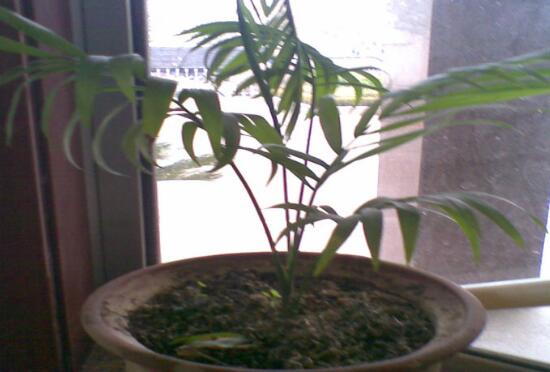
There are mainly two reasons for Podocarpus macrophyllus root rot: excessive watering and pests or diseases. If root rot is caused by excessive watering, promptly remove the plant from the pot, then cut off the rotten roots, and replant it in fresh soil; if it is affected by pests or diseases, determine the specific pest and disease, and then spray accordingly.
II. Causes of Podocarpus macrophyllus root rot and solutions
(1) Signs of Podocarpus macrophyllus root rot
When cultivating Podocarpus macrophyllus, observe it in real time and detect root rot promptly. As for the signs of Podocarpus macrophyllus root rot, they are actually easy to judge: a normal Podocarpus macrophyllus looks vigorous, while if root rot occurs it looks droopy and lacks vitality.
(2) Causes of Podocarpus macrophyllus root rot
1. Excessive watering
When it comes to the causes of Podocarpus macrophyllus root rot, the first thing to consider is the water issue. Podocarpus macrophyllus likes a humid environment and needs sufficient water during growth, but this does not mean it is not afraid of water. Once watered too much, water accumulates in the pot, which easily causes root rot.
2. Pests and diseases
In addition to overwatering, Podocarpus macrophyllus root rot may also be caused by insect pests or disease. It is understood that once Podocarpus macrophyllus is infected by pests or diseases, its roots may develop problems.
(3) Solutions for Podocarpus macrophyllus root rot
1. Reasonable watering
When caring for Podocarpus macrophyllus, follow the principle of “water when dry, water thoroughly when watering”, and keep the potting soil slightly moist; do not overwater. Once overwatering causes root rot, promptly remove the plant from the pot, cut off the rotten roots, and replant it in a new pot and soil.
2. Spraying medicinal solution
If Podocarpus macrophyllus root rot is caused by pests or diseases, this is actually not very common, because pests and diseases of Podocarpus macrophyllus generally affect the leaves. If a situation harmful to the roots occurs, promptly identify the pest, then buy a specialized medicinal solution for spraying.
What to do when Podocarpus macrophyllus root rot occurs
Causes of root rot
Too much water
The most likely cause is overwatering. Readers generally have this experience: because they love the plants they grow very much and naturally treat them as treasures, they are always afraid of not caring for them well, for example fearing they do not have enough water, so it is very easy for overwatering to occur. First of all, we should understand that insufficient watering is bad, and overwatering will also endanger plant health. That is because if there is too much water in the soil, air will correspondingly decrease, and for a plant to grow, its roots must carry out respiration. With less air, over time the roots cannot breathe normally and root rot may occur. This is because some organisms present in the water are harmful to them.
Disease occurs
The second possible cause is that the plant has suffered from pests or diseases, which gradually harm the roots.
Signs of root rot
Generally speaking, a normal plant stands very upright and vigorous, while one with signs of root rot or already slightly symptomatic appears droopy and lacks vitality.
How to prevent and control
For the first cause, that is scientific watering. Needless to say, although this plant prefers moisture, it is afraid of waterlogging, so the amount of watering must be strictly controlled. Generally, in spring and summer water a little more, just enough to keep the potting soil from drying out. From late autumn to winter, the amount and frequency must be strictly regulated.
The second situation is caused by pests or diseases, which is not very common, because pests and diseases of Podocarpus macrophyllus generally affect the leaves. If this occasional situation occurs, it is also relatively easy to handle; just buy a specialized pesticide.
Key points and precautions for the care and management of home bonsai
How to grow bonsai well at home and its care and management
I. Analysis of placement environment:
(1) First determine what kind of bonsai to grow according to the objective environmental conditions at home? Villas or courtyards can grow large, medium and small bonsai. Due to improved living standards and changes in today's living environment, most people grow bonsai on building balconies. Personally, I suggest that balconies are better for growing small or miniature bonsai. For growing bonsai on indoor balconies, one should fully understand and make use of the environmental characteristics of the balcony placement site:
① Balcony orientation and sunshine duration vary greatly. Generally, a south-facing balcony is better for growing bonsai, with strong sunlight and long light exposure.
East- or west-facing balconies only have direct light in the morning or afternoon, and sunlight can shine for at most 3 to 4 hours a day.
But west-facing balconies have strong afternoon sun in summer, so summer shading and ventilation must be done well (commonly known as the western mountain sun). North-facing balconies have no direct light all day (it is recommended to grow some shade-loving bonsai).
② The temperature around the balcony differs greatly from the ground temperature. Because the balcony's cement or tile floor and walls easily absorb solar radiant heat, the daytime temperature is higher than the ground temperature (summer shading and ventilation work must be done promptly). When the nighttime temperature drops, the balcony's cement or tile floor and walls easily release heat again. According to tests, the temperature at this time is more than 2°C higher than the ground.
③ The air around the balcony is relatively dry. High-altitude winds are strong, so the air is necessarily drier than at ground level. Balconies with different orientations differ in light, temperature and humidity, with great differences, especially great differences in light duration. We should choose suitable bonsai plants to grow according to the specific conditions of our own balcony.
1. If sunlight is sufficient: it is recommended to choose sun-loving and flowering or fruiting bonsai, such as Scotch broom, hawthorn, Sabina chinensis, boxwood, mulberry, ginkgo, golden larch, Chinese elm, pomegranate, tamarisk, Fujian tea, orange jasmine, etc.;
2. If light is insufficient: it is recommended to choose plant bonsai with a certain degree of shade tolerance, such as Serissa japonica, Chinese wolfberry, banana shrub, five-needle pine, trident maple, Buddhist pine, palm grass, star jasmine, nandina, Chinese yew, Sageretia thea, Podocarpus macrophyllus, tree of heaven, and Sabina procumbens, etc.
3. If the family home has no balcony or there is basically no direct light in the living room: the living environment is relatively poor, and when it is difficult to grow tree bonsai, one should focus on making and caring for landscape bonsai. This is because the moss on landscape bonsai can grow as long as there is scattered light; it changes little across spring, summer, autumn and winter, and has a poetic and picturesque quality. It also has a very good ornamental effect when displayed indoors.
4. If the family's economic conditions are good and there is a courtyard, a large open-air balcony, or a detached house with a very spacious yard, a small greenhouse can be built on site according to the situation. In this case, light-loving, shade-loving and semi-shade-loving bonsai plants can all be grown.
(2) It is necessary to grow suitable bonsai according to one's specific circumstances. The above briefly introduced the relationship between environmental conditions and the selection of bonsai plants. The final decision on what bonsai to grow must also be based on personal preference; personal cultivation and management skill level; and whether the individual has spare time for careful care and management, among other comprehensive considerations. Bonsai materials should be selected according to personal preference and management conditions. Because everyone's hobbies and aesthetic views differ, people do not necessarily have the same evaluation of a certain plant, so the choice of bonsai plants varies from person to person. When choosing bonsai plants, consider whether the habits of the selected plant are suitable for the existing environment, and also consider the individual's cultivation and management skill level:
If a bonsai hobbyist has relatively high shaping skills and rich experience in care and management, then bonsai materials with relatively high cultivation and management requirements can be chosen, such as Japanese black pine, five-needle pine, Sabina chinensis, boxwood, plum blossom, etc.;
If one's management level is average, bonsai materials that are extensively managed and highly adaptable should be chosen, such as Chinese wolfberry, Scotch broom, Serissa japonica, winter jasmine, Elaeagnus pungens, tamarisk, Chinese hackberry, elm, etc.
For bonsai friends who are just starting with miniature bonsai and have no foundation at all, it is recommended to grow miniature bonsai that are easy to keep alive, such as pomegranate, Scotch broom, Serissa japonica, winter jasmine, elm, rue, etc.
II. Sources of bonsai and key factors for growing miniature bonsai well:
1. Bonsai generally can be purchased or collected from the wild. For beginners, it is advisable to buy some semi-finished products. Of course, those with money can do as they please and can buy finished or fine products (for purchasing finished products, it is recommended to start with the following selection: one root, two trunks, three branches, four crowns, which determine the appearance of the miniature bonsai, and observe the health of the trunk, branches and leaf surfaces). Because semi-finished products have already been cared for and managed for a period, are basically shaped and have settled into the pot, (after purchase, learn about their habits online according to the bonsai name) they are not easy to kill, and you can adjust the shape according to your own preferences on the original styling. In the short term, you can see the bonsai extend branches, spread leaves, bloom and bear fruit, increasing the fun, sense of achievement and confidence of beginning bonsai players.
2. Caring for and managing miniature bonsai not only requires timely adjustment of their shape but also promoting normal growth. Because miniature bonsai have small pots and little soil, they truly test the care and management skill level of bonsai players. For example, in hot summer, watering and spraying must be done 2 to 3 times a day so that the plant's branches and leaves do not wilt. If an individual does not have much spare time and cannot manage carefully, it is very easy to cause the plant to dry up and die. The solution is to choose tree species with strong adaptability and appropriately choose deeper pots or sand troughs or large purple clay pots for double-pot cultivation.
Watering takes three years to master; watering is key to doing bonsai well, and is one of the most important and most frequent measures in bonsai care and management. When a tree stump is planted in a pot, whether a deep pot or a shallow pot, the soil is always limited, and the water it contains is also limited. If water is not added for a long time, the tree stump will wither due to lack of water. Therefore, observe promptly and water according to the dryness and moisture of the soil to maintain soil moisture. Of course, watering must not be excessive. If watering is excessive and the potting soil remains wet for a long time, it easily causes root oxygen deficiency and rot; at the same time, the amount of watering also depends on the specific tree species, seasonal changes, and whether the weather is cold or warm. Generally speaking, in summer or during drought, it is best to water once in the morning and once in the evening; in spring and autumn, water once a day or every other day; in spring when tree stumps begin to sprout, you may also water once in the morning and once in the evening depending on the situation. During the plum rain season or on rainy days, watering is not needed, and attention should be paid to drainage. Sandy soil can be watered more, while clayey soil should be watered less. Watering can be done by spraying the leaf surface or by watering the roots. Generally, the two are combined: first spray the leaf surface, then water the roots thoroughly. Be careful not to give “half water” and cause the phenomenon of a wet pot surface but dry inside the pot. Also, leaf spraying must not be excessive, as it easily causes excessive growth of branches and leaves. Below is a brief discussion of the key factors for growing miniature bonsai well:
1. Water is one of the key factors:
“Frequent watering” - water and soil are inseparable; “diligence” - too much water is all for nothing.
(1) Water quality is crucial for growing bonsai well. It is recommended to use rainwater, pond water, or tap water that has been left to stand. Before watering, first understand and confirm whether the water quality is suitable for watering.
(2) Water must be appropriate. Lack of water in miniature bonsai easily causes leaves to scorch yellow and affects plant growth; severe lack of water causes miniature bonsai plants to dry up and die. But too much watering easily causes root rot, so watering must be appropriate [“too much watering” generally refers to: continuously watering for several days when the potting soil is not dry, or watering multiple times every day. Under normal circumstances, the main reason miniature bonsai are killed is: drowned by too much water]. If you want to care for miniature bonsai well, personally I think the first step is to look up the habits of the miniature bonsai according to its variety name, first keep it alive, then shape it; the premise is to ensure the miniature bonsai stays alive, and the premise for the miniature bonsai staying alive is to master the "six observations" and "one principle" of miniature bonsai watering.
First, observe the plant's habits.
Second, observe the pot used for the plant.
Third, observe the soil used for the bonsai.
Fourth, observe the plant's leaves.
Fifth, observe the growing season.
Sixth, observe the weather of the day.
One principle: [Water thoroughly when dry, do not water when not dry].
Articles about watering miniature bonsai have been published before, so I will not elaborate further here. Bonsai friends may refer in detail to the article in the China Miniature Bonsai official account, "Miniature Bonsai Watering, How to Water? When to Water? And Precautions."
If bonsai friends master the above basic principles of watering, then try, observe, experience and summarize attentively, I believe they will certainly be able to grow miniature bonsai well, enjoy watching miniature bonsai extend branches, spread leaves, bloom and bear fruit, cultivate their temperament, and at the same time harvest the joy of success.
2. Potting soil is one of the key leading factors:
If the potting soil is well mixed, the miniature bonsai grows well.
Water and soil are the source of life for all things. Soil plays a leading role in the growth of miniature bonsai. According to different varieties of miniature bonsai, it is recommended to use different soils for care (the PH value of the soil, commonly known as the acidity and alkalinity of the potting soil). As said before, after buying a miniature bonsai, do not blindly care for and manage it first; first consult relevant materials and fully understand its habits before you can grow the miniature bonsai well. There have also been articles introducing this in detail before, so I will not elaborate much here. Bonsai friends, please refer in detail to the official account: zgwxpjw, "Benefits of Repotting and Changing Soil and Precautions for Repotting Miniature Bonsai."
3. Placement environment is one of the key leading factors:
Whether the placement environment is good or poor affects the plant's quality. Placement environment refers to: placement location, ventilation, light, humidity, protection, etc. The placement environment also plays one of the leading factors for miniature bonsai. A good environment is more conducive to the growth of miniature bonsai. Miniature bonsai are often displayed indoors, and if they do not see sunlight for a long time, it easily leads to poor growth and development or plant disease. It is recommended to give appropriate light. Therefore, in the spring and summer growing seasons, it is recommended that the time placed indoors generally not exceed one week. At other times, it is better to keep them outdoors under semi-shade environmental conditions for care, and appropriately rotate the light-facing side of the miniature bonsai plants.
4. Fertilizer is one of the leading factors:
With little fertilizer, the color is pale and lusterless; with too much fertilizer, the plant suffers.
Fertilizer must be appropriate. Excessive fertilization can cause leggy growth of small branches, and in severe cases can also affect the growth of miniature bonsai plants. If not promptly flushed with water or repotted, it can likewise cause the death of miniature bonsai plants. Fertilize appropriately according to the season and different plants. It is recommended to “apply thin fertilizer frequently.” If there is a severe lack of fertilizer, the leaves of the miniature bonsai will be poor, pale and lusterless. Over time, although the miniature bonsai may not die, the plant will appear sickly and its appearance will be poor.
5. Pruning is one of the leading factors:
Pruning out of season and failing to treat the wound after pruning leads to the death of the miniature bonsai. Prune and remove buds promptly; newly grown long branches should be cut short in time to maintain an appropriate proportion with the trunk; repot once every 1 to 2 years. For deciduous types, do it before budding in early spring; for evergreen types, do it after budding in spring or when it is cool in autumn; for the miniature crown, fewer branch clusters should be retained so as to reveal as much of the trunk's graceful posture as possible, and the retained branch clusters should be appropriately shortened to make their proportion with the trunk appropriate.
6. Pest and disease control is one of the leading factors:
If pest and disease control is not timely, in mild cases it affects appearance, and in severe cases it leads to the death of the miniature bonsai. Prevent and control pests and diseases in time. When various leaf spot diseases, aphids, red spiders, scale insects and other pest or disease damage are found, apply the right remedy and immediately remove them manually or spray for control.
7. Daily management is one of the leading factors:
Details absolutely determine success or failure. Observe frequently, prevent and control promptly, and summarize more. Such as summer shading, watering time, water treatment, padding under the pot, spraying frequency, sand trough care, and so on; for example: to prevent leaves from turning yellow and falling off (because miniature bonsai have small pots and little soil), in summer water is often in short supply, so leaf scorching and yellowing and falling off easily occur. To avoid yellowing and falling leaves, in addition to leaving a rim when potting, paying frequent attention to watering and spraying in hot summer, if care conditions permit, they can be placed in sand troughs or in large pots on an indoor balcony for care. If care conditions do not permit, the method to water the miniature bonsai thoroughly is: place the miniature bonsai in a household basin, with water stored higher than the rim of the miniature bonsai pot [after bubbling stops, take it out after more than ten seconds, or place a brick in a shallow water pool, add water until it just submerges the brick surface, then place the small bonsai on the brick for cultivation].