-
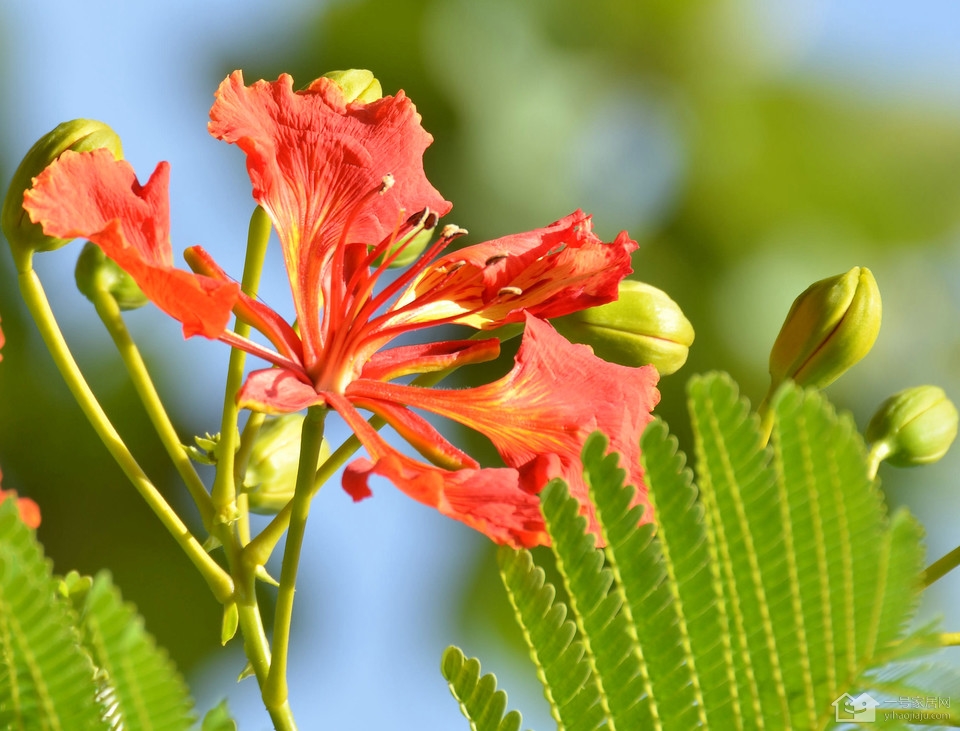
How to Grow the Flame Tree (Delonix regia)? A Detailed Guide to Its Cultivation Methods
The flame tree (Delonix regia) is native to the tropics and naturally loves hot, humid environments. The temperature range best suited to its growth is 20-30°C, which is why late spring to early summer and autumn are its most vigorous growing seasons in China. The flame tree is not cold-tolerant, so plants grown in the open need to be protected from the cold in winter.
-
How to grow the Flame Tree? A detailed guide to its cultivation methods
The Flame Tree is native to the tropics and by nature loves hot and humid environments. The temperature range most suitable for its growth is 20-30°C, which is why late spring to early summer and autumn are its most vigorous growing seasons in China. The Flame Tree is not cold-tolerant, so plants grown in the open need to be protected from the cold in winter.
-

Key Cultivation and Management Techniques for Crocosmia (Flame Lily)
Crocosmia (Flame Lily) Scientific name: Crocosmia crocosmiflora. Alias: Xionghuang Orchid. Family and genus: Iridaceae, Crocosmia. Morphological characteristics: The corm is flat and round, resembling a water chestnut; the plant height is about 50 cm; the leaves are linear and sword-shaped, with leaf sheaths at the base that clasp the stem.
-
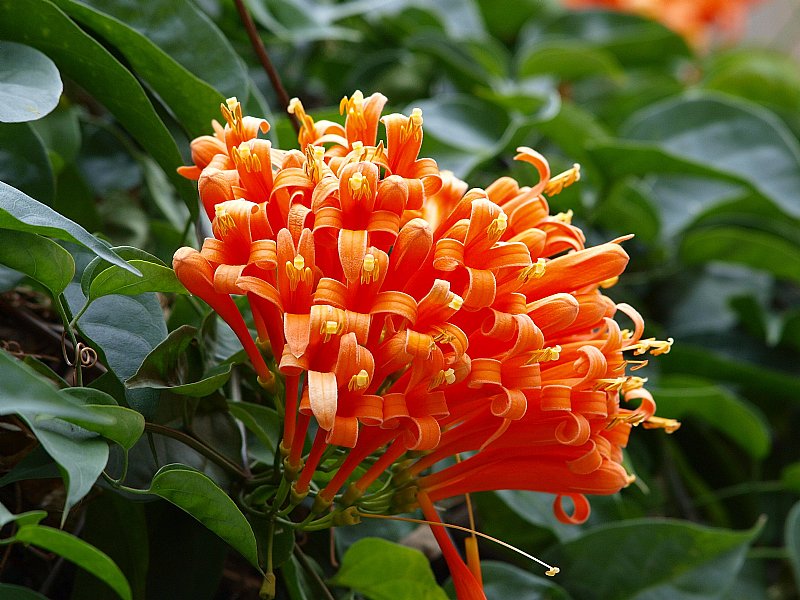
How to grow flame vine? Detailed guide to cultivation methods and precautions
Layering propagation or cutting propagation. Layering propagation can be done in spring or summer; roots begin to form in about 1 month, and in about 3 months it can be separated from the mother plant and transplanted. Cutting propagation is also carried out in spring and summer. For the cultivation site, choose a spot with ample sunlight and cool, breezy ventilation. Flame vine is not demanding about soil
-
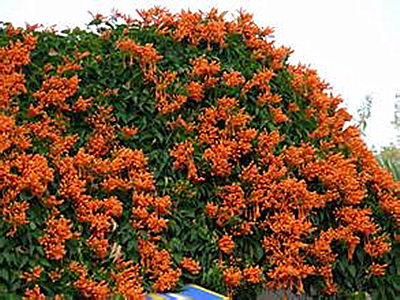
A Detailed Guide to the Correct and Scientific Propagation Methods for the Flame Vine
The flame vine (Pyrostegia venusta) is propagated mainly by cuttings, generally after flowering in spring and summer, and under greenhouse conditions it can be done year-round. For spring cuttings, roots usually begin to form about 3 weeks after insertion. If spring cuttings are planted promptly and given careful tending, they can bloom in the same year. For the cuttings, choose robust, pest-free and disease-free branches.
-
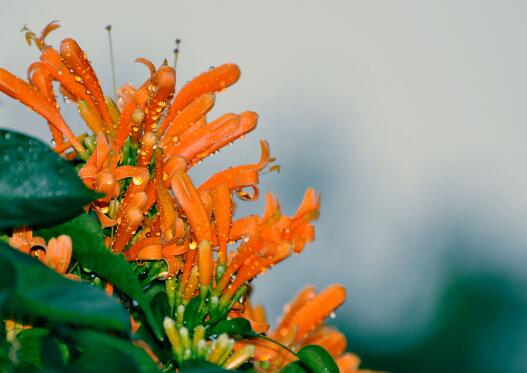
Does the flame vine get pests? Control methods for 2 pests and 2 diseases
During the growth of the flame vine, the problem people fear most is pests and diseases. Such problems are extremely harmful to the plant, not only greatly affecting its ornamental value, but if not dealt with in time, they can also cause the plant to wither. Does the flame vine get pests? How do you control pests and diseases on the flame vine?
-
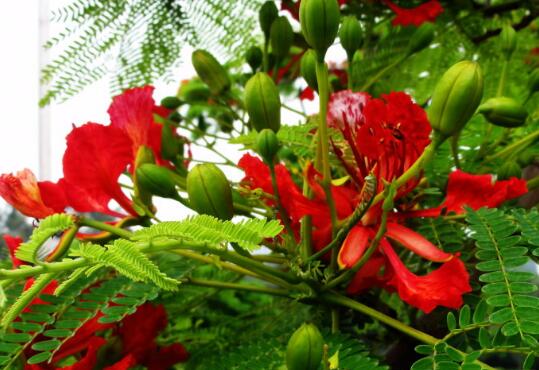
How does the flame tree propagate? Mainly by seed propagation
The flame tree (Delonix regia) is a fairly common flowering plant in people's daily lives, with high ornamental value, and many people grow it in various places. As more people grow it, questions about its propagation have also drawn concern. How does the flame tree propagate? What are the propagation methods of the flame tree
-
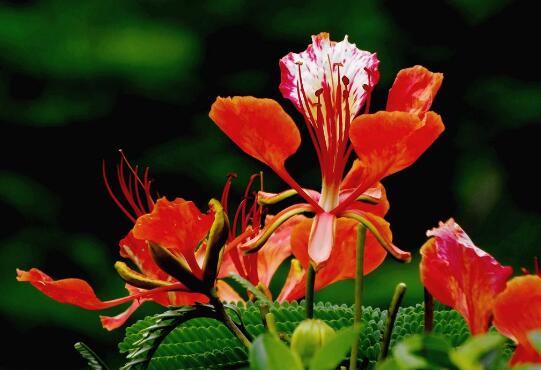
Cultivation methods and precautions for the Flame Tree: it needs plenty of light
The Flame Tree, also known as Flamboyant, is a plant in the legume family, and it can be seen in many regions of our country. However, if we want to grow it well, there are many things we need to pay attention to. How do you grow a Flame Tree? What are the cultivation methods and precautions for the Flame Tree? Below, the editor will walk everyone through it.
-
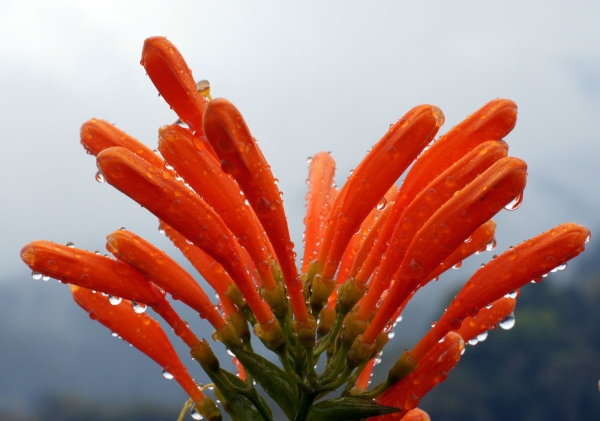
How to grow Pyrostegia venusta (flame vine)? Teaching you the correct care methods
Fertilizing: During the peak blooming season of Pyrostegia venusta, pay attention to adding fertilizer and water for the flowers. Generally, during the growth period, Pyrostegia venusta needs 1 topdressing per month. Watering: When Pyrostegia venusta is blooming, the soil should be kept moist. When the soil becomes dry, water it promptly.
-
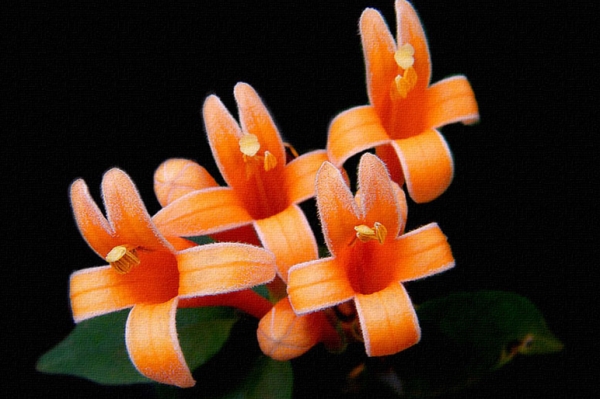
How do you care for a flame vine? What are the precautions for growing a flame vine?
Flame vine loves light and is not cold-tolerant, so when propagating we choose spring, when the temperature is relatively stable, and a soil temperature in the seedbed about 3-5°C higher than the air temperature is more favorable for rooting. In summer, when it is hot, we should use a double layer of shade netting for shading, and about 2 weeks after inserting the cuttings one layer of netting can be removed.
条件筛选