-
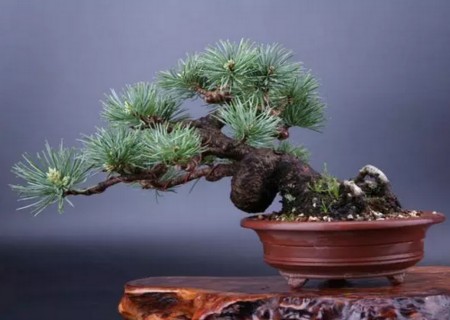
How to Fertilize Five-Needle Pine Bonsai? Detailed Methods and Tips
This tree species is one of the more precious among five-needle pines, generally used as bonsai material, rarely grown in the ground. Five-needle pine has low fertilizer requirements, and fertilization should not be excessive or too concentrated. Too much fertilizer will cause leggy shoot growth and longer needles, detracting from its ornamental value. Five-needle pine is relatively cold-tolerant and shade-tolerant, preferring well-drained, slightly acidic soil
-
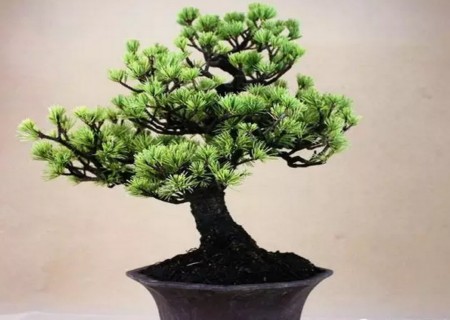
How should you water a five-needle pine bonsai? Practical watering tips shared
The five-needle pine has an upright posture and is a tree species with high ornamental value. It is suitable both for decorating gardens and as an important species for potted plants or bonsai. In bonsai making, the tree's posture must be maintained well and the growth of branches and leaves controlled, so as to achieve a shape with short, dense and vigorous branches and leaves. Today the editor will introduce the watering techniques for five-needle pine bonsai.
-
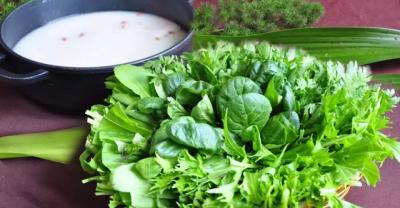
How do you plant narcissus bulbs? Just remember these five key tips and you are all set
I know many of you grow your own narcissus bulbs, but a lot of you just take the narcissus bulbs you bought and put them straight into water culture. Of course, what we are mainly talking about here is also...
-
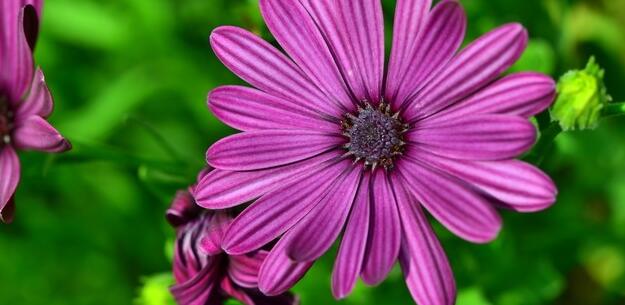
How to grow blue-eyed daisies? Five care tips to keep in mind
How to grow blue-eyed daisies? The blue-eyed daisy is a wonderful ornamental flower, and growing it takes some skill. So how do you grow blue-eyed daisies? Let's take a look below at the key points for growing blue-eyed daisies. About the blue-eyed daisy: The blue-eyed daisy is also known as the African daisy and the large-flowered blue-eyed daisy. It is native to South Africa and is not cold-hardy. It dislikes heat
-
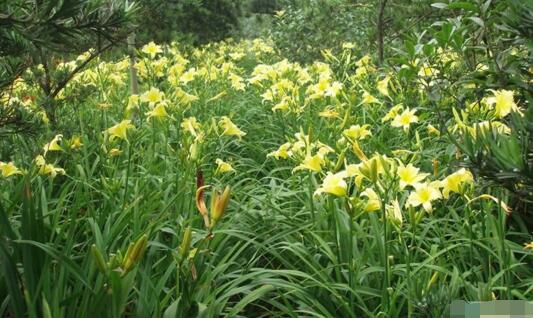
Five watering tips for daylilies: water only when dry for good growth
When growing many plants, proper watering is always necessary, and daylilies are certainly no exception. Too little water makes the plants weak and slow-growing, while too much water causes root rot. So how should daylilies be watered? Let me give you the answer. How to water daylilies: after sprouting in spring
-
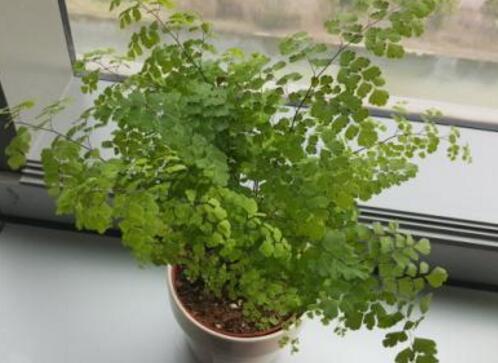
What to Do When Maidenhair Fern Leaves Turn Yellow? Five Tips to Help You Deal With It Effectively
The maidenhair fern (Adiantum) is a common indoor foliage plant because it is easy to grow and highly adaptable. However, during care and management, some flower enthusiasts run into the problem of yellowing leaves, which not only ruins the maidenhair fern's ornamental value but may also cause the whole plant to weaken, wither, and even die, leaving growers very distressed.
-
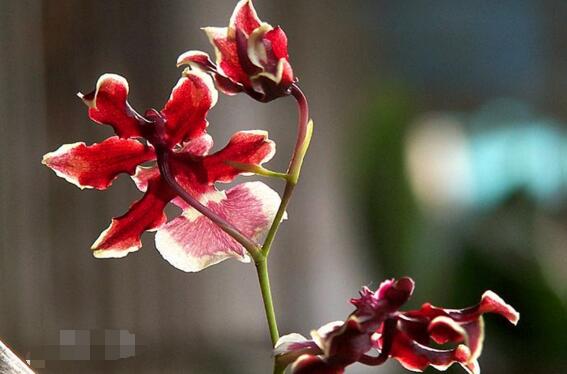
How to Grow Oncidium 'Sharry Baby': Five Tips to Extend the Blooming Period
Oncidium 'Sharry Baby' is a plant of the Orchidaceae family, Oncidium genus. It is native to Central and South America, and is much loved for its good branching, elegant flowers and vivid colors. It is grown in Zhejiang and other places in China, and because of its distinctive lip color it has become one of the most popular types of exotic orchids in recent years.
-
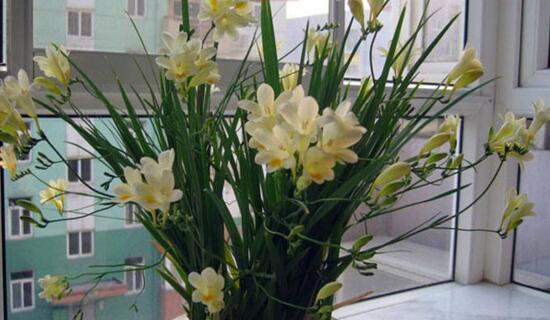
How to grow potted ginger lily? Master five cultivation tips and it will fill the pot
Ginger lily not only has beautiful flowers, it also has high edible and medicinal value. Many flower lovers choose to grow it precisely because ginger lily has so many benefits and uses. However, before growing it, you need to have some understanding of its cultivation techniques. So how do you grow potted ginger lily? Let's take a look at the cultivation methods for ginger lily
-
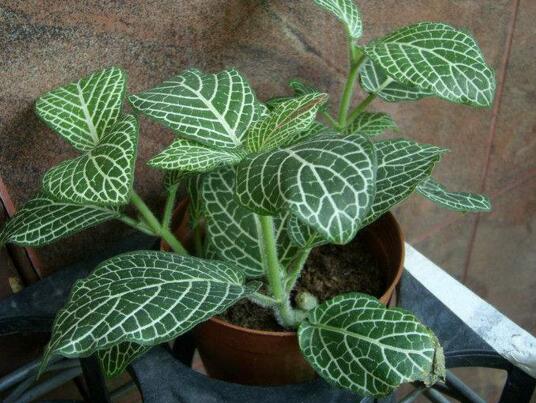
Five Common Pests and Diseases of Nerve Plant: Control Techniques and Prevention Tips
Nerve plant has lush leaves. If the growing environment is relatively harsh, pests and diseases may appear. This is even more frightening than careless care, because pests and diseases can take the life of the nerve plant. So what should you do when the nerve plant gets bugs? Let's look at common methods for controlling nerve plant pests and diseases.
-
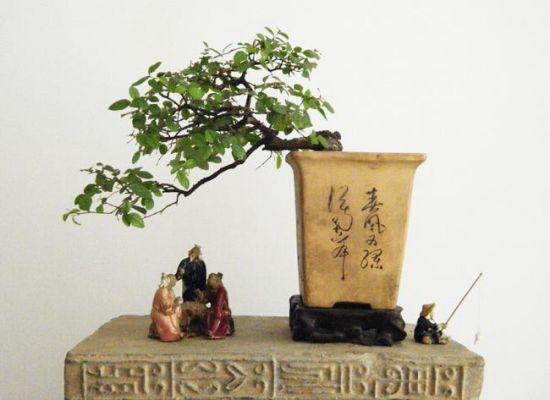
How to grow Sageretia thea (Chinese sweet plum)? Master these five key care tips
Water: There is a bit of finesse to the water used for Sageretia thea care. Natural water such as river water, pond water and rainwater is best. If using tap water, it should be stored for one or two days so the chlorine can evaporate. Water left over from washing clothes, and water containing grease or salt, must never be used. Fertilizing: Sageretia thea should be fertilized in moderation; too much fertilizer makes the branches and leaves grow excessively.
条件筛选