-
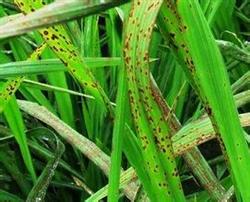
Identifying Zinc Deficiency Symptoms in Rice and Techniques for Skillfully Applying Zinc Fertilizer in Paddy Fields
Zinc is one of the essential trace elements for the growth and development of rice. Zinc deficiency in rice shows obvious symptoms. When rice is deficient in zinc, chlorotic yellow-white spots first appear in the midrib area of the lower leaves, with reddish-brown spots and irregular patches forming on them, which then gradually expand into reddish-brown streaks, turning reddish-brown and drying from the leaf tip downward, and from...
-
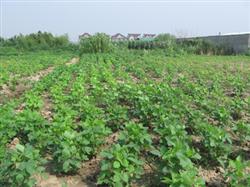
Correct methods for using herbicides in soybean fields
When choosing herbicide varieties for soybean fields, safety to the crop and low risk of herbicide injury come first; the second consideration is the control effect on weeds, that is, the control effect must be good. Under the condition of good control effect, choose varieties with lower drug costs as much as possible. The weeds in soybean fields fall into two major categories: grass weeds and broadleaf weeds. Grass weeds...
-
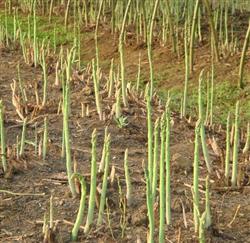
Detailed Explanation of Chemical Weed Control Techniques in Asparagus Fields
Asparagus has wide row spacing and is prone to weed growth. During the white asparagus harvest period, ridges are formed, the spears do not emerge from the ground, and chemical weed control is also difficult to implement. The main weeds in asparagus fields include lamb's quarters (goosefoot), field bindweed, purple nutsedge (three-square grass), thistle, crabgrass, barnyardgrass, and green foxtail. During the spring harvest period, contact herbicides are mostly used...
-
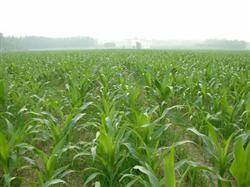
Why should weeds in summer corn fields be cleared as early as possible?
Weeds in corn fields grow fast and concentrated. When soil moisture is good, about 10 days after sowing, weed emergence reaches its peak, and after 15 days the emergence rate reaches about 90%; if there is rainfall or watering, a small emergence peak appears in 4 days. When subjected to weed damage at the seedling stage, plants appear short, with thin stalks and yellow leaves, which also aggravates the occurrence and damage of diseases and pests in corn fields,...
-
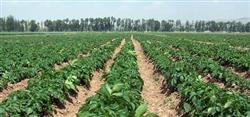
How to control broadleaf weeds in potato fields
It is currently the season for harvesting no-till potatoes in Guangxi. At the no-till potato base in Baqiao Village, Shuangqiao Town, Wuming County, Guangxi, on-site yield measurement showed that the average yield of no-till potatoes reached 25 sha-kilograms per mu, more than 1.5 times the national average potato yield per mu. Renowned potato expert Sun Huisheng said that Guangxi's rice-straw-mulched no-till cultivation...
-
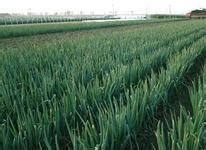
Key Points of Pollution-Free Pest Control Techniques in Welsh Onion Fields
I. Onion thrips, also known as small white insect or tobacco thrips. Adults and nymphs use their rasping-sucking mouthparts to suck sap from within the leaves, causing many fine, dense, long yellowish-white spots to form on the onion leaves. In severe cases, the leaves turn yellow and white, twist, die, and droop, seriously affecting the yield and quality of welsh onion. 1. Occurrence pattern. Onion thrips...
-
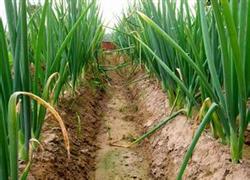
Key Winter Management Techniques for Intercropping Welsh Onions in Wheat Fields
In early autumn the weather turns cool and the onions begin vigorous growth, but the temperature is still relatively high and the plants grow slowly. Their water demand is not high, so they should be watered sparingly. Watering should be done in the morning and evening; never water at noon, as this suddenly lowers the soil temperature and affects root growth. In late August, when the average temperature in North China is below 24°C, Welsh onions...
-

The Chinese lantern plant is very common in wild fields, but now it has become a high-end fruit.
Summary: The childhood snack of rural children - the Chinese lantern fruit (Physalis), now priced on par with imported fruit. The Chinese lantern plant is called "little girl fruit" in our area. When we were kids, there were plenty of these wild fruits in the fields, and we often picked them to eat. But the most delicious ones...
-

Practical Methods and Technical Key Points for Weed Control in Wheat Fields
Methods of Weed Control in Wheat Fields
-
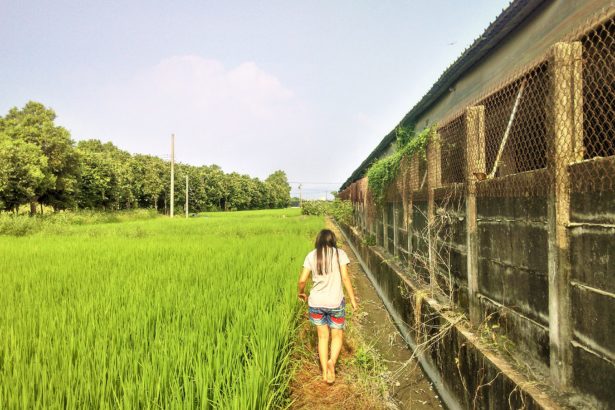
Young Farmer 03: Pausing World-Weariness in the Fields
Young Farmer: Pausing World-Weariness | 03 Fields
条件筛选