-
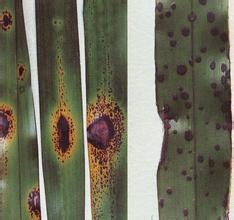
What are the symptoms of orchid round leaf spot? The prevention and control methods explained in one article
Leaf spot is a common leaf disease of orchids, found in Fujian, Jiangsu, Zhejiang, Shanghai, Nanjing and other places. Symptoms: The disease mainly affects the leaves. In the early stage, small brown spots appear on the leaves and rapidly expand into round patches, relatively wide, with a light brown center, and yellow small protrusions growing on both the front and back sides, occurring on the upper...
-
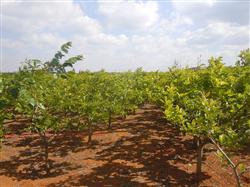
How to grow sweet persimmons for high yields? Key techniques explained
How can sweet persimmons be grown for high yields? Please provide guidance. The sweet persimmon growing method can refer to the following: 1. Environmental requirements. Sweet persimmons can be grown in areas with an annual average temperature of 13-18°C; an average temperature of 18-19°C during the fruit ripening period from June to August (in Shilin County they are distributed at an altitude of 1600-1900 m); sunshine hours of more than 1400 hours from February to August...
-
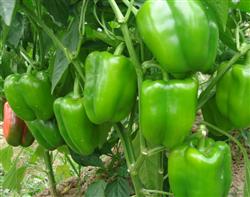
How to manage bell peppers during the color-changing stage? Key technical points explained in detail
How should bell peppers be managed during the color-changing stage? Please give guidance. Bell pepper management during the color-changing stage can refer to the following methods: First, pay attention to ensuring a reasonable temperature. Bell peppers have relatively strict temperature requirements during the color-changing stage. When the daytime greenhouse temperature is 28-30°C, it is most favorable for bell pepper color change. However, recently the temperature inside the greenhouse has often exceeded 40°C, causing bell...
-
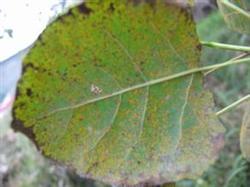
Identification and Control Methods of Poplar Black Spot Disease Explained in Detail
Poplar black spot disease, also known as poplar brown spot disease, is caused by a pathogen that can infect many species of poplar. Seedlings, young trees and mature trees can all be affected. When the disease is severe, it affects the normal growth of the trees and causes economic losses. Symptoms: it generally occurs on young leaves, shoot tips and fruit clusters, spreading from top to bottom, mainly damaging leaves. When the disease starts...
-
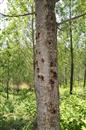
Key Points and Methods of Poplar Fertilization Techniques Explained
Poplar canker (rot disease) mainly occurs on the trunk and branches of poplar trees. After the disease develops, the cortical tissue of the trunk and branches rots, loses water, sinks, and cracks, with a smell of distillers' grains. When the diseased area encircles the trunk or branch completely, the entire upper part dies. The disease occurs twice a year, and when the temperature is above 7°C, ...
-
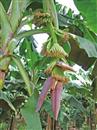
How to Manage Bananas During the Bunch Emergence Stage? Key Technical Points Explained
How to manage bananas well during the bunch emergence stage? Please introduce the management methods. July to August is the bunch emergence stage for ratoon and autumn-planted bananas, a period when vegetative and reproductive growth coexist. To improve banana yield and quality, attention should be paid to managing every aspect of the banana bunch emergence stage. Reference management methods are as follows: 1. Timely apply...
-
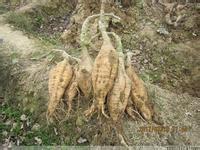
Characteristics and Artificial Cultivation Techniques of Wild Kudzu Root Explained
I. Characteristics. Kudzu root has strong adaptability, does not demand strict climate or geographical conditions, and is easy to cultivate. It is suited to a warm and humid growing environment. Kudzu root likes warmth and tolerates heat; when the average daily temperature reaches about 12°C, it begins to sprout; the suitable average daily temperature for growth is 20-33°C; 25-30°C is suitable for tuberous root formation, and 15-20°C is suitable for tuberous root...
-
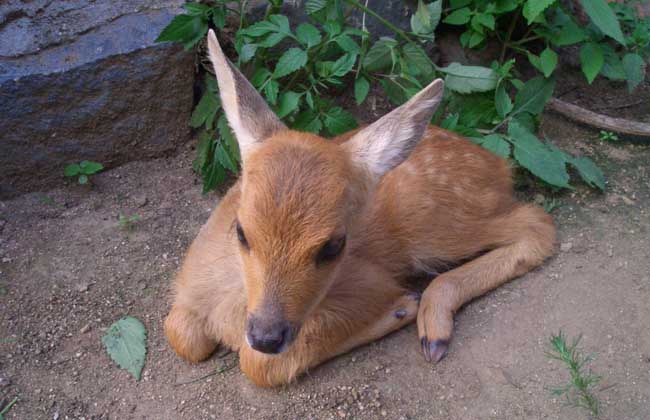
Roe Deer Farming Techniques and Market Prices Explained
Roe Deer Farming Techniques_Roe Deer Market Prices
-
-
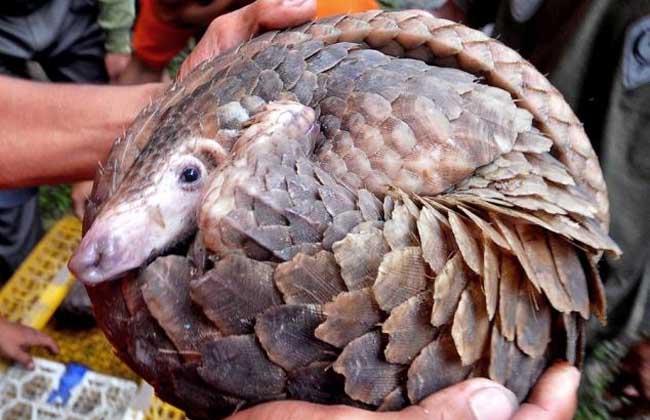
Pangolin: Benefits and Uses, Scale Prices and Breeding Techniques Explained
Pangolin Benefits and Uses_ Pangolin Scale Prices_ Pangolin Breeding Techniques
条件筛选