How to Manage Bananas During the Bunch Emergence Stage? Key Technical Points Explained
How to manage bananas well during the bunch emergence stage? Please introduce the management methods. July to August is the bunch emergence stage for ratoon and autumn-planted bananas, a period when vegetative and reproductive growth coexist. To improve banana yield and quality, attention should be paid to managing every aspect of the banana bunch emergence stage. Reference management methods are as follows: 1. Timely apply...
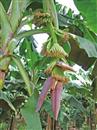
How to manage bananas well during the bunch emergence stage? Please introduce the management methods
July to August is the bunch emergence stage for ratoon and autumn-planted bananas, a period when vegetative and reproductive growth coexist. To improve banana yield and quality, attention should be paid to managing every aspect of the banana bunch emergence stage. Reference management methods are as follows:
1. Timely apply one heavy fertilizer application. When bananas enter the flower bud differentiation stage, this is the key period that determines the number of fruit hands and the number of fingers, so one heavy fertilizer application should be applied in time. That is, when the banana leaves have emerged to the opposite-leaf stage, apply 30-40 kg of farmyard manure, 3-5 kg of manure, 0.3 kg of peanut bran or 0.2-0.3 kg of compound fertilizer per plant, spread evenly on the bed surface after loosening the soil, and cover with a thin layer of soil afterward. Before the banana bunch emerges, apply one pre-flowering fertilizer, with 50 g of urea, 50 g of potash fertilizer, or 200 g of compound fertilizer, or 250 g of decomposed peanut bran per plant, diluted with water and drenched on. After the bunch emerges, when the banana bunch is cut, apply another 150 g of compound fertilizer per plant, combined with farmyard manure water drenched on. In addition, apply a foliar spray once every 10-15 days, using 1000-fold rare earth multi-element foliar fertilizer or 0.2% monopotassium phosphate, to delay premature leaf senescence and promote young fruit development.
2. Adjusting the bunch. After the flower bud emerges, some leaves may hinder it from hanging down, so they should be pushed aside to prevent the entire flower bud from breaking off. During fruit development, leaves that obstruct finger growth should also be moved aside or cut off.
3. Remove unwanted suckers. Continue removing unwanted suckers to concentrate nutrients for banana bunch emergence. When the flower bud appears, inspect the banana plants and move aside leaves blocking the banana bunch from hanging naturally, to prevent deformed fruit hands or banana leaves scratching the fruit and affecting appearance. About 10 days after bunch emergence, when the banana bud has produced its last hand of female flowers with only 5-8 flowers remaining, select a sunny noon on the next hand to cut the bunch. From bud emergence to bunch cutting takes 15 days in summer and about 22 days in winter. When keeping 7 hands of fruit, cut off the 8th-9th fingers when the female flowers reach the 9th hand, and only cut the bunch two days later, to avoid affecting the upward curving of the fingers, especially when the bunch emerges in winter and spring when female flower numbers are fewer. In addition, there are measures such as fruit thinning, pesticide spraying, bagging and leaf protection. After cutting the bunch, wait until the sap stops flowing from the wound on the banana stalk, then apply 400-fold carbendazim or Miebingwei to the wound to prevent pathogen infection.
4. Pay attention to waterlogging, drought and wind protection. During banana bunch emergence, water requirements are stricter; the soil should be moist, but overly wet soil is also feared. On rainy days, avoid water accumulation in the furrows to prevent root rot; during drought, maintain a shallow water layer in the furrows to facilitate watering in the morning and evening, meeting the water needs of the plant and fruit. In typhoon-prone seasons, set up banana stakes in time and dig ditch mud to bank up plants with exposed heads and roots, enhancing wind resistance.
5. Prevent and control pests and diseases. After banana bunch emergence, because the plant consumes too many nutrients internally, disease resistance weakens, and leaf spot disease becomes increasingly severe. If the disease is not well controlled and the number of green leaves falls below 8, banana fruit yield and quality will be affected. In severely affected banana plantations, promptly cut off diseased leaves and dead residual pseudostems and burn them in a centralized manner, and use 1200-fold Tilt or 1000-fold Bipuer or 400-fold Miebingwei and other fungicides in alternating rotation for spray control, once every 15 days, for 3-4 consecutive times; if rain occurs, promptly re-spray. If skipper butterflies or aphids are found causing damage, use insecticides such as Decis and Sumicidin for spraying. For banana pseudostems with tree gum exuding, use 3-6 g of methyl isofenphos granules per plant, placed at the leaf stalk fork, to kill weevils.
Click to get more banana cultivation techniques
Click to get more fruit cultivation techniques