-
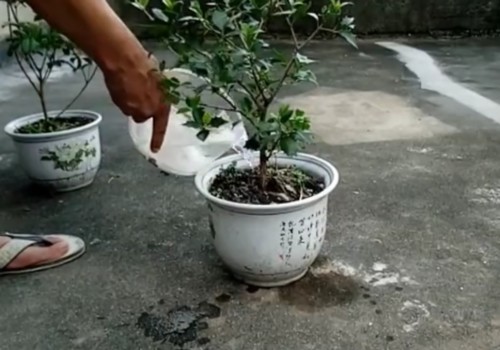
Osmanthus Care Methods and Precautions Explained in Detail
Osmanthus is highly ornamental, with fragrant blooms and a rich scent that fills the air, making it deeply loved by gardening enthusiasts, who usually grow it as a potted plant at home. But to grow potted osmanthus well, you not only need to master the care and management methods, but also pay attention to certain details. So how do you care for potted osmanthus?
-
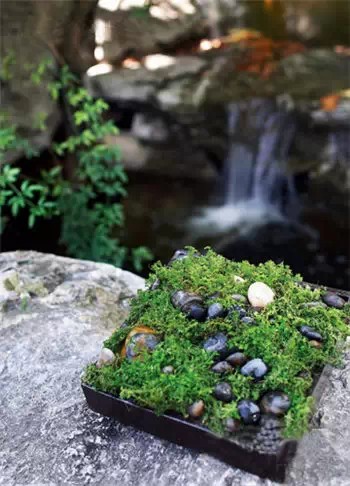
How to make a living bonsai in stone crevices? Materials and methods explained in detail
The tenacious life in the crevices of stones often moves us to tears. It is the restless wind that scatters seeds no one gathers to the ends of the earth. When they can no longer find soil, they place their last hope of life in this thin line of stone crevice. Although they can also share warmth from the sunlight
-
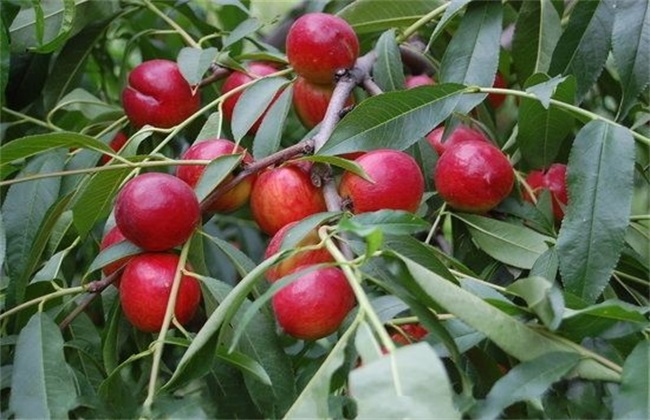
Nectarine Fertilization Techniques: Key Points and Methods Explained
Nectarine Fertilization Techniques
-
Guava Growth Habits, Characteristics, Cultivation Techniques and Pruning Methods Explained
Guava is a very common fruit in the Guangdong region, but in other regions this fruit is relatively rare. Let's take a look at the growth habits of guava and guava cultivation techniques! It is different from the peach cultivation method! Guava
-
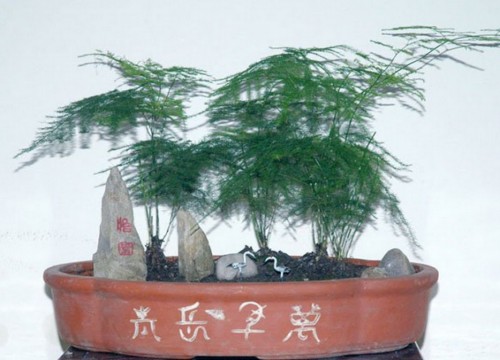
How to make an asparagus fern bonsai? Key points explained all at once
The bamboo-like posture is elegant, with slender, soft branches, distinct layers, and orderly heights, and the cloud-like foliage pads are elegant and unique, making it popular with people. If the asparagus fern is designed and composed into a bonsai displayed on a balcony or indoors, it appears even more beautiful and peaceful, adding a lot of pleasure to life. Below are the key points for making an asparagus fern bonsai.
-
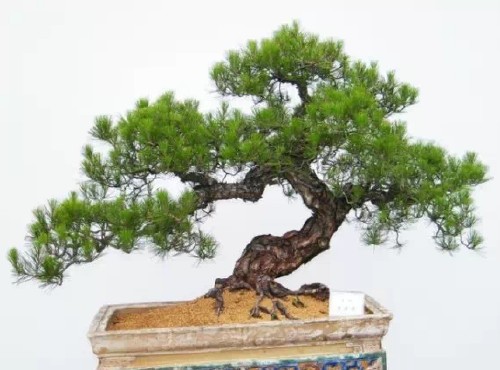
How to Make a Mountain Pine Bonsai? Key Points and Precautions Explained in Detail
Mountain pine, also known as Masson's pine (Pinus massoniana), is a common tree species. Material suitable for making bonsai is relatively scarce, and it grows slowly, making it difficult to shape and care for; however, its tree form is beautiful and can express many artistic conceptions, which makes it rather precious. Key points for making it: 1. Collecting the stump: carry this out around the Beginning of Spring (Lichun) before the resin begins to flow, keeping a soil ball and protecting the fine roots
-
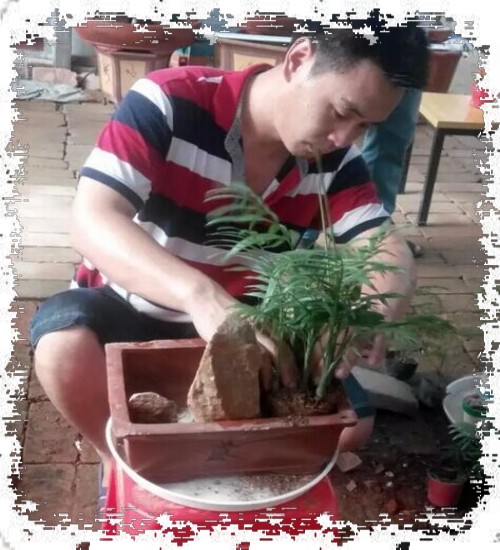
How to make a landscape bonsai? DIY illustrated tutorial explained in detail
Without further ado, today let's first look at the pictures: bamboo + Buddhist pine (Podocarpus macrophyllus) rock-and-stone bonsai; bamboo + pennywort (Hydrocotyle vulgaris) landscape bonsai; parlor palm (Chamaedorea elegans) + Buddhist pine landscape bonsai; parlor palm + Buddhist pine rock-and-stone bonsai. How do they look? After seeing the pictures above, don't you want one too?
-
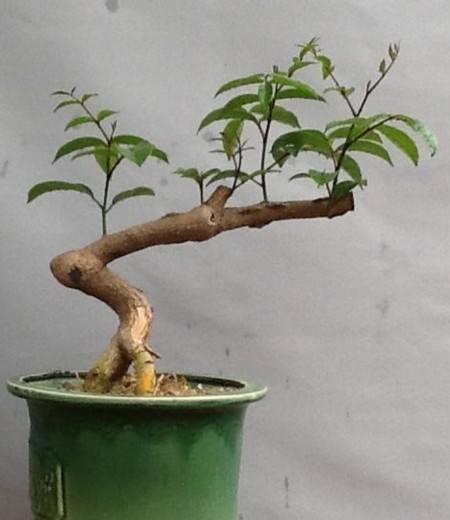
How to make a Zanthoxylum nitidum bonsai? The method and steps explained all at once
Zanthoxylum nitidum is named because both sides of the leaf midrib bear thorns. It is a traditional Chinese medicinal herb with effects such as clearing heat and detoxifying, commonly known as Liangbeizhen and Rudijinniu, and is an evergreen vine of the Rutaceae family. Because Zanthoxylum nitidum has excellent plant characteristics such as a graceful tree form, evergreen foliage throughout the year, tolerance to transplanting, and ease of survival
-
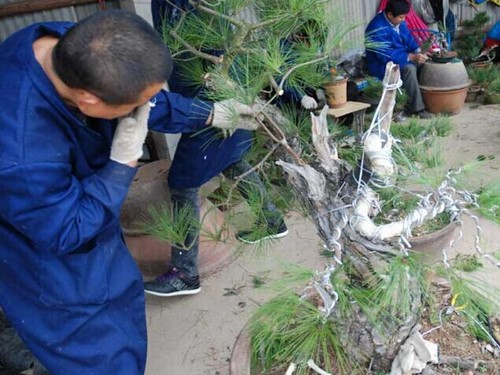
How to Make a Masson Pine Bonsai? Methods and Precautions Explained
Masson pine, also known as mountain pine, is a common tree species, but material suitable for making bonsai is relatively scarce. It is mainly used for construction, railway sleepers, mine props, board making, packing crates, furniture, and wood fiber industry (rayon pulp and papermaking) raw materials. The trunk can be tapped for pine resin, which is a raw material for medicine and chemicals. The roots are rich in resin
-
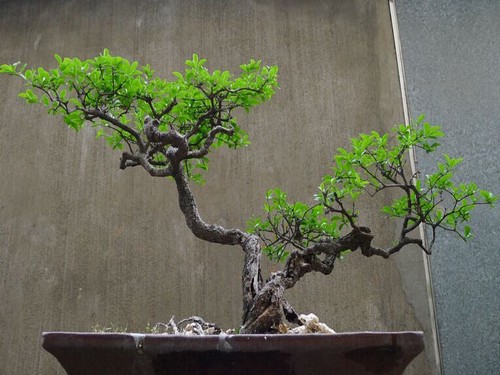
How to make a small-leaf privet bonsai? Detailed method explained
Small-leaf privet has dense branches and leaves, white flowers and purple berries, stays evergreen through all four seasons, and can be enjoyed year-round, but it looks best in spring and summer. Using its old trunk, with ancient roots and a slanting trunk, gnarled and full of varied forms, with branches and leaves styled in layer upon layer, it has even greater ornamental value. Below, let me introduce the method for making a small-leaf privet bonsai.
条件筛选