-
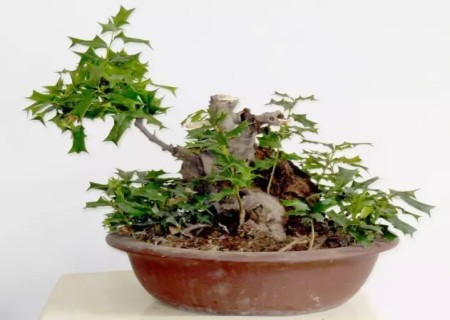
How to make a horned holly (Ilex cornuta) bonsai? Detailed method explained
Horned holly, also known as Chinese holly (Ilex cornuta) or "bird's no-roost," belongs to the Aquifoliaceae family. Its single leaves are alternate, hard and leathery, with spiny teeth along the edges, and it stays green all year round. It likes light and tolerates slight shade, is not hardy against severe cold, grows slowly, has a well-developed root system, strong sprouting ability, tolerates pruning, is dioecious, and bears spherical drupes that are bright red and gorgeous in autumn and winter
-
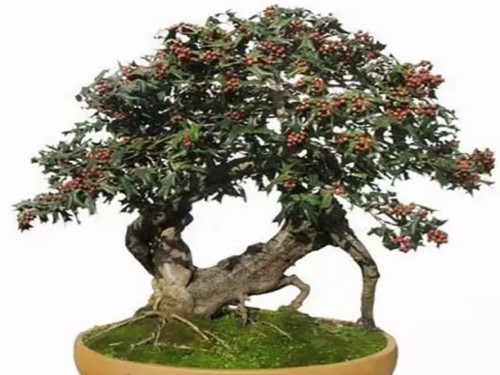
How to make a Chinese holly (Ilex cornuta) bonsai? Detailed method explained
The Chinese holly (Ilex cornuta) has dense branches and peculiar leaf shapes, and its red berries are bright in autumn. It is an excellent tree species for foliage and fruit appreciation. Old-stump bonsai have an elegant, antique posture and remain evergreen through all four seasons, making them suitable for viewing year-round. For decorative applications, it can be planted as a hedge in courtyards or grown in pots, displayed in halls and placed on stands. Because it has thorns, do not let children touch it to avoid injury.
-
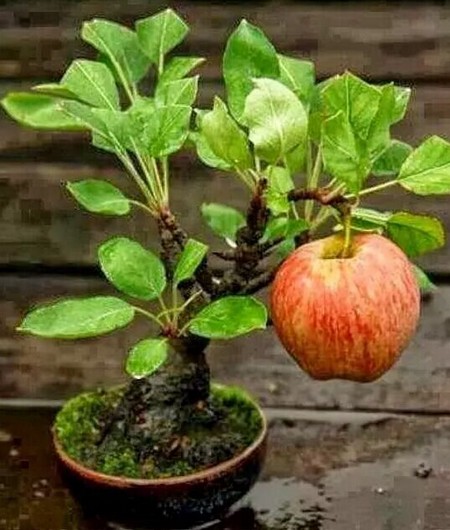
5 major characteristics of fruit tree bonsai, explained in one article
Fruit tree bonsai is a product of combining modern fruit tree cultivation techniques with traditional bonsai art, integrating flower appreciation, fruit viewing and scenery appreciation into one, so that beauty of form and beauty of abundance are displayed at the same time. In spring, the flowering branches are delicate and beautiful, gorgeous as brocade; in summer, full of vitality, crisp and ready to drip, the fruit grows from small to large, changing with each passing day; in golden autumn, the abundant fruit is a riot of color
-
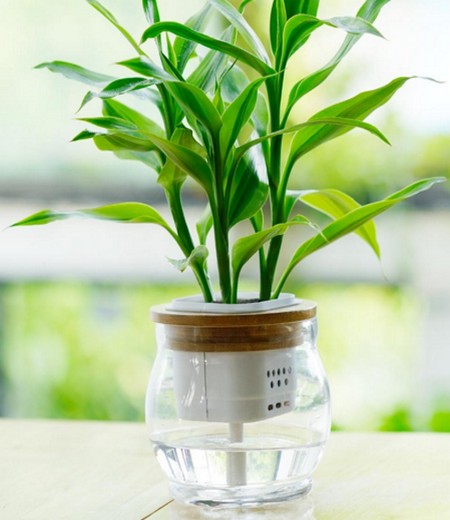
Lucky Bamboo Planting Methods and Steps Explained in Detail
If lucky bamboo is grown as a commercial ornamental, a cultivation height of 80-100 cm is appropriate. It is mostly cultivated in gardens and nurseries, prefers shade and humidity, and has thick stems and leaves. Its varieties include green leaves, green leaves with white edges (called silver edge), green leaves with yellow edges (called golden edge), and green leaves with a silver center (called silver heart). It is mainly used as a potted ornamental plant, and its stem nodes resemble bamboo but it is not bamboo.
-
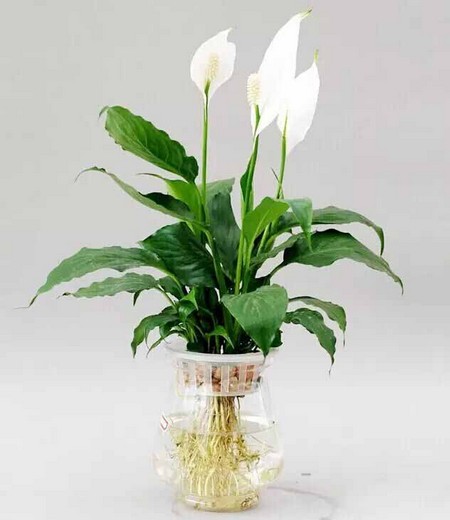
How to grow peace lily (Spathiphyllum) in water? Explaining the causes of not blooming and yellowing, withered leaves
Hydroponic peace lilies not only have the traditional flower-plant functions of enjoying blooms and foliage, but also offer unique advantages such as being clean and eco-friendly, saving labor and time, being easy to care for, having an elegant style, and being highly ornamental. You can enjoy both the beauty of the flowers and the splendor of the roots, which is refreshing and uplifting. Hydroponic peace lilies are very low-maintenance
-
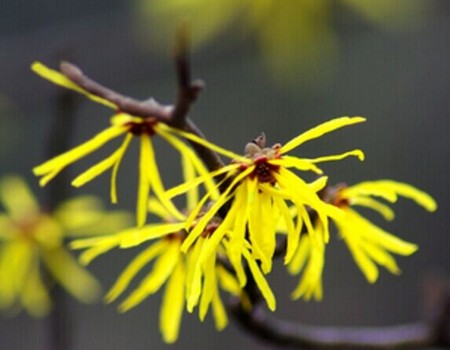
Witch Hazel Cultivation Techniques Explained in Detail: Master the Key Points of Growing and Care
Witch hazel has beautiful foliage, and its early spring blooms and fragrance make it especially valuable. It flowers before the leaves emerge, with petals like threads resembling those of the wintersweet, which is why it is called "golden-thread plum"; it is an important early spring flowering tree. It is suitable for specimen planting in a corner of the courtyard, beside a pond, along a stream, or at the edge of a grove. This species has unusual flowers and is fragrant, blooming before the leaves in early spring.
-
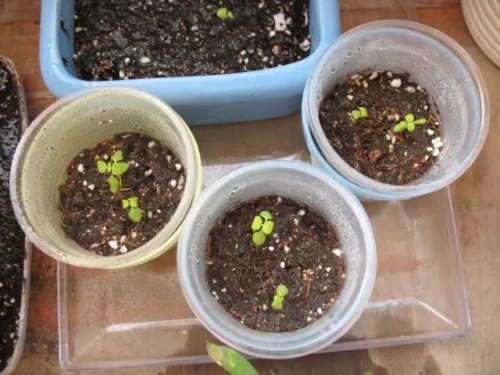
Snapdragon Planting Methods and Care Tips Explained in Detail
Snapdragon is a flower that blooms in summer and autumn, widely cultivated in Chinese gardens, suitable for mass planting in flower beds and flower borders, and its combination with zinnias, petunias, marigolds, scarlet sage and others is especially effective. Tall varieties can be used as background plantings, while dwarf varieties are suitable for rock gardens or windowsill flower boxes, or for edging. This flower can also be used as a cut flower
-
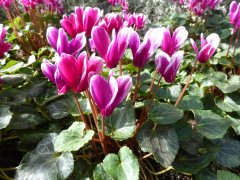
Where is the cyclamen native to? Characteristics and planting precautions explained
Do you know cyclamen? Cyclamen belongs to the primrose family, native to central Europe, southern Europe, Palestine, Asia Minor, the Aegean islands, and the eastern Mediterranean, but its distribution does not extend beyond Iran. There are about 24 original species. The underground storage organ is formed by the enlargement of the hypocotyl,
-
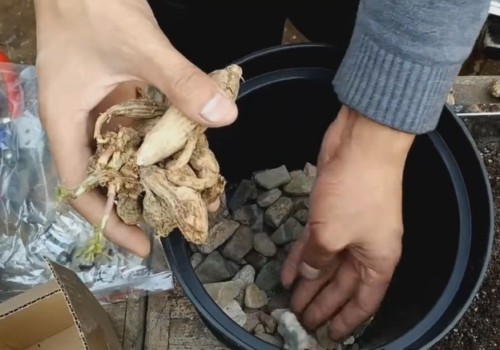
Dahlia Tuber Planting Method and Process Explained in Detail
For dahlias, growing them in pots is generally more difficult than growing them in the ground. To plant dahlias, we can divide out their tubers, then let the cut wounds dry, and afterward plant them in pots. Today, the editor will share with you the method and process of planting dahlia tubers.
-

What should be noted when building a duck house? Key points explained in detail
What to pay attention to when building a duck house
条件筛选