-
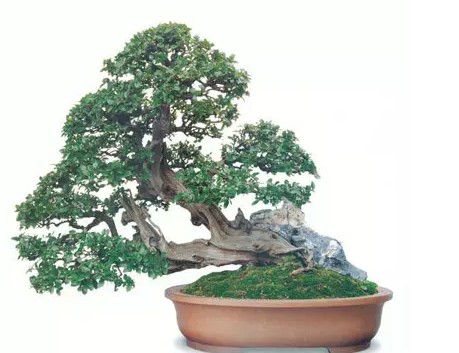
Appreciation of Masterpieces of Suzhou-Style Penjing: Experience the Charm of Traditional Penjing Art
"Ancient Charm Abounds": Species: Chinese sweet plum (Sageretia thea). Height: 57 cm. Age: about 50 years. At first glance it looks like a completely withered old stump, and it has been shaped by human hands, yet it is quaint and natural; the dense canopy of branches and leaves makes it hard to believe that it grew from the back of this dead stump, yet this is an indisputable fact.
-
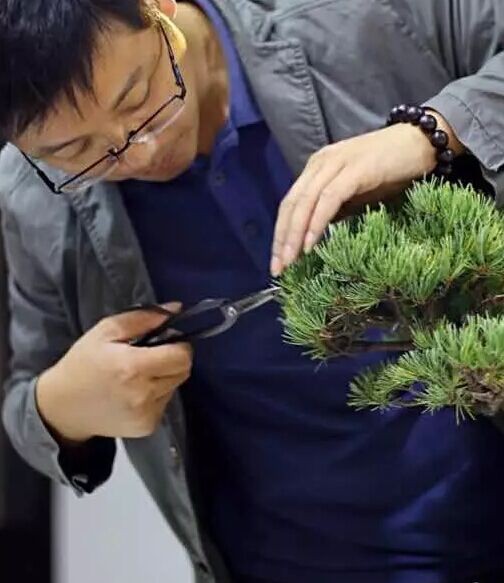
How beautiful is Su-style bonsai? Step into Banzhuju and experience supreme serene beauty
A foot-tall tree, a basin pond before the curved railing, the old Zen monk's pure delight rivals that of forests and springs. Su-style bonsai is a major pillar among China's five great bonsai schools, with a long history: it began in the Tang Dynasty, flourished in the Song, and reached its peak in the Ming and Qing. Tang Dynasty's Bai Juyi, Song Dynasty's Su Shi and Fan Chengda, Ming Dynasty's Wen Zhengming and Wen Zhenheng, Qing Dynasty's Hu Huanzhang
-
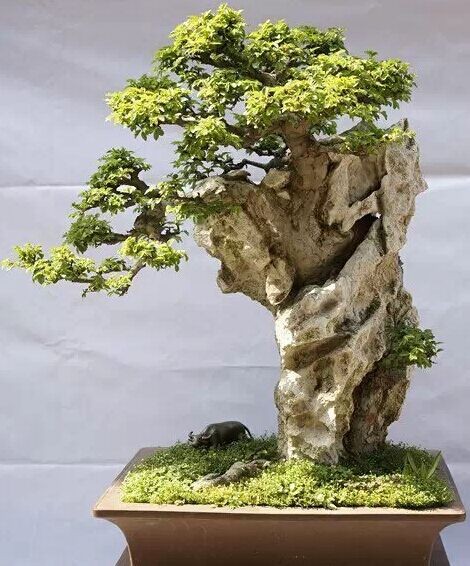
How do you make a root-over-rock bonsai? Practical experience shared with you
A root-over-rock bonsai is made by exposing thick roots and letting them cling to and grow over rocks, with some bonsai accessories appropriately chosen to embellish it. It has the imposing air of standing atop a peak, giving people a feeling of indomitability, ceaseless upward striving, and unending life
-
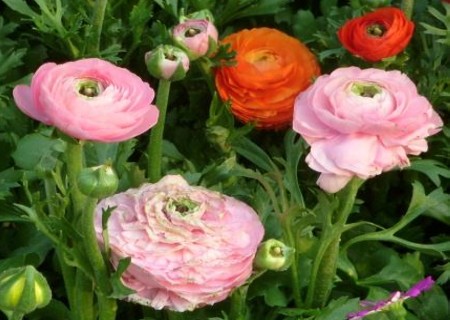
How to grow Ranunculus asiaticus? Sharing my planting and care experience
Ranunculus asiaticus is a bulbous flowering plant of the genus Ranunculus in the family Ranunculaceae. It prefers a cool climate and is better suited to growing at temperatures of 15-25C. Because the south mostly has a hot and humid climate, this flowering plant is generally hard to come by there.
-
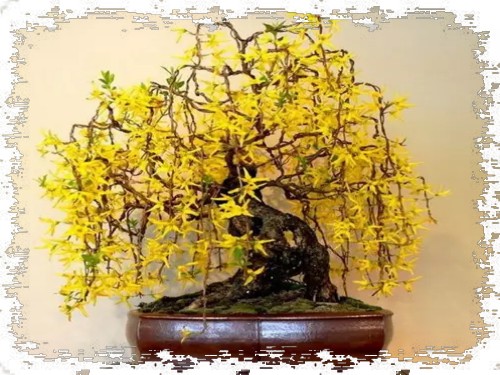
Sharing Penjing Making Methods and Practical Experience
We should seek simpler and easier operating methods within the basic procedures and rules. Everything has its own laws of evolution. Can we better grasp these laws? Can we scientifically and effectively change these laws in practice, making them easier for people to grasp and simplifying the concepts?
-
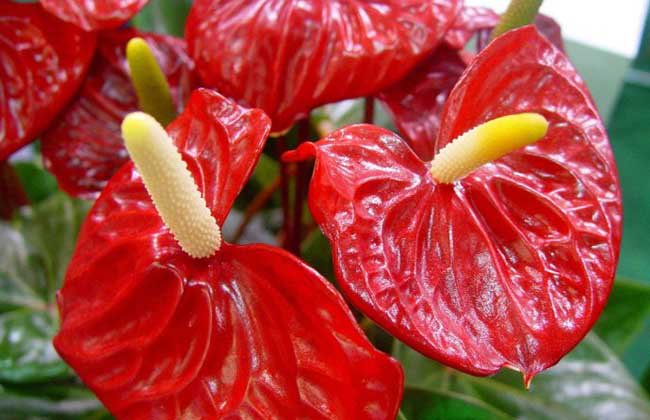
Anthurium: How to Grow Anthurium - The Most Detailed Care Experience
Anthurium generally refers to Anthurium (an ornamental plant of the Araceae family). Anthurium (Anthurium andraeanum Linden) is a perennial evergreen herbaceous plant of the Araceae family. The stem nodes are short; the leaves grow from the base, are green, leathery, entire, and oblong-cordate or ovate-cordate. The petioles are slender.
-
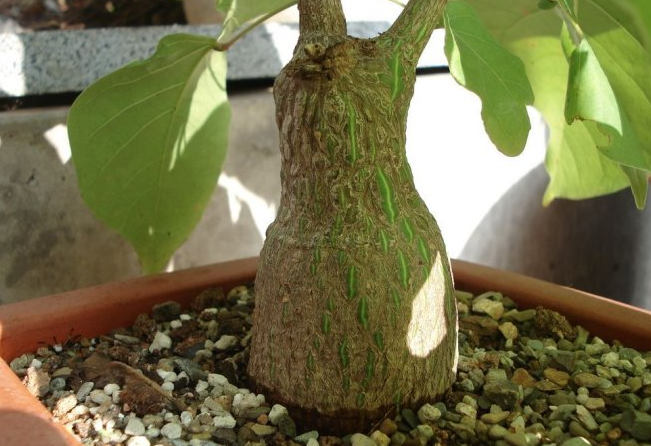
How to grow Pseudobombax ellipticum so its turtle-shell cracks look even more beautiful? With care experience
Green-backed turtle-shell bombax Pseudobombax ellipticum, family Bombacaceae (Bombacaceae), genus Pseudobombax (Pseudobambax). Aliases: pink bombax, pink shaving brush, green-backed turtle-shell bombax, football tree, elliptic-leaved bombax, turtle-pattern bombax
-

Winter Strawberry Transplanting Methods and Fertilization Experience Before and After Planting
For strawberry growers, how to transplant strawberries in winter to improve the survival rate, and how to fertilize before and after transplanting? These are very important questions! So here we will talk about some tips and techniques! First, how to fertilize before transplanting: deep plow the soil before transplanting
-
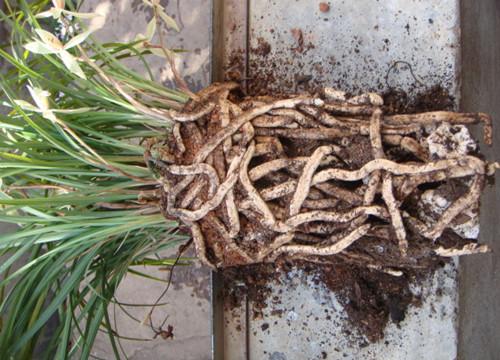
How to grow orchids? An experienced grower shares 6 secrets to help you become an orchid expert
Everyone says orchids are hard to grow, and growing them well is even harder. I often hear fellow growers say, "I've had my orchid for so long and it hasn't grown at all, it looks listless, let alone flowering." But every time I see someone else's beautifully grown orchids, I'm so envious. So, how do you grow orchids?
-
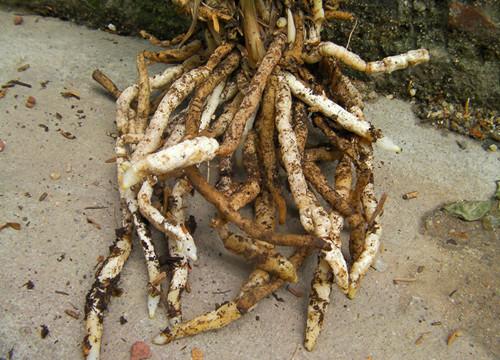
What potting medium should be used to grow orchids? An experienced orchid grower shares 2 kinds, for many shoots, strong seedlings and abundant flowers
To grow orchids well, you must first know how to grow the roots. Every orchid grower knows this, because orchid roots are the organs that absorb and store water and nutrients. Only when the orchid roots are strong can they absorb and store more water and nutrients to supply the orchid leaves. With rich nutrients, orchids can have many shoots, strong seedlings and abundant flowers. So here comes the question
条件筛选