-
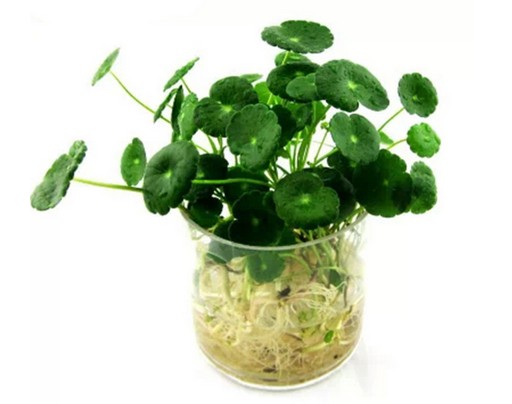
A detailed guide to the seedling and cultivation methods of pennywort bonsai, easy enough for beginners to learn
Pennywort (Hydrocotyle vulgaris) is not strict about water quality and can be cultivated in freshwater with lower hardness; salinity should not be too high. The pH of the water is best kept between 6.5 and 7.0, that is, slightly acidic to neutral. It has a relatively high demand for fertilizer, and during the vigorous growth stage it is enough to apply fertilizer once every 2~3 weeks
-
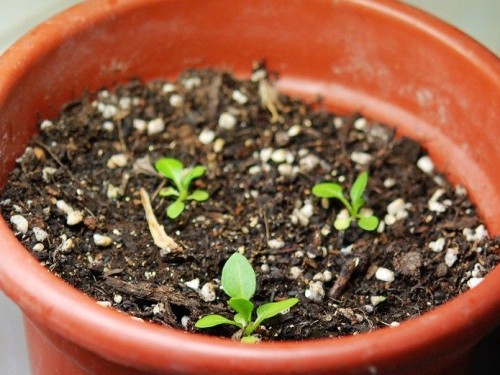
A detailed guide to sowing blue-eyed daisy (blue marguerite) in pots, easy enough for beginners to learn
I am especially fond of this kind of small herbaceous flower; today I learned that it also has a beautiful name, blue-eyed daisy. Blue-eyed daisy is also known as African daisy and large-flowered blue-eyed daisy. It is a semi-shrub or perennial herbaceous plant with a rhizome, with solitary flower heads, hairy involucres, white ray florets with pale purple undersides, and blue-purple disk centers. The blue-eyed daisy's achenes have ribbed grooves
-
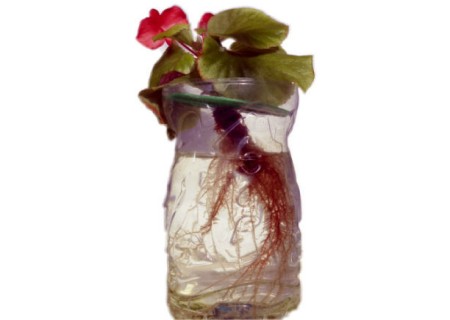
A detailed guide to the water propagation method for wax begonias, easy enough for beginners to learn
In traditional production, wax begonias (Begonia × semperflorens-cultorum) are usually grown as perennial greenhouse pot flowers, but in recent years people have liked to use them in flower beds and as indoor potted plants, with very good results. Besides soil cultivation, wax begonias can actually also be propagated by water cuttings. But
-
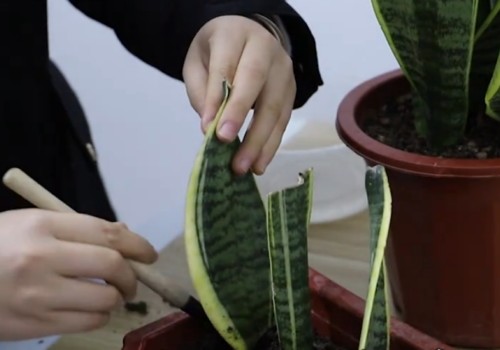
A detailed guide to propagating snake plants by leaf cuttings, easy enough for beginners to learn
Snake plants have high ornamental value and are also fairly easy to care for, so keeping them alive is quite simple. What's more, the propagation method for snake plants is also very easy: just take a single leaf and insert it directly into the growing medium, and you can get small potted seedlings. Today, the editor will share with you the leaf-cutting propagation method for snake plants
-
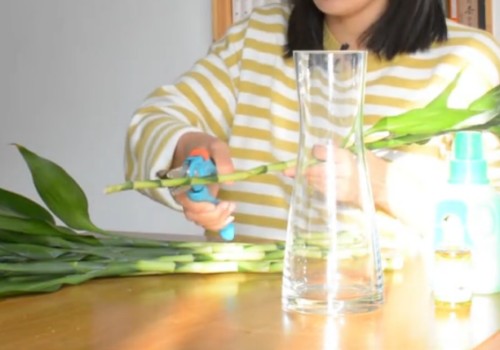
How to grow lucky bamboo in water? Mastering these little tips is enough
Gardeners who love keeping green plants at home certainly won't overlook lucky bamboo. This plant stays evergreen all year round and has extremely high ornamental value, while its auspicious meaning of wealth and good fortune is also one of the reasons it attracts many gardeners. Whether used for ornamental purposes, to accent a space, or to purify indoor air, it can achieve very good results
-
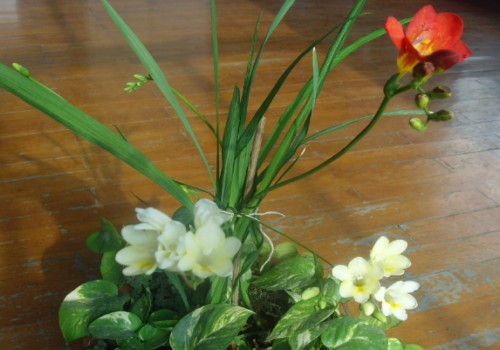
A detailed guide to the water culture method for freesia, easy enough for beginners to learn
Freesia is a flowering plant with extremely high ornamental value and a rich fragrance. Because it grows from a bulb that resembles garlic, it is classified as a bulbous type. This flowering plant can be grown not only in soil but also in water, though getting it to bloom in water culture takes considerable time
-
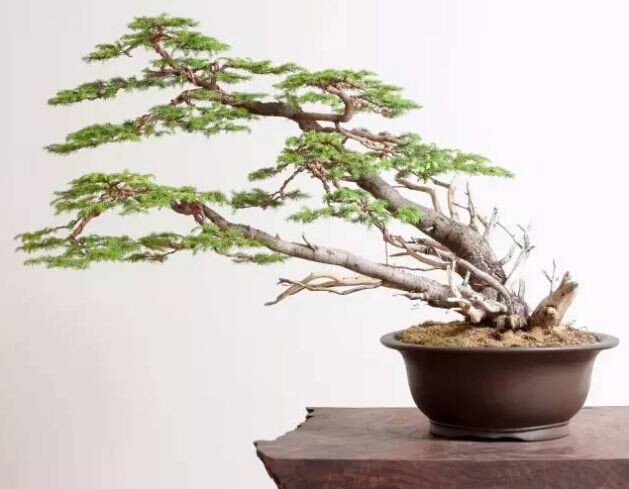
A detailed guide to making cliff cypress bonsai, easy enough for beginners to get started
Pine and cypress bonsai, rugged and aged, cold- and heat-tolerant, not choosy about soil, are long-lived tree species and much loved by people. But digging up and transplanting old pine and cypress stumps so they survive is rather difficult, because their sap is in a waxy state and the bark is fragile and easily damaged; once wounded, the resin seals the cut and hardens, sap circulation is blocked, and it is very hard for new buds to sprout
-
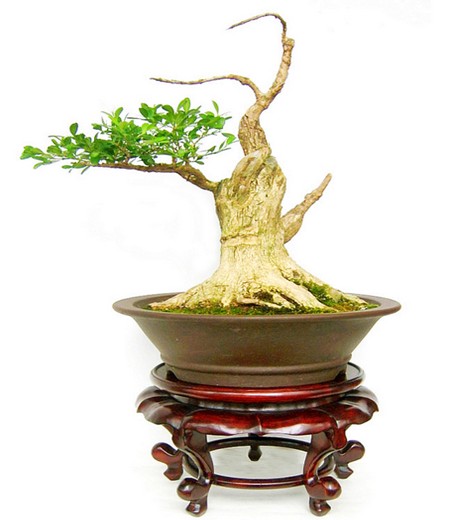
A detailed guide to making big-leaf boxwood (Euonymus japonicus) bonsai, easy enough for beginners to learn
Boxwood bonsai has a graceful tree posture, with leaves as small as broad beans, thick and glossy, evergreen all year round, and can be enjoyed throughout the year. In the Yang-style boxwood bonsai, the branches and leaves are pruned and trained into cloud-like pads, flat and thin as if shaved, then dotted with rocks, elegant and beautiful as a painting. In spring, when the tender leaves of boxwood first emerge, the whole tree is tender green and very pleasing to the eye. An ancient poem praising boxwood
-
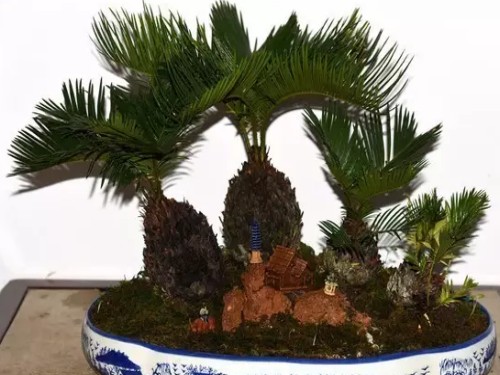
How to make a sago palm bonsai, easy enough for beginners to learn
The sago palm is properly named Cycas revoluta, also known as iron-armored pine, phoenix-tail banana and so on. It is an evergreen small tree of the genus Cycas in the family Cycadaceae, and a precious ancient relict plant. The main type cultivated in China is the Cycas revoluta native to the mountains of Fujian. In recent years, Cycas panzhihuaensis from Panzhihua, Sichuan, Cycas siamensis from Yunnan and others have also been introduced and cultivated in various places. The sago palm has a graceful form
-
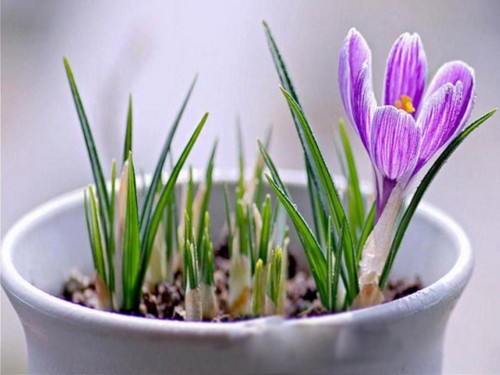
A detailed guide to growing saffron crocus in pots, easy enough for beginners to get started
Saffron crocus, also known as saffron, is a perennial herbaceous plant in the iris family (Iridaceae), with a plant height of about 15 cm, a flattened round corm, and brown membranous scales on the outer layer. The leaves are linear, with white veins and slightly rolled-back leaf margins; there are 6 petals in a purple-blue color, 3 stamens, 1 pistil, and 3 styles. The styles extend out of the perianth
条件筛选