A detailed guide to the water culture method for freesia, easy enough for beginners to learn
Freesia is a flowering plant with extremely high ornamental value and a rich fragrance. Because it grows from a bulb that resembles garlic, it is classified as a bulbous type. This flowering plant can be grown not only in soil but also in water, though getting it to bloom in water culture takes considerable time, and the state of the plant when blooming also differs somewhat from soil-grown freesia.
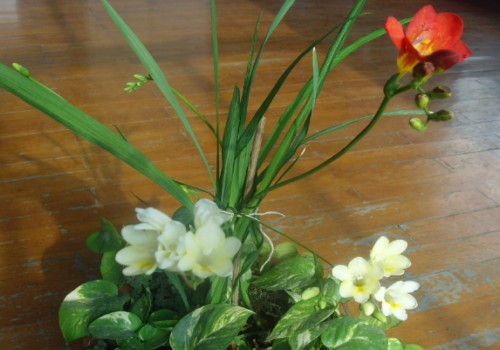
But if you want freesia to keep growing vigorously in a water culture environment and bloom successfully, the planting and growing method must be appropriate. In particular, the timing of water culture must be grasped well, the operating method must be correct, and with proper care afterward, it can also be expected to produce brilliant, delicate flowers. Below, the editor will share with you the water culture method for freesia.
1. Prepare a vase
For water-cultured freesia, a transparent glass container is generally chosen; even an ordinary glass vase will do. The main purpose of recommending a transparent container is to make it easy to observe the sprouting and growth state of the freesia's roots in the water culture environment, so that we can better care for and manage it.
2. Water culture planting
Water-cultured freesia can generally be started from bulbs, just like water-cultured garlic, and the method is very simple. Before water culture planting, the bulbs need simple treatment to ensure they are healthy and undamaged, and to disinfect and sterilize them. Then simply place the treated freesia bulbs in the glass bottle.
However, generally 2-3 bulbs are suitable for each container. If there is still a relatively large gap, we can also put a few small stones in to fill the bottom, and after the bulbs sprout they can also serve to stabilize them. Of course, the bulbs and small stones should not be placed randomly, but rather with consideration for aesthetics and whether it is more suitable for the bulbs to sprout and grow. Finally, pour an appropriate amount of clean water into the glass bottle.
3. Care and management
During the water culture process, the clean water added is usually required to cover the upper surface of the freesia bulbs, submerging the bulbs below the water surface as much as possible. Then place the glass bottle in a sunny environment for care. As long as the growing conditions are met, before long the upper, more pointed part of the bulb will sprout tender white fibrous roots, and at the same time small tender yellow shoots will grow from the base at the lower end of the bulb.
After the bulbs sprout, let them get plenty of sun to better promote photosynthesis and form the nutrients the plant needs. Moreover, giving freesia plenty of sun can prevent it from becoming leggy, making the new leaves more tender green and glossy. At the same time, the water for water-cultured freesia should also be changed promptly, and when changing the water, be careful to clean the container and properly trim the roots. When it grows into a mature plant and approaches the flowering period, promptly apply a little monopotassium phosphate to promote flowering.