-
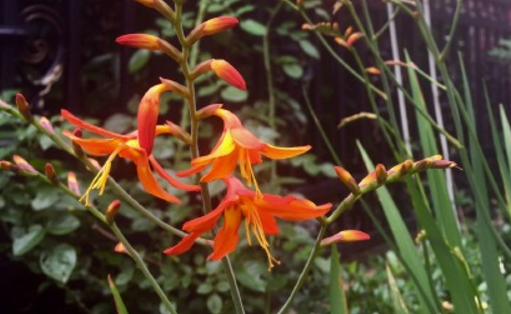
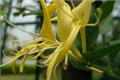
Crocus-like Tritonia (Montbretia) fire flower: home cultivation methods, precautions, propagation, and effects and functions
The fire flower likes full sunlight and is cold-tolerant. In the middle and lower reaches of the Yangtze River, its corms can overwinter in the open ground. So what are the home cultivation methods and precautions for the fire flower? How does it propagate? What effects and functions does it have? According to available information, the fire flower is suitable for growing in well-drained, loose and fertile sandy loam.
-
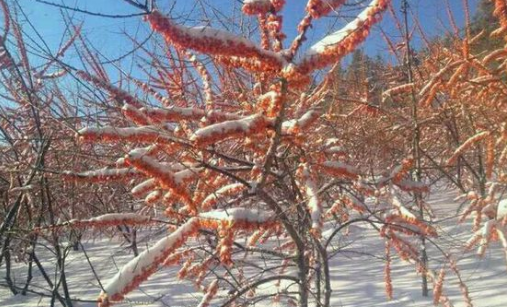
How to grow and sow sea buckthorn? Benefits, effects and precautions explained
Sea buckthorn is the same as vinegar willow, also called black thorn and sour thorn. So what are the growing methods and precautions for sea buckthorn? What benefits and effects does it have? How do you sow it? According to information, sea buckthorn is a relatively cold-tolerant plant, and it can tolerate salt, alkali and poor soil, with extremely tenacious vitality. Sea buckthorn is a very precious economic tree species
-
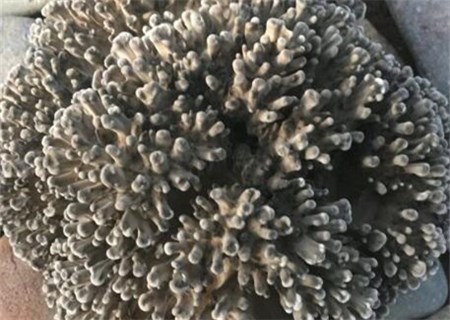
Cultivation Methods, Benefits and Effects, and Delicious Recipes for Grifola frondosa (Maitake)
Grifola frondosa is rich in amino acids, protein and various trace elements. It has a pine mushroom-like aroma, tender flesh, a flavor like shredded chicken, and a crispness like magnolia petals. So do you know what cultivation methods there are for Grifola frondosa? What benefits and effects does it have? How do you cook it deliciously? What cultivation methods are there for Grifola frondosa
-
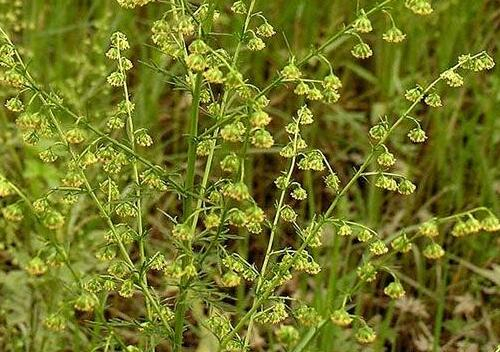
What diseases can sweet wormwood treat, its effects and functions, and how it differs from annual wormwood
Sweet wormwood, also known as fragrant wormwood, grass wormwood, bitter wormwood, etc., is a common annual herbaceous plant found in valleys and along riverbanks. It grows taller than other Artemisia plants and is widely used medicinally because of its effects in relieving summer heat, stopping bleeding and cooling blood, and fighting bacteria.
-
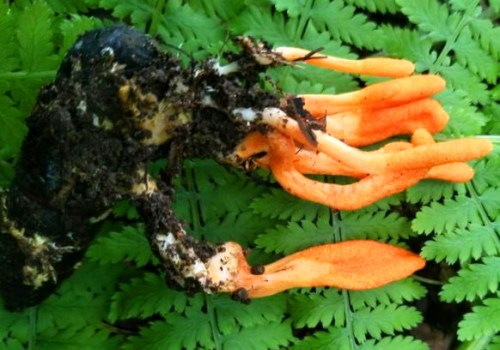
Cordyceps militaris: Benefits, Effects, Contraindications, and How It Differs from Cordyceps flower and Cordyceps sinensis, Plus How to Eat It
Cordyceps militaris is also called northern Cordyceps sinensis, northern Cordyceps, or northern pupal Cordyceps. It belongs to the family Clavicipitaceae and is a combination of insect body and fungus. The pupal body is purple, and the fungal body is orange-yellow or orange-red. Wild specimens are relatively rare, and artificial cultivation has now been achieved. So, what are the benefits, effects, and contraindications of Cordyceps militaris?
-
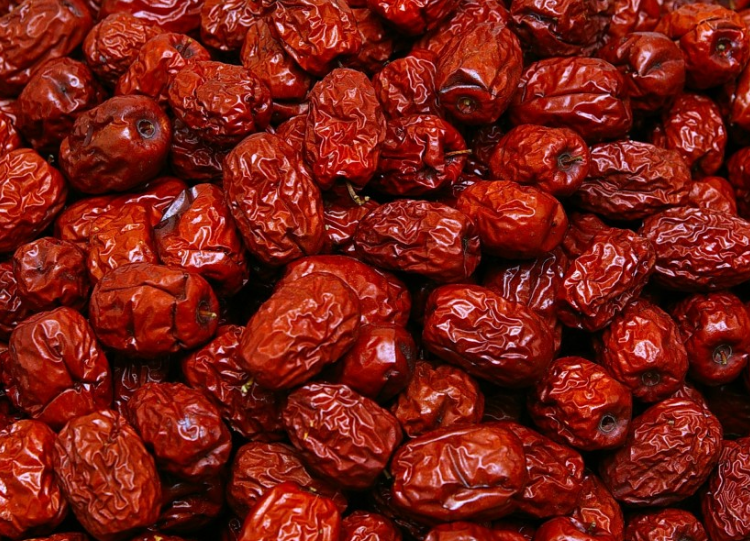
The Benefits and Effects of Jinsixiao Jujube, Its Differences from Da Hong Zao (Large Red Jujube), and Bonsai Cultivation Techniques
Jinsixiao jujube is a premium variety among jujubes, with a small pit and thick flesh, fine golden threads, an especially sweet taste, and rich nutrition, particularly a very high vitamin content; after people eat it, it can nourish the blood and also beautify the skin.
-
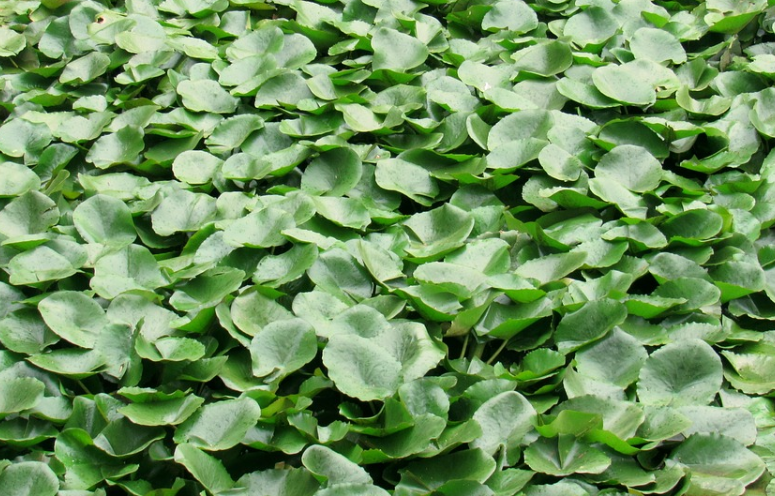
What Plant Is Water Hyacinth? A Full Breakdown of Its Benefits, Effects, and Cultivation Methods
Water hyacinth is native to Brazil. It is now widely distributed in the Yangtze and Yellow River basins of China and across the provinces of South China. It prefers warm, humid, sunny environments, is highly adaptable, and has a certain tolerance to cold. So, what plant is water hyacinth? What benefits and effects does it have? How is it best cultivated? What plant is water hyacinth?
-

What are the effects and functions of Scutellaria barbata?
The effects and functions of Scutellaria barbata
-
A Detailed Explanation of the Benefits, Effects and Ways to Consume Monk Fruit
The Benefits, Effects and Ways to Consume Monk Fruit
-
条件筛选