-
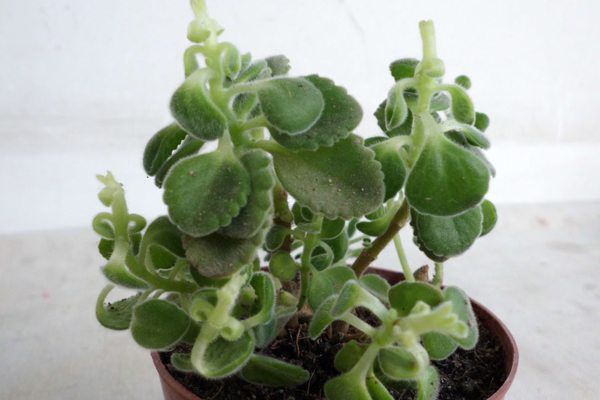
How to effectively prevent and control mealybugs on Cuban oregano
What to do when Cuban oregano gets mealybugs
-
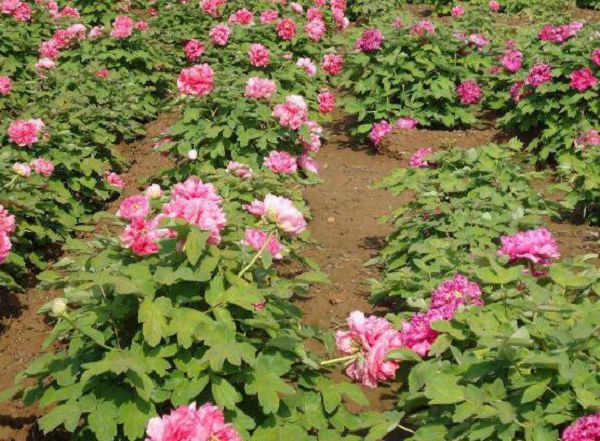
What to Do When a Peony's Roots Rot? Effective Solutions to Share
What to Do When a Peony's Roots Rot, Solutions for Peony Root Rot
-
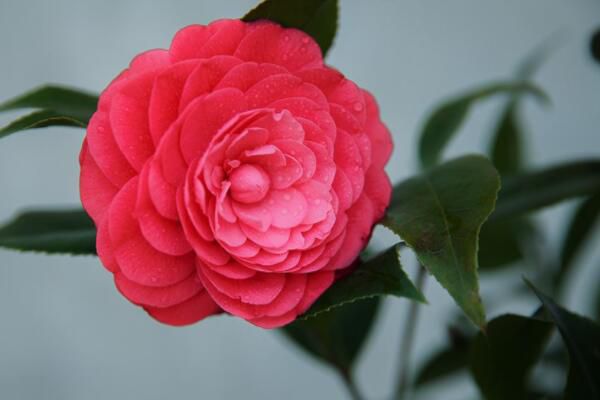
Camellia anthracnose is severe, what should you do? Teach you effective prevention and control methods
What to do when camellia has severe anthracnose
-
What are the harmful effects of Euphorbia helioscopia on the human body? You need to know these toxicity facts
What harm does Euphorbia helioscopia do to humans
-
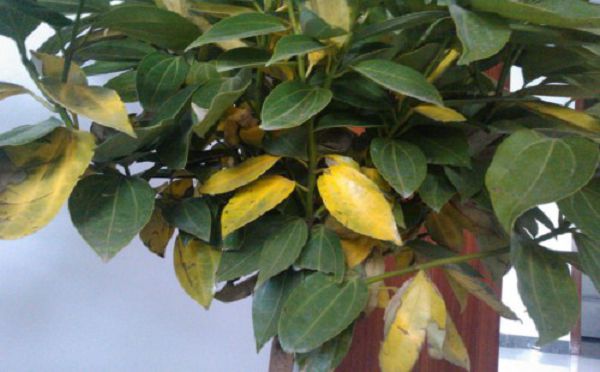
How to effectively treat dry and withered leaves on a potted Peace Lily tree
How to treat dry and withered leaves on a potted Peace Lily tree
-
-
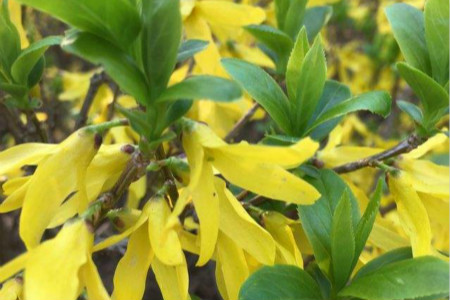
Forsythia: A Detailed Explanation of Its Benefits, Effects, Side Effects and Contraindications
Forsythia's Benefits and Effects, Side Effects and Contraindications
-
-

How to Effectively Prevent and Control Cherry Blossom Brown Spot Shot Hole Disease
I. Symptoms: Shot hole disease can be divided into fungal and bacterial types. Cherry blossom brown spot shot hole disease is caused by fungi. It mainly damages leaves and also infects new shoots. It usually starts from the lower part of the canopy and gradually spreads upward. In the early stage of the disease, needle-tip-sized purplish-brown small spots are scattered on the upper side of the leaves, later expanding into round or nearly round lesions 3-5 mm in diameter. The edges of the brown spots are purplish-brown, and grayish-brown mold spots appear on the lesions in the later stage. An abscission layer forms at the edge of the spot, and the lesion dries up and falls off, forming shot holes. II. Disease Pattern: The pathogen of cherry blossom brown spot shot hole disease overwinters in diseased leaves or shoot parts
-
What are the medicinal values of China pink? An analysis of its effects and functions
China pink (Dianthus chinensis) has a low, compact growth habit, with stems resembling bamboo and lush green foliage. Its natural flowering period is from May to September, blooming from late spring all the way to mid-autumn, and when potted in a greenhouse it can flower in all four seasons. The flowers are borne at the tips of the branches, either singly or in pairs, and sometimes in paniculate cymes. The flower diameter is not large, only 2 to 3 cm, but the blooms are abundant, opening one after another, giving a long ornamental period. Flower colors include white, pink, red, rose pink, scarlet, purple, light purple, yellow, blue and more, colorful and endlessly varied. In gardens it can be used in flower beds, flower borders, raised flower platforms or as potted plants, and can also be used in rock gardens and at the edges of lawns
条件筛选