Cultivation Methods, Benefits and Effects, and Delicious Recipes for Grifola frondosa (Maitake)
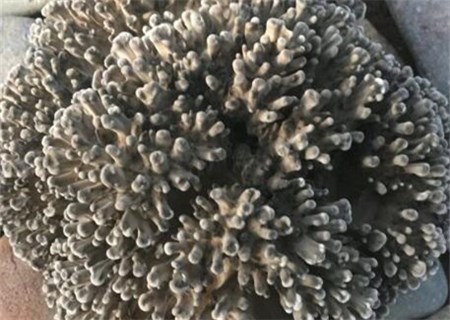
Grifola frondosa is rich in amino acids, protein and various trace elements. It has a pine mushroom-like aroma, tender flesh, a flavor like shredded chicken, and a crispness like magnolia petals. So do you know what cultivation methods there are for Grifola frondosa? What benefits and effects does it have? How do you cook it deliciously?
I. What cultivation methods are there for Grifola frondosa
(1) Basic production condition requirements for Grifola frondosa
1. Temperature: production temperature range 16-30, optimum temperature 22-28.
2. Humidity: suitable humidity 80-95%. Keep the air fresh during the growth process; when cultivating in protected facilities, attention should be paid to ventilation.
3. Light: Grifola frondosa requires relatively strong scattered light during growth and should avoid direct sunlight; light intensity 200-1000 lux.
4. The production site must not be waterlogged or accumulate water. The soil pH is required to be 5-6.5. The nutrients needed during the growth process have already been fully mixed in during the production of the fungus bags. No additional nutrients are needed.
(2) Production materials for Grifola frondosa: 1. Dedicated spawn. 2. Cottonseed hulls, wheat bran, chestnut branch sawdust, etc. 3. Dedicated plastic bags. 4. High-temperature sterilization equipment. 5. Construction of production site facilities. 6. Product packaging materials.
(3) Production process flow: 1. Mycelium stock culture. 2. Preparation and sterilization of fungus bag materials. 3. Inoculation of fungus bags. 4. Construction of a shaded, semi-underground mushroom shed. 5. Placing fungus bags into the shed for Grifola frondosa cultivation. 6. Harvesting and packaging of Grifola frondosa.
(4) Cultivation methods
1. Site selection: For open-field cultivation, choose a plot with high terrain, facing the sun, and convenient drainage and irrigation; sandy soil is suitable, and coarse sand particles are even better. To prevent contamination by weed molds, it is best to choose newly opened virgin land; plots with overly fertile, overly fine, or overly sticky soil are all unsuitable.
2. Preparation of the cultivation bed: The cultivation bed should be arranged in an east-west orientation, with a length of 2.5-3 m, a width of 0.45-0.55 m, and a depth of 0.25-0.35 m; a bed spacing of 0.8-1 m is suitable. After the cultivation bed is dug, first irrigate once with a large amount of water; after the water seeps in, spread a thin layer of lime for disinfection (just until white is visible), and then spread a layer of trichlorfon powder on the lime powder to control underground pests.
3. Arranging the fungus bags: After completing the above steps, backfill soil 0.02 m, then place the fungus bags. When the bed width is 0.45 m, arrange 4 rows; when the width is 0.55 m, arrange 5 rows. The arrangement should be tight, straight horizontally and vertically.
4. Filling soil and wrapping the soil sides: After the fungus bags are arranged, backfill soil, just exceeding the fungus bags by 0.01 m, then surround the pit walls on all four sides with 0.5 m wide woven bags, and scatter a layer of small stones on the bed surface to prevent Grifola frondosa from getting mud on it after emerging from the soil.
5. Building a shade shed: According to the east-west orientation of the cultivation bed, insert frames that are higher in the north and lower in the south, and cover them with plastic and straw curtains to regulate temperature, retain moisture, prevent wind-blown sand and direct sunlight, and keep Grifola frondosa fresh and tender. V. Management during the fruiting period. Under natural conditions, fruiting generally occurs in May, and attention should be paid to the management of young mushrooms. The temperature in the shed should be maintained at 22-26°C and the relative humidity at 80-95%. Suitable moisture should be maintained in the cultivation bed. When spraying water to increase humidity, the mist droplets should be fine, and the nozzle of the sprayer should be pointed upward to avoid washing away the young mushrooms. From early May to early September is the suitable period for Grifola frondosa growth. Generally, the second flush grows after the 20th day of harvesting, and three flushes can be harvested in a year. After each harvest, irrigate 2-3 times with a large amount of water, and the water should soak through the fungus bags. After fruiting, manage according to the young mushroom management method.
(5) Harvesting standard: When the stipe and the underside of the cap just begin to show a porous appearance, and the edge of the cap turns yellow or black, harvest promptly. Do not water for 2-3 days before harvesting.
(6) Production cost and benefit accounting: 1. Mycelium production: 2-3 yuan per bottle. 2. Fungus bag materials: 0.8-1.0 yuan per bag. 3. Site facilities: 6-7 yuan per sq m. 4. Yield: 0.15-0.25 kg per bag. 5. Product price: 16-20 yuan per kg. 6. Benefit: 1.2-1.5 yuan per bag.
(7) Development prospects: Farmers in mountainous areas can use the interrows of their contracted orchards or their courtyards to cultivate 10,000-20,000 bags during the suitable-temperature period from May to September, increasing household annual income by 10,000-20,000 yuan. This can accelerate the pace of farmers in mountainous areas becoming prosperous.
II. What benefits and effects does Grifola frondosa have
1. Grifola frondosa can promote brain development
This food ingredient, Grifola frondosa, contains some trace element zinc. This substance can act directly on the human brain, promote brain development, and also improve memory. It is most suitable for people who frequently use their brains. In addition, Grifola frondosa can also promote wound healing and can be used as an auxiliary treatment for human trauma.
2. Grifola frondosa can delay aging
Grifola frondosa is also a distinctive food ingredient that can delay aging. This food ingredient contains not only the trace element selenium, but also some polysaccharides and various flavonoid substances. After entering the human body, these substances can scavenge free radicals in the human body and also delay aging. In addition, selenium can also prevent the occurrence of Keshan disease, Kashin-Beck disease, and heart disease.
3. Grifola frondosa can detoxify and aid weight loss
Grifola frondosa can detoxify and aid weight loss. This food ingredient, Grifola frondosa, contains some natural cellulose, which can promote gastrointestinal peristalsis, relieve constipation, and also promote the excretion of various viruses in the human intestinal tract. Regular consumption can reduce weight and slim the body, making people's figures become more and more slender. The selenium and polysaccharides in Grifola frondosa are also natural anti-cancer components. They can inhibit the formation and regeneration of cancer cells, and persistently eating them in daily life can play a good role in preventing and fighting cancer.
III. How to cook Grifola frondosa deliciously
Dry-pot Grifola frondosa
Ingredients: mushrooms, celery, chili peppers; seasonings: scallions, cilantro, garlic.
Method:
1. Wash Grifola frondosa, tear into thin strips by hand, cut celery into sections, and cut chili peppers into strips.
2. In a wok, stir-fry scallions and garlic until fragrant, add the mushrooms and stir-fry.
3. Add celery and shredded chili peppers and stir-fry until fragrant, then add oyster sauce, soy sauce, cooking wine, salt, and MSG.
4. Add cilantro sections, then remove from the heat.
Shredded Chicken with Grifola frondosa
Ingredients: Grifola frondosa, chicken breast, refined salt, MSG, sesame oil, wet starch, scallions, ginger.
Method:
1. Blanch Grifola frondosa in boiling water for 2 minutes, drain the water, and set aside.
2. Cut the chicken breast into fine shreds, slip them apart in warm oil, and set aside.
3. Heat the wok with cool oil, use chopped scallions and ginger to season the wok, add the chicken shreds, add Grifola frondosa and stir-fry simply, add refined salt and MSG, stir-fry until cooked, thicken with starch, drizzle with sesame oil, remove from the heat and plate. It is then ready.
Characteristics: Rich in nutrition, delicious and salty-fragrant, smooth, tender, and refreshing.
Stir-fried Beef with Grifola frondosa
Ingredients: Grifola frondosa, beef, cucumber, carrot, oyster sauce
Method:
1. Clean Grifola frondosa, tear into small florets, blanch in boiling water for 2 minutes, then let cool and set aside.
2. Cut beef into strips, mix evenly with starch, cooking wine, and light soy sauce, and marinate for 5 minutes.
3. Cut cucumber and carrot into diamond-shaped slices, blanch in boiling water for 1 minute, and set aside.
4. Heat the wok with cool oil, add the beef and stir-fry until it changes color, then add scallions and ginger and stir-fry until fragrant, then add Grifola frondosa, cucumber, and carrot and stir-fry together, and finally add light soy sauce, oyster sauce, salt, etc., stir-fry evenly, and it is ready to eat.
Characteristics: Rich in protein, nutritionally balanced, and eating more helps improve immunity.