What diseases can sweet wormwood treat, its effects and functions, and how it differs from annual wormwood
Sweet wormwood, also known as fragrant wormwood, grass wormwood, bitter wormwood, etc., is a common annual herbaceous plant found in valleys and along riverbanks. It grows taller than other Artemisia plants and is widely used medicinally because of its effects in relieving summer heat, stopping bleeding and cooling blood, and fighting bacteria. So what diseases can sweet wormwood treat? What are its effects and functions? And how does it differ from annual wormwood?
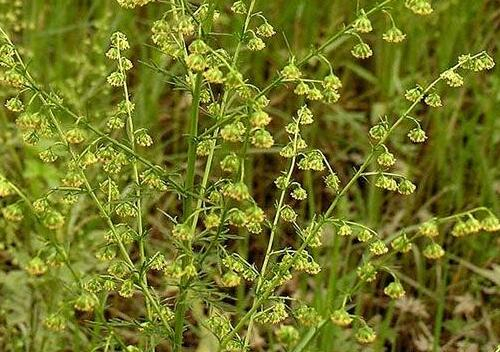
I. What diseases can sweet wormwood treat? What are its effects and functions?
1. What effects does sweet wormwood have?
Effect 1. Clearing heat and reducing fever: Sweet wormwood contains artemisinin B, volatile oils, etc., which have a certain fever-reducing effect. It can be drunk directly as an infusion, or taken together with herbs such as licorice tablets and Forsythia suspensa.
Effect 2. Clearing heat and reducing steaming: Sweet wormwood can effectively cure patients with night sweats. It is generally taken together with Anemarrhena asphodeloides or soft-shelled turtle shell, and can effectively eliminate the condition.
Effect 3. Clearing heat and removing dampness: Sweet wormwood also has a certain therapeutic effect on chronic inflammations such as cholecystitis. It can be taken together with herbs such as peony root and Scutellaria baicalensis, and can effectively clear heat and remove dampness.
Effect 4. Stopping bleeding and cooling blood: Sweet wormwood also has a certain therapeutic effect on nosebleeds and blood diseases. It can be taken together with Angelica sinensis, peony root, etc., and can produce a certain bleeding-stopping effect.
2. What functions does sweet wormwood have?
Function 1. Cooling effect: Sweet wormwood contains a large amount of volatile oils and can produce a certain fever-reducing effect. The effect is especially better in preparations made with honeysuckle, and it can also produce a good inhibitory effect on inflammation.
Function 2. Regulating immunity: Sweet wormwood has a good bidirectional immune effect, meaning it can resist autoimmune diseases and also enhance immune function.
Function 3. Anti-cancer effect: Sweet wormwood also has a good anti-cancer effect. Regular consumption can produce a certain inhibitory effect on human gastric cancer, lung cancer, etc.
Function 4. Anti-malarial effect: Artemisinin can significantly inhibit the growth of the asexual bodies of Plasmodium falciparum and has a direct killing effect on malaria parasites.
Function 5. Antibacterial effect: Sweet wormwood contains artemisinic acid, artemisinin B, etc., which can resist the activity of bacteria and fungi. Its water decoction can produce a certain inhibitory effect on Bacillus anthracis, Shigella dysenteriae, Mycobacterium tuberculosis, etc. on the skin surface.
II. What is the difference between sweet wormwood and annual wormwood?
Difference 1: Difference in family and genus:
Sweet wormwood is an annual herbaceous plant of the genus Artemisia in the family Asteraceae, order Asterales, division Angiospermae. Its leaves are pinnate and alternate, and the plant has a fragrant aroma.
Annual wormwood is an annual herbaceous plant of the genus Artemisia in the family Asteraceae, order Asterales, division Angiospermae. Its leaves are papery, much branched, and it has a foul odor.
Difference 2: Difference in flowers:
The capitulum of sweet wormwood is relatively large, generally hemispherical, about 3-4 mm long and wide.
The capitulum of annual wormwood is relatively small, generally nearly spherical, about 1.5 mm long and wide.
Difference 3: Difference in leaves:
The leaves of sweet wormwood are mostly brownish green or dark green. The leaf surface is once pectinate-pinnate, and the higher up, the finer the leaf surface.
The leaves of annual wormwood show different colors depending on the growth rate during the growing period. They are generally green at the seedling stage and withered yellow at the mature stage. The leaf surface is three times pinnate, and the higher up, the smaller and finer it becomes.
Difference 4: Difference in medicinal value
Sweet wormwood contains components such as volatile oil and artemisinin B, and can produce a cooling and fever-reducing effect. Especially on hot days, drinking it as an infusion can produce a cooling and fever-reducing effect, and it can also effectively help the human body sweat and avoid heatstroke.
Annual wormwood contains a large amount of artemisinin, which can be extracted for use in medicine. It has a certain therapeutic effect on cardiovascular diseases, etc., and also has a certain resistance effect on parasites, fungi, bacteria, etc., so its medicinal range is somewhat broader.
III. What effects and functions does artemisinin have?
Artemisinin is a medicinal component extracted from plants such as sweet wormwood and can produce a certain anti-malarial effect against malaria. It also has a certain inhibitory effect on cervical cancer cells, breast cancer cells, etc. It has a certain antibacterial effect on fungi such as Mycobacterium tuberculosis and Shigella dysenteriae, so its medicinal value is extremely high.