The Benefits and Effects of Jinsixiao Jujube, Its Differences from Da Hong Zao (Large Red Jujube), and Bonsai Cultivation Techniques
Jinsixiao jujube is a premium variety among jujubes, with a small pit and thick flesh, fine golden threads, an especially sweet taste, and rich nutrition, particularly a very high vitamin content; after people eat it, it can nourish the blood and also beautify the skin. So what benefits and effects does Jinsixiao jujube have? How does it differ from Da Hong Zao? How is it cultivated as a bonsai?
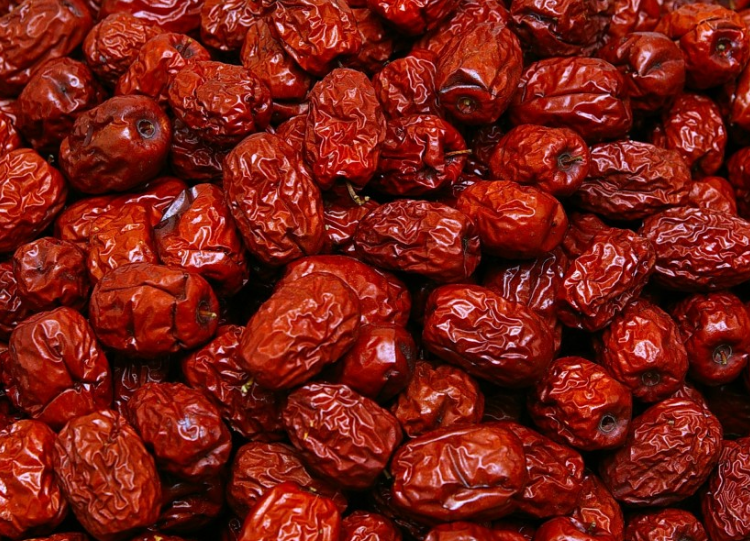
I. What benefits and effects does Jinsixiao jujube have?
1. Lowers blood pressure and lowers cholesterol
The vitamin P content in Jinsixiao jujube ranks first among all fruits and vegetables; it helps maintain capillary permeability, improves microcirculation, and thereby prevents arteriosclerosis. It can also regulate human metabolism, enhance immunity, resist inflammation, resist allergic reactions, lower blood sugar and cholesterol levels, and so on; the rutin it contains protects capillary patency and prevents increased fragility of blood vessel walls.
2. Protects and supports the liver
Jinsixiao jujube can enhance the phagocytic function of monocytes in the body and has the effect of protecting the liver and strengthening physical strength; the vitamin C in Jinsixiao jujube can reduce the damage of chemical drugs to the liver and also promotes protein synthesis and increases the total serum protein content.
3. Prevents osteoporosis
Jinsixiao jujube plays an important role in preventing and treating osteoporosis and anemia. Middle-aged and older people often develop osteoporosis during menopause, and adolescents and women at the peak of growth and development are prone to anemia; Jinsixiao jujube has a very ideal dietary therapeutic effect on them, and its effect is usually unmatched by drugs.
4. Prevents and treats cardiovascular disease
Jinsixiao jujube is rich in vitamin C and vitamin P, which are very beneficial for strengthening capillaries, maintaining the elasticity of blood vessel walls, and resisting atherosclerosis; Jinsixiao jujube contains cAMP, whose pharmacological effects include improving human microcirculation, dilating coronary arteries, increasing blood supply to the brain and heart, slowing heart rhythm, and reducing myocardial oxygen consumption to improve the metabolism of ischemic myocardium, so it can prevent and treat cardiovascular and cerebrovascular diseases.
5. Anti-cancer and cancer-suppressing
Jinsixiao jujube can improve human immunity and can also inhibit cancer cells. It can promote the production of white blood cells, lower serum cholesterol, increase serum albumin, and protect the liver. Jinsixiao jujube also contains substances that inhibit cancer cells and can even cause cancer cells to transform toward normal cells.
II. What nutritional value does Jinsixiao jujube have?
Jinsixiao jujube is rich in vitamins and also contains abundant protein, fat, crude fiber, phosphorus, calcium, iron, potassium, sodium, magnesium, chlorine, iodine, niacin, and various vitamins such as vitamin A and B1.
1. Jinsixiao jujube is very rich in nutrition. Fresh jujubes contain 20%-36% sugar, and dried jujubes contain 55%-80% sugar. It has a high calorie content and can be used as a substitute for grain; historically it was often used for disaster relief.
2. Its vitamin C content ranks among the top among fruits, reaching 0.1-0.6 grams per hundred grams, about 100 times higher than apples, peaches, and the like, and its vitamin P content also ranks first among all fruits.
3. The vitamin C in Jinsixiao jujube can reduce the damage of chemical drugs to the liver and also promotes protein synthesis and increases the total serum protein content.
4. Every hundred grams of fresh jujube contains 1.2 grams of protein, which is also almost the highest among fresh fruits. Dried Jinsixiao jujube has an extremely high calorie yield; every hundred grams of Jinsixiao jujube can produce about 1200-1300 kilojoules of heat, close to raisins, and its contents of protein, calcium, phosphorus, riboflavin, and niacin are higher than those of raisins. Therefore, people have always regarded red jujubes as an excellent tonic.
III. What is the difference between Jinsixiao jujube and Da Hong Zao?
1. Jinsixiao jujube evolved from wild jujube
Jinsixiao jujube is beautiful in color, has a small pit and abundant flesh, fine golden threads, and a sweet taste like nectar, and is rich in nutrition. It has long been known as a natural “vitamin pill” and is a very good tonic food. Jinsixiao jujube has a sugar content as high as 70-80% and is rich in multiple vitamins and minerals such as calcium, phosphorus, and iron. It has the functions of relaxing muscles and activating blood circulation, dispersing blood stasis and generating new tissue, opening the spleen and moistening the lungs, enhancing body immunity, and lowering cholesterol.
2. Da Hong Zao, also known as large jujube
China's herbal medicine book "Ben Jing" records that red jujube is sweet in taste and warm in nature, enters the spleen and stomach meridians, and has the functions of tonifying the middle and boosting qi, nourishing the blood and calming the mind, and moderating drug properties; modern pharmacology has found that red jujube contains rich nutritional components such as protein, fat, carbohydrates, organic acids, vitamin A, vitamin C, various trace amounts of calcium, and amino acids.
3. Differences between the two:
First, the size is different.
Second, the taste.
There are many different views on this. Large jujubes have more flesh, and small jujubes have less flesh. Those who like to eat one in a single bite will certainly say large jujubes are delicious.
But small jujubes are sweeter and more delicate, and those who like to savor them carefully will certainly discover that small jujubes have an excellent taste. Small jujubes are even better for making porridge.
Third, the effects.
In traditional Chinese medicine, purple jujubes are used as medicine regardless of size. Their functions and indications are exactly the same.
Large jujube: tonifies the middle and boosts qi, nourishes the blood and calms the mind. Used for spleen deficiency with little appetite, fatigue, and loose stools.
Small jujube: has the effects of tonifying and benefiting the spleen and stomach, nourishing yin and blood, nourishing the heart and calming the mind, and moderating drug properties. Both are good blood-nourishing products.
Fourth, price: compared with large jujubes, small jujubes are somewhat cheaper.
Jinsixiao jujube can be eaten in many ways. Besides eating them raw, they can also be boiled, made into soup, or used as an ingredient in stews, and can also be made into various traditional sweet and sticky foods. They can also be processed into candied jujubes, sugar jujubes, crisp jujubes, smoked jujubes, wine-soaked jujubes, jujube tea, jujube wine, and other popular flavored foods and drinks.
IV. Bonsai cultivation techniques for Jinsixiao jujube trees
1. Raising seedlings: cultivate Jinsixiao jujube seedlings in a nutrient solution so that they adapt to a hydroponic environment, with a pH value of 6.0-8.0; prune leaves and stems to form the shape required for the bonsai; when pruning, the whole tree should retain 5-8 main branches, distributed in 2-3 layers on the central trunk, with 4-5 main branches in the first layer and 2-3 in each layer above, and the spacing between layers should be kept at 0.2 m-0.4 m. A large number of jujube spurs can form on the surrounding other jujube heads and permanent secondary branches, and attention should be paid to retaining them;
2. Bonsai shaping: shape the waste material produced when making foamed material, drill holes through to the bottom of the bonsai, and fill it inside with water-absorbing sponge;
3. Transplant the cultivated Jinsixiao jujube seedlings onto the shaped bonsai;
4. Place the bonsai transplanted with Jinsixiao jujube seedlings into a crafted pot with a design, add cultivation soil containing base fertilizer to the crafted pot, then water thoroughly for the first time; after ten days, water once every five days so that the plant always has sufficient moisture;
Wherein, the base fertilizer comprises, by parts by weight of raw materials: 2-5 parts rapeseed cake, 5-10 parts castor cake, 3-12 parts peanut stalks and shells, 5-8 parts rotten grass and leaves, 1-3 parts distiller's grains, 15-20 parts dried pollution-free pond mud, 15-20 parts organic fertilizer fermentation agent, 2-5 parts urea, 4-8 parts diammonium phosphate, 1-5 parts potassium chloride, 7-10 parts amino acid chelated iron, and 3-5 parts amino acid chelated calcium. The above raw materials are crushed, fully mixed, and placed in a fermentation box to ferment, thus obtaining the base fertilizer applied to Jinsixiao jujube seedlings.