-
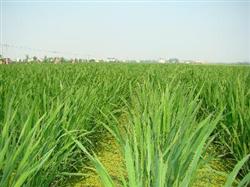
Occurrence Characteristics of Pests and Diseases in High-Mountain Water Bamboo and Integrated Control Techniques
The key points of off-season cultivation techniques for double-cropping water bamboo at low altitudes are introduced as follows: 1. Selection of improved varieties. The Zhejiang Yidianhong water bamboo (a single-cropping type) is selected. 2. Land preparation and seedling raising. Select a field sheltered from wind and facing the sun, with convenient irrigation and drainage and loose, fertile soil, as the seedling bed. In early November, sun-dry the seedlings until they are 60-70% dry, 1...
-
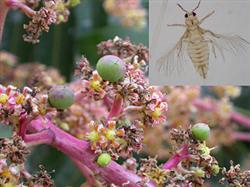
How to prevent and control diseases and pests during the mango flower spike stage? A detailed practical guide
After mango flower spikes are damaged by diseases and pests, the spikes become deformed, flower quality declines, buds drop, flowers dry up, and they cannot bloom or set fruit. The control methods for the diseases and pests harming mango flower spikes are as follows: 1. Anthracnose Anthracnose is the most serious disease harming flower spikes. It strikes as soon as the flower spikes emerge, first appearing as black...
-
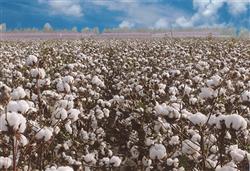
What are the integrated control techniques for cotton pests and diseases?
Topdressing is an important measure for cotton to set more bolls, set large bolls, reduce shedding, and increase yield. However, if topdressing is not done scientifically, it will not achieve the desired effect and sometimes may even produce side effects. In production, cotton topdressing has the following four key points. First, topdress according to the fertilizer requirement pattern. At different growth stages, cotton has different requirements for fertilizer...
-
Countermeasures for preventing seedling diseases from pre-sowing to seedling stage in cotton
Cotton seedling diseases mainly include damping-off, anthracnose, Pythium blight, root rot and more than a dozen others, collectively known as cotton seedling diseases. In mild cases, growth is slow, plants wilt and develop late; in severe cases, there are gaps and broken rows in the field, with plants dying in patches, causing tremendous damage. After cotton seedlings become diseased, although a series of disease prevention and treatment measures have been taken, such as timely ventilation of plastic-film cotton, intertillage near the roots...
-
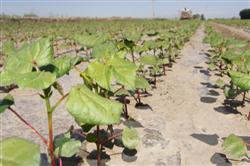
How to comprehensively prevent and control cotton seedling diseases? Master these key points
There are many types of cotton seedling diseases, and they cause severe damage. Among them, the most common and most damaging are damping-off and anthracnose. The incidence rate is generally 20%-30%, and in severe cases reaches 50%-90%. Especially with low temperatures and continuous rain in early spring, cotton seedlings grow weakly and emerge slowly, making them highly susceptible to infection by pathogens, causing large numbers of rotten seeds, diseased seedlings...
-
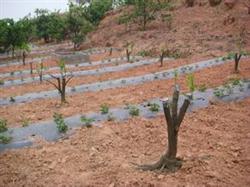
Detailed Explanation of Control Methods for the Three Major Diseases of Navel Orange
When navel orange was top-grafted onto mature Satsuma mandarin trees, the fruiting characteristics appeared normal in the first two years, but thereafter varietal degeneration symptoms appeared year by year: shorter shoots, smaller leaves, lighter leaf color, weaker tree vigor; lower fruiting rate, smaller fruit size, dull and lusterless peel, weaker flavor, and declining fruit quality. In production practice...
-

What are the common diseases of oilseed rape? Detailed explanation of control methods
Common diseases of oilseed rape and their control
-
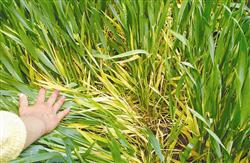
Control methods for common pests and diseases of wheat in spring
Spring is a critical period for wheat growth and also a time when diseases and insect pests occur frequently. Therefore, spring management of wheat should pay attention to the prevention and control of pests and diseases. Below are several common wheat pests and diseases in spring and their control methods: Wheat rust and powdery mildew: in areas where the disease is severe and obvious disease centers have formed, spray pesticide promptly,...
-
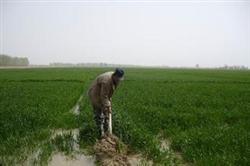
Early prevention and early treatment of wheat pests and diseases in spring is key
From the perspective of water conservation, it is recommended to water wheat twice in spring. For wheat fields that have normal growth after winter irrigation, if the soil moisture is good, the green-up water can be skipped. The first spring watering of wheat should be at the stem elongation to jointing stage (late March to early April), and the second spring watering at the heading to flowering stage (late April to early May). The specific watering time...
-
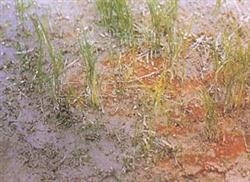
Green control methods for rice diseases, insect pests and weeds
Rice seedling rot refers to the death of rice seeds and seedlings during the seedling-bed stage (that is, seed rot, bud rot and seedling death), and can be divided into two major categories: physiological and infectious. Physiological seedling rot refers to that caused purely by adverse environmental conditions; infectious seedling rot mostly refers to adverse environmental conditions inducing weakly parasitic fungi such as Pythium, Achlya, Fusarium and Rhizoctonia...
条件筛选