Countermeasures for preventing seedling diseases from pre-sowing to seedling stage in cotton
Cotton seedling diseases mainly include damping-off, anthracnose, Pythium blight, root rot and more than a dozen others, collectively known as cotton seedling diseases. In mild cases, growth is slow, plants wilt and develop late; in severe cases, there are gaps and broken rows in the field, with plants dying in patches, causing tremendous damage. After cotton seedlings become diseased, although a series of disease prevention and treatment measures have been taken, such as timely ventilation of plastic-film cotton, intertillage near the roots...
Cotton seedling diseases mainly include damping-off, anthracnose, Pythium blight, root rot and more than a dozen others, collectively known as cotton seedling diseases. In mild cases, growth is slow, plants wilt and develop late; in severe cases, there are gaps and broken rows in the field, with plants dying in patches, causing tremendous damage. After cotton seedlings become diseased, although a series of disease prevention and treatment measures have been taken, such as timely ventilation of plastic-film cotton, intertillage near the roots, and spraying of sterilizing pesticides combined with foliar fertilizer, the final seedling performance is still unsatisfactory, putting pressure on seedling stage management. The author believes that adopting effective response techniques from pre-sowing to seedling stage is the powerful measure for preventing the occurrence of seedling diseases.
The occurrence of cotton seedling diseases is closely related to weather changes, soil conditions and incorrect human practices. The sudden onset of late spring cold, adverse weather with low temperature and scant sunlight, continuous cropping for many years, diseased cotton fields with a large pathogen base, incorrect variety selection, poor resistance, sowing too early, poor seed coating quality and other human factors are all main causes of cotton seedling disease. At the same time, it is also related to incompatibility with the traditional cotton cultivation system. This year's first late spring cold occurred on February 4, the very day of the Beginning of Spring solar term. Before that, it was in the period of the fifth nine-day cold spell, with temperatures rising and the surface thawing, and the minimum temperature was around 0°C. However, in the early morning of February 5, the minimum temperature dropped to -9°C, and rain, snow, overcast skies and low temperatures persisted for as long as 10 days, which is rare in recent years. Although this just-passed late spring cold did not affect open-field crops, it also sounded a warning bell for us that adverse weather such as late spring cold, cloudy and rainy days with scant sunlight, and low temperature with high humidity will occur in March and April. Therefore, it is recommended that the majority of cotton farmers face this with the mindset of "better to believe it exists than not," adopt response measures, and prevent severe occurrence of cotton seedling diseases, focusing on the following five technical improvement measures.
First, focus on promoting the planting of medium-maturity varieties with strong resistance to diseases and seedling diseases, good yield and comprehensive traits, and especially pay attention to promoting varieties with steady early growth, outstanding disease resistance and strong late-stage vigor, such as the Nonghua Shikang 126 variety.
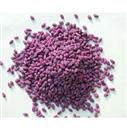
Second, recognize company brands and pay attention to the quality of seed coating agents to ensure full stands in one sowing without seedling diseases. Nowadays, very few cotton farmers still use self-saved seed and self-coated seed. Most cotton farmers buy varieties they trust and that are the latest promoted varieties from seed companies they consider reputable. Some cotton farmers, however, buy seeds of unknown origin from peddlers going from village to village in order to save money and effort. The quality of these counterfeit varieties and their coating agents is not guaranteed. The author suggests not buying them casually, as this will affect your seedling stage growth and your whole year's harvest.
Third, use scientific formulas and balanced fertilization, vigorously promote deep plowing in alternate years, increase the application of organic fertilizer and other measures, gradually thicken the active soil layer, build up soil fertility, and adhere to the fertilization principles for cotton fields, namely, combining nitrogen and phosphorus, increasing potassium and supplementing micronutrients, applying heavy base fertilizer, and highlighting the promotion and application of slow-release long-acting zinc-containing compound fertilizer. With a premise of applying 40 kg per mu of high-nitrogen, high-potassium, medium-phosphorus, zinc-containing compound fertilizer as base fertilizer, then topdressing 15 kg of urea at the early flowering stage or full flowering stage. From seedling stage to boll-opening stage, spray quality-guaranteed foliar fertilizer well.
Fourth, too early sowing of cotton is the main factor leading to premature senescence of cotton and severe black boll and boll rot in the later stage, and it is also very prone to causing seedling diseases. For this reason, it is recommended to appropriately postpone the sowing time of plastic-film cotton. In normal years, April 22 to 30 is suitable, and no later than May 5, gradually reversing the practice of too-early sowing. For late-sown cotton fields, pay attention to timely ventilation and seedling release. Prevent seedling burning due to high temperature, and for cotton fields with excessive vigor at the late seedling stage, pay attention to slight control at the seedling stage to prevent excessive vegetative growth.
Fifth, strengthen integrated control of seedling stage diseases, persist in multiple intertillages, increase intertillage width, keep close to the plastic film, increase soil permeability, and gradually deepen the middle of the rows by more than 10 cm. Intertillage can promote the base of the cotton stem to lignify as quickly as possible, and is an effective measure for controlling seedling stage damping-off. In addition, spraying high-quality foliar fertilizer at 600 times dilution once every 7 days has an effect on promoting early development of cotton growth that cannot be underestimated. For both, not only the frequency but more importantly the quality of application matters.