Early prevention and early treatment of wheat pests and diseases in spring is key
From the perspective of water conservation, it is recommended to water wheat twice in spring. For wheat fields that have normal growth after winter irrigation, if the soil moisture is good, the green-up water can be skipped. The first spring watering of wheat should be at the stem elongation to jointing stage (late March to early April), and the second spring watering at the heading to flowering stage (late April to early May). The specific watering time...
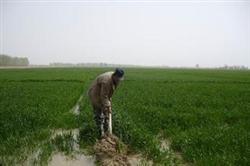 Birds sing and flowers bloom, and all things revive. As temperatures rise, various wheat pests and diseases begin to cause damage and spread one after another, directly affecting the normal growth of wheat. Seizing this favorable opportunity not only lays a solid foundation for future integrated control, but also has a doubly effective result for controlling some systemic infectious diseases and seedling-stage pests and diseases.
Based on past occurrences of pests and diseases, it is expected that this year's wheat pests and diseases in Xinzheng City will mainly be wheat sharp eyespot, powdery mildew, aphids, red spiders, and wheat blossom midges. Farmers should make control plans early.
According to relevant experts from the city's Agriculture Committee, spring wheat pest and disease control should pay attention to the following points: first, do a good job of early spring chemical weeding, and according to the actual situation of weed density and weed types, select the right pesticides, use appropriate doses, and scientifically carry out weed control in wheat fields; second, carry out fertilizer and water management in a timely manner, promote weak seedlings to grow early and increase tillering, and carry out deep intertillage in fields with vigorous seedlings; third, spring wheat field pests and diseases occur in many types and cause damage for a long time, so apply pesticides scientifically according to pest and disease control thresholds, and carry out timely and effective prevention and control; fourth, in the middle and late stages, adopt the method of scientifically preparing and mixed spraying of fungicides, insecticides, and plant growth regulators or foliar fertilizers, and carry out early prevention at the right time, so as to achieve the effect of both preventing diseases and controlling pests and preventing natural disasters such as "dry hot wind."