How much is peanut vine now per ton? Uses and treatable diseases explained
Peanut vine, also called peanut haulm, peanut straw, peanut pod vine, is not only rich in nutrients but also low in price and soft in texture, and can be eaten by livestock and poultry. So what is the market price of peanut vine per ton? What are its uses? What diseases can it treat? From a livestock and poultry breeding base in Shandong we learned that the price of peanut vine is 600-700 yuan, and prices in different regions will vary slightly, so the actual local price should be taken as the standard.
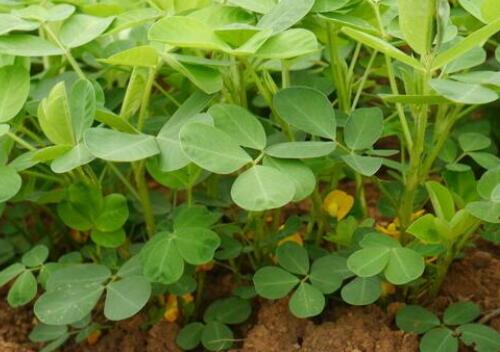
What uses does peanut vine have?
Peanut vine is rich in nutrients; its crude protein content is 1.6 times that of pea vine and 6 times that of rice straw. The energy produced by livestock and poultry eating 1 kg of peanut vine is equivalent to the energy produced by 0.6 kg of barley. Generally, 300 kg of peanuts produced per mu can yield 300 kg of peanut vine, and when used to feed livestock it is equivalent to the feeding effect of 180 kg of barley. At the same time, peanut vine is not only rich in nutrients but also low in price and soft in texture, and can be eaten by livestock and poultry.
What diseases can peanut vine treat?
It can treat insomnia and also has a certain effect on lowering blood pressure.
Dietary therapeutic effects of peanut vine: boiling peanut vine and peanut shells in water and drinking it as tea has the effect of lowering blood pressure and calming the nerves.
Method:
Put 250 grams of peanut vine into a pot, add water to cover it by 2-3 cm, and decoct over heat. After the water boils 3 times, decoct over low heat for another 10 minutes, then pour the decoction into 6 small teacups. Take one cup each morning and evening for three consecutive days, and the insomnia symptoms will be cured. (For reference only)
Attachment: Silage method for peanut vine
1. Harvesting and transport: Peanut vine cannot be directly eaten by animals as food; it needs to be processed in a certain way to increase its digestibility and absorption rate. Processed peanut vine can also improve the comfort of the taste. This requires timely harvesting after the peanuts mature and timely transport of the peanut vine to the silage site to prevent water evaporation caused by too long a delay.
2. Crushing and cutting short: Crush the peanut vine or cut it into small pieces of 2-3 cm, so as to facilitate trampling firm, pressing tight, and expelling air when loading into the silo. At the same time, settling is also more uniform, nutrient loss is less, and it is also beneficial to the growth of lactic acid bacteria, accelerating the silage process.
3. Mixing materials and loading into the silo: For every 5 tons of peanut vine, use 1 kg of silage fermentation agent. Dilute and mix the fermentation agent with rice bran at about 1:10, adjust the moisture to 60-70%, and then begin loading into the silo. While loading the peanut vine, spread the fermentation agent, trampling as you load, and the firmer the edges are trampled the better.
4. Sealed fermentation: The fermentation process should ensure good sealing. When making silage by the plastic film covering method, attention should be paid to covering with soil or other heavy objects after the final plastic film cover. The film should be strictly sealed to prevent air leakage. Generally, fermentation can be completed in 3-4 weeks.