A Complete Guide to Common Pests and Diseases of Gardenia and Their Control Methods, Worth Saving
Gardenia flowers are pure white and elegant, with a rich yet refined fragrance, calm and cool, like wisps of breeze blowing through midsummer, and are deeply loved by people. So what are the common pests and diseases and their control methods in the process of growing gardenias?
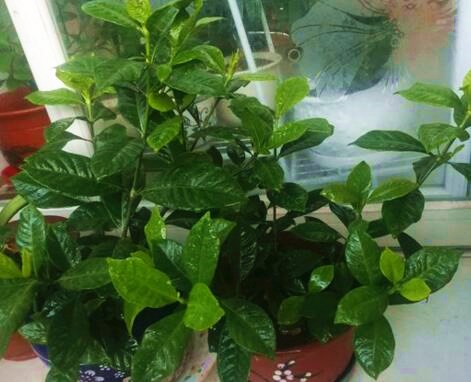
I. Gardenia leaf spot disease
1. Symptoms
Leaf spot disease is a disease caused by fungi and mainly harms the leaves of gardenia. When it occurs, the plant develops round lesions 2-4 cm in diameter, yellow-brown in color, and many small black spots appear along the leaf edges. A humid environment for the gardenia increases the likelihood of this disease occurring.
2. Control methods
During care, pay attention to ventilation and light transmission, water moderately, reduce air humidity, and if conditions allow, the plant can be placed outdoors for care.
In the early stage of the disease, promptly remove the diseased leaves to prevent contagion. Separate the infected gardenia from other plants to avoid cross-infection.
When the disease occurs, spray Bordeaux mixture or zineb solution to kill it, spraying once every 7-10 days; 3-4 consecutive treatments can cure it.
II. Gardenia chlorosis
1. Symptoms
Gardenia chlorosis is a physiological disease that harms the leaves of gardenia. When it occurs, the leaves gradually turn yellow, the plant's growth slows, and it gradually wilts.
2. Control methods
If the plant is found to be turning yellow, spray a 0.2-1% ferrous sulfate solution on the leaf surface or pour it at the roots; when pouring at the roots, the concentration can be adjusted higher. Choose the spraying time after the morning dew has dried completely, and let it get sunlight after watering (spraying). If the plant's yellowing is severe, it can be sprayed once a week, but the spray concentration must be controlled to avoid burning the roots. After a period of time, the plant's leaves will gradually turn green and return to normal.
To avoid yellowing of the plant, during the gardenia's growth period from April to August each year, preventively spray a 4-5 ferrous sulfate solution.
III. Gardenia sooty mold
1. Symptoms
Sooty mold mainly occurs between the branches and leaves. When it occurs, brown-white lesions appear on the branches and leaves, the branches stop growing, and the plant gradually wilts.
2. Control methods
When the disease occurs, promptly wipe with clean water to remove the white fungal matter on the branches and leaves. Or spray 1000-1200 times diluted carbendazim and Baume degree lime sulfur mixture for comprehensive control.
IV. Gardenia rot disease
1. Symptoms
Gardenia rot disease mainly harms the main trunk of the gardenia. When it occurs, the lower part of the plant's main trunk shows stem enlargement and splitting, and the main trunk gradually shrinks and rots.
2. Control methods
After the flowers fall, prune promptly and cut off withered branches. Also thin out branches to reduce nutrient consumption and promote the growth of the main trunk.
If stem rot is found, promptly scrape off the rotten part and apply 5-10 degree lime sulfur mixture several times.
V. Gardenia pests
The pests that harm gardenias include aphids, flea beetles, and hawk moth larvae. For the first two, dimethoate and trichlorfon can be used; for the latter, 666 powder can be used for control or they can be caught by hand. In addition, when gardenias are kept indoors in winter with poor ventilation and too high temperature and humidity, they are prone to damage by scale insects, accompanied by sooty mold. Scale insects can be scraped off with a bamboo stick or small brush, or sprayed with No. 20 petroleum emulsion plus 100-150 times water for control.