-
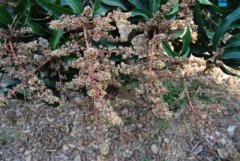
Symptoms and Control Methods of Mango Powdery Mildew
What do the symptoms of mango powdery mildew look like? What are the ecological causes of its occurrence? How should it be controlled, and what are the control methods? Symptoms: This disease can occur on mango inflorescences, young leaves, young fruit and young stems. Generally, a powdery fungal growth can be seen on the affected parts. On young stems and leaves, small lesions in the early stage are surrounded by a brown ring; later the lesions merge into large white patches, which then gradually turn blue-purple. Severely affected young stems and leaves often become deformed; when the lesions continue to develop and encircle the flower stalk, the small fruit on it will begin to turn yellow and drop, so a severely affected mango tree will bear no fruit at all. In the later stage of the disease, the fungal growth at the lesions turns grayish-black. After fruit that has previously been affected develops and grows, a purple network pattern appears on the surface, affecting the commercial value of the fruit.
-

What are the common pest and disease control methods for goldenrod?
Common pest and disease control methods for goldenrod
-
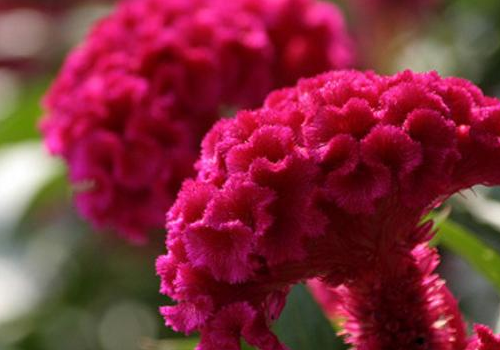
What diseases can cockscomb cure? What is the market price per jin of its seeds
Cockscomb (Celosia cristata) is an extremely beautiful flower, and it is extremely well suited to being grown in courtyards. So what diseases can cockscomb cure? What is the market price per jin of its seeds: What diseases can cockscomb cure: Although there is damp-heat in the body and external invasion of damp pathogens, when liver qi is stagnated, the liver wood will overcome the spleen earth
-
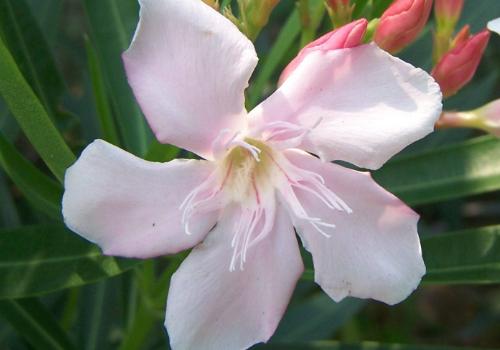
Oleander Planting Methods and Pest and Disease Control Tips
Oleander is a flowering plant that loves fertilizer and water, and prefers neutral or slightly acidic soil. So how do you grow oleander? How do you control oleander pests and diseases? How to grow oleander: Pruning. The upper branches of oleander have a characteristic of splitting from one into three. You can prune and shape it as needed. If you want a three-fork nine-top shape, you can cut off a portion from the top of the three forks.
-

-
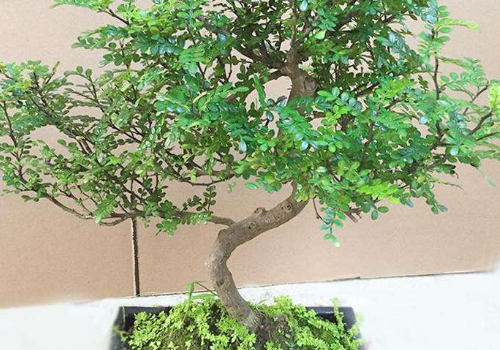
What to Do When Pepper Tree Leaves Turn Yellow and Drop? Common Disease Identification and Control
When watering the pepper tree, you must pay attention to the amount and frequency. What are the common diseases of the pepper tree? What to do when leaves turn yellow and drop: What are the common diseases of the pepper tree: Actually, the pepper tree has relatively few diseases, and anthracnose is the common one. In the early stage of anthracnose,
-
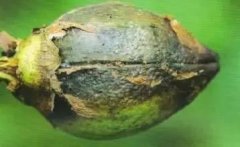
Common diseases of cotton bolls and control methods for cotton boll blackening
Do you know what diseases can occur during cotton cultivation? Below we introduce the most common cotton boll blackening disease. Do you know this disease? What do the symptoms of this disease look like on cotton? What are the control methods? Let's take a look together.
-
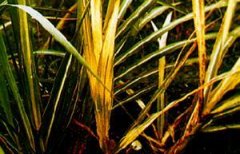
Introduction to the symptoms and control methods of sugarcane white stripe disease
Do you like eating sugarcane? Would you like to learn about the pests and diseases of sugarcane? Below is an introduction to one of the sugarcane diseases, white stripe disease. It mainly covers the symptoms, disease ecology and control methods of white stripe disease. Let's take a look. Symptoms: This disease has chronic and
-
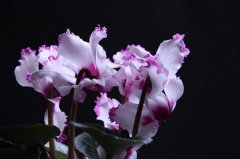
Control Methods for Phytophthora Blight, a Disease of Cyclamen Pests and Diseases
An introduction to the symptoms and control methods of Phytophthora blight, a disease of cyclamen pests and diseases. Symptoms: the heart bud and the base of the plant are affected. In the early stage of infection, the plant's leaves droop, the petiole and peduncle tissue near the tuber fade and become constricted, and the leaves and flowers wilt and fall over. The heart bud turns brown and withers. The underground tuber
-

Introduction to the Symptoms and Control Methods of Seedling Blight in Calla Lilies
What do the symptoms of seedling blight in calla lilies look like, what are the transmission routes, and how do we go about controlling this disease? Let's take a look together. Symptoms: It causes rot of the bulb sprouts, browning of seedling leaves, and shriveling and curling. When the sprouts are not damaged, they can still grow normally; if the affected leaves dry up and wrap around the terminal bud, it causes stunting or poor stem emergence. Besides damaging the leaves, this fungus can also harm the base of the stem, causing browning symptoms at the sprouting sites and forming wounds that facilitate further damage by bacterial soft rot.
条件筛选