-
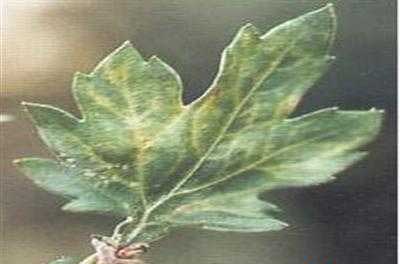
What are the harmful symptoms of chrysanthemum virus disease?
Viral disease is an important disease in chrysanthemum cultivation, with a wide distribution range. It occurs throughout China. Chrysanthemum viral diseases include chrysanthemum infertility virus, chrysanthemum mosaic disease, chrysanthemum malformation disease, and others. 1. Chrysanthemum infertility virus disease, whose pathogen is Tomato aspermy virus
-

What is the disease pattern of root rot in fuchsia?
Root rot is a physiological disease of fuchsia. Fuchsia likes a cool, moist, semi-shaded, well-ventilated environment, is not tolerant of hot, high temperatures, and dislikes extreme summer heat and stuffiness. The optimal growth temperature is 15 to 25 degrees, and when the temperature exceeds 30 degrees it enters a semi-dormant state. In cultivation, improper water and fertilizer management
-
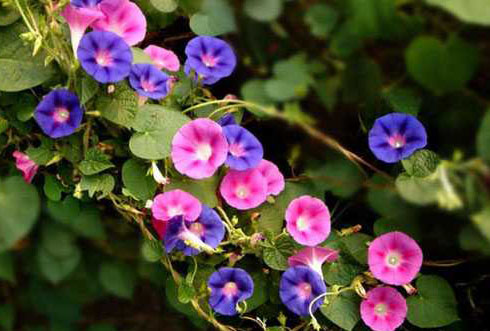
Detailed Guide to Pest and Disease Control Methods for Morning Glory
Pest and Disease Prevention for Morning Glory: [Symptoms] The affected parts are mainly leaves, leaf stalks and tender stems. On affected leaves, small light green spots appear initially. They gradually turn pale yellow with indistinct edges, and in severe cases expand into large lesions. Later, white scar-like protrusions form on the underside of the diseased area, and when they rupture, a white powdery substance is released.
-
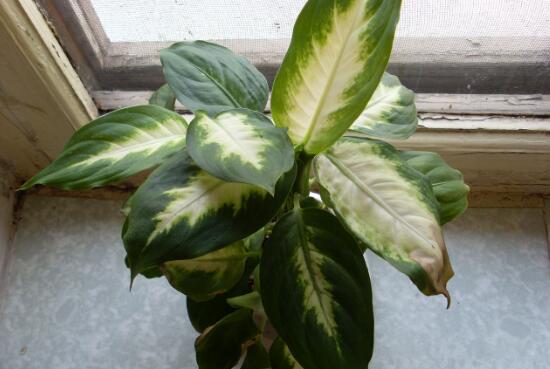
What to do when Dieffenbachia leaves go soft? Control water, fertilize, spray for disease prevention
Dieffenbachia (Dieffenbachia seguine), an elegant indoor foliage plant, has broad leaves covered with many different spots, and the colors are bright and intense, making it look very beautiful. In daily life, Dieffenbachia is kept in many people's homes, but quite a few flower growers run into the phenomenon of leaves going soft, which seriously affects its ornamental value
-
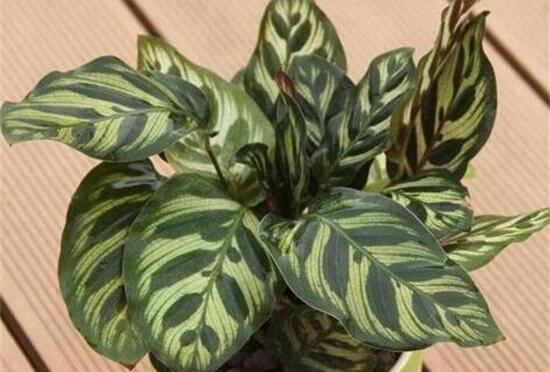
What to Do When Calathea makoyana Leaves Curl? Adjust Temperature, Increase Humidity, and Water Moderately
For Calathea makoyana, those who have seen it should be deeply impressed. Its leaves are not only evergreen all year round, but also bear a peacock feather pattern, which is truly remarkable. Because of its ornamental value, many people keep Calathea makoyana at home, but as they care for it, its leaves start to curl. What is going on here?
-
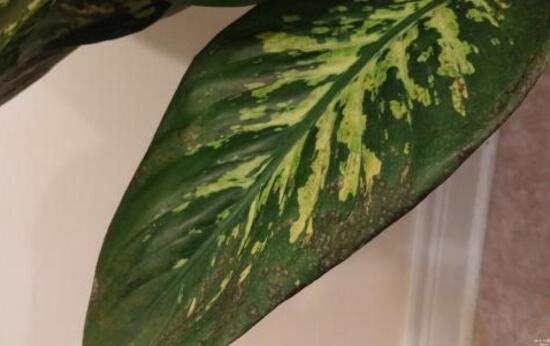
What to do when Dieffenbachia leaves turn yellow? Adjust temperature and fertilize sensibly and prevent pests and diseases
Dieffenbachia, a beautiful foliage plant, has emerald green leaves that stay evergreen all year round, and with spots in different shades, it really looks extremely beautiful. But during cultivation, due to improper care, many flower lovers' Dieffenbachia develops yellow leaves. So what should be done when Dieffenbachia leaves turn yellow
-
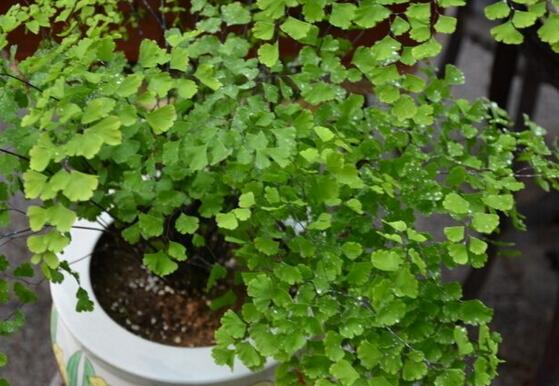
How to care for maidenhair fern in winter: temperature above 10°C / increase light but avoid strong light / stop fertilizing
Through the cultivation methods of maidenhair fern, we know it likes a warm, humid environment, but because its cold tolerance is rather average, how to care for it in winter has become a concern for many flower lovers, since it determines whether the maidenhair fern's leaves can stay fresh and green
-
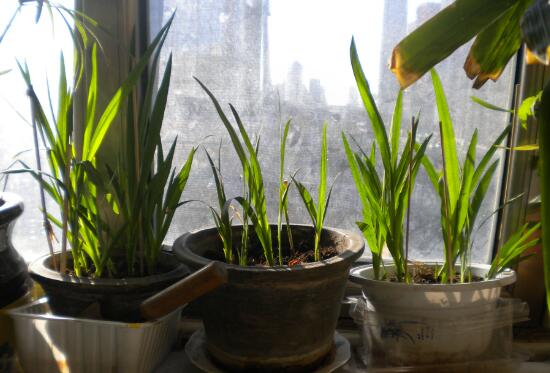
What to Do When Freesia Won't Bloom? Adjust Temperature, Increase Light, Spray to Treat Mosaic Virus
Freesia, a flower with remarkably strong properties, not only blooms beautifully but can also be used medicinally to treat illness, making it especially endearing. However, although freesia's benefits are strong, those who grow it are basically all doing so to see its beautiful flowers. Yet during cultivation, many growers find their freesia won't bloom. Why is that? Today
-
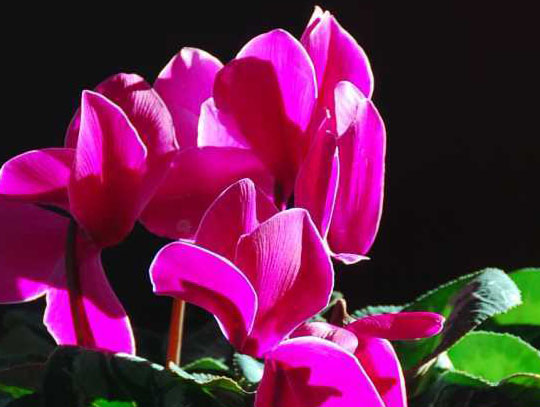
Cyclamen Pest and Disease Control Methods and Key Technical Points
(1) Root-knot nematode disease. Nematodes invade the roots of seedlings, producing many galls of various sizes on the main and lateral roots. The nematodes feed on sap inside the galls, causing the fine roots to swell and rot, and the above-ground parts to wither and die. Control methods: ① Disinfect the soil before planting; first stir-fry the soil in an iron wok for 40 minutes
-

What are the control methods for tulip viral diseases?
Viral disease is one of the main causes of germplasm degeneration in tulips. There are many kinds of viruses that harm tulips, the most common being mosaic virus and color-breaking virus. Plants infected with mosaic virus develop yellow stripes or finely speckled spots on the leaves and dark spots on the petals, and in severe cases the leaves rot
条件筛选