-

What are the control methods for crown gall disease in flowers?
Crown gall disease is also known as crown gall. In flowering cherry (Prunus serrulata) and Chinese rose (Rosa chinensis), crown gall mainly occurs at the root collar, but can also occur on the roots and aboveground parts. In the early stage of the disease, small nearly round tumor-like growths appear, which gradually enlarge and harden, with a rough, cracked surface; the color changes from light to dark brown or blackish brown, and the interior of the gall becomes lignified. The galls vary in size
-
How to prevent and control common pests and diseases of the Radermachera sinica (China doll tree)?
The scientific name of the China doll tree is Radermachera sinica. It prefers a high-temperature, high-humidity environment with plenty of sunlight. It tolerates high temperatures but fears cold, prefers moisture and dislikes dryness. For cultivation, use loose, fertile, well-drained loam and sandy loam rich in organic matter. The flowering period is from May to September, and the fruiting period is from October to December.
-
How to prevent and control pests and diseases in an organic garden? These key technical points must be mastered
I kept saying I would write a pest control article, but because the chance of pests when growing at home is not high, I rarely have the opportunity to take photos of pest damage. So far I have only photographed red spider mites and aphids. Even whiteflies did not pay a visit this time, let alone leaf miners. So I am very sorry that there are very few self-taken photos of pests and diseases
-
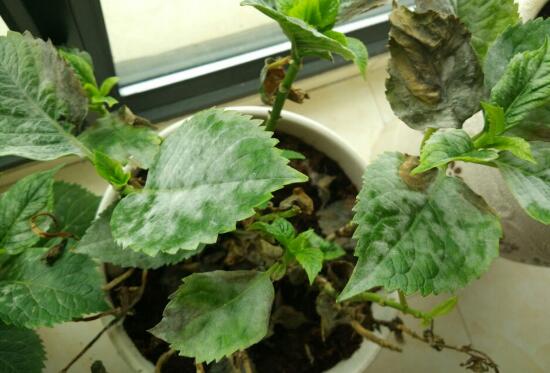
What to do when hydrangea leaves turn yellow? Increase light, adjust temperature, spray to prevent pests and diseases
Hydrangea, also known as Ziyang qinhua or hydrangea, originated in China during the Ming and Qing dynasties and has high ornamental value. The hydrangea has luxuriant branches and leaves, is extraordinarily beautiful and elegant, and its flowers are pure white, full, large and beautiful, delighting the eye and refreshing the mind. It is a common ornamental shrub. The lenticels are obvious, and the leaves are large and slightly thick
-
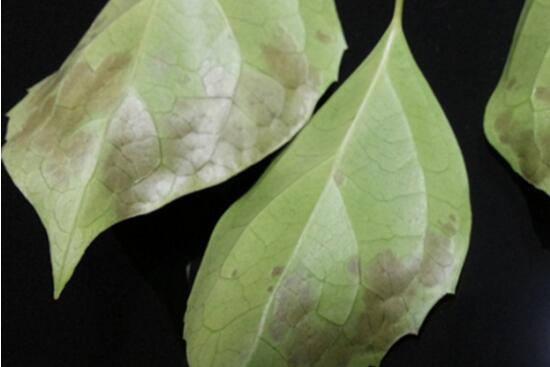
What to do when the leaves of a Radermachera sinica turn black? Cut off the black leaves, repot, and spray to prevent pests and diseases
Growing plants at home has now become a popular trend, and Radermachera sinica has become the choice of many people because of its beautiful name, graceful form, and emerald-green leaves. In daily life, although Radermachera sinica is easy to grow, if you are not careful, its leaves will turn black. So what should you do when the leaves of Radermachera sinica turn black
-
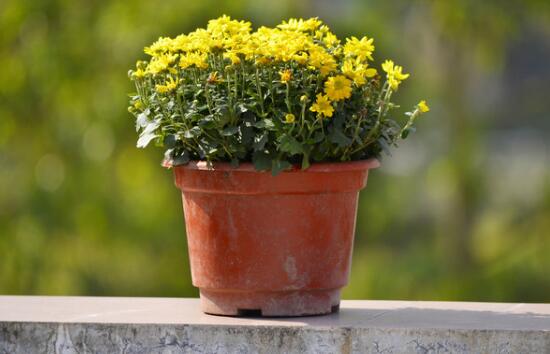
What to Do When Chrysanthemum Leaves Turn Yellow? Control Watering and Fertilizing, and Spray Pesticides to Prevent and Control Pests and Diseases
As one of China's top ten famous flowers, chrysanthemums are potted at home by many flower lovers because of their beautiful flower shapes and bright colors. However, many beginners encounter yellowing chrysanthemum leaves while growing chrysanthemums, which greatly reduces the ornamental value of chrysanthemums. So what should be done at this time? In response
-
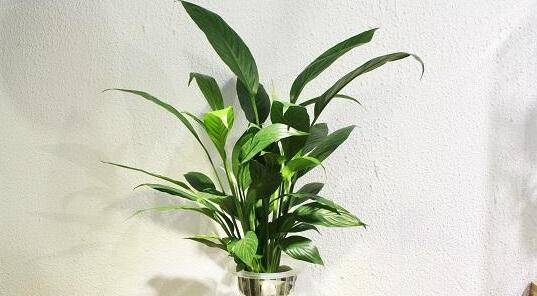
How Does a Peace Lily Survive Winter? Master the Four Steps: Keep It Warm, Water Less, Stop Fertilizing, Increase Light
The peace lily has poor cold tolerance. It grows very slowly in environments below 10 degrees, and if the temperature drops even lower, it may suffer frost damage or even die. So how a peace lily survives winter is a concern for many people. In fact, doing four things well can easily solve this problem.
-
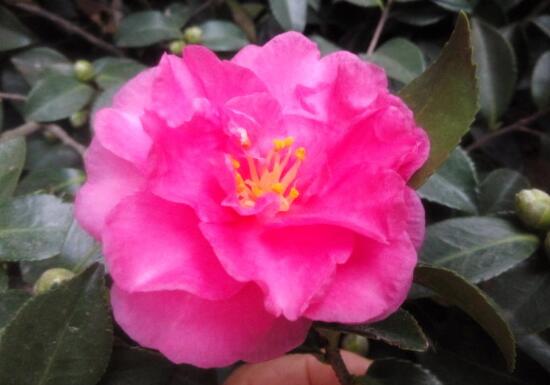
What to Do When Camellia sasanqua Loses All Its Leaves? Frequent Watering, Frost Protection, and Pest and Disease Control Are Key
Camellia sasanqua, which many people should recognize, combines the merits of camellia and beauty, making it a very beautiful flower. However, because many people do not follow the proper cultivation methods for Camellia sasanqua, various problems arise, such as yellowing leaves and leaf drop. So what should you do when Camellia sasanqua loses all its leaves?
-

What to Do When Wax Begonia Gets Damping-Off Disease? A Detailed Guide to Prevention and Control Methods
Damping-off disease in wax begonia (Begonia semperflorens) is one of the common diseases of this plant, occurring both in flower nurseries and in home potted begonias. It mainly affects the stem base and the leaves near the soil surface. In the early stages of the disease, dark spots appear on the stem base near the soil surface, which expand and become brownish rot. Infected leaves develop dark green, water-soaked, round lesions
-
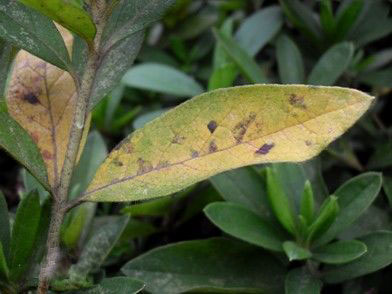
What to Do When Azaleas Get Brown Spot Disease? A Detailed Guide to Prevention and Control
Liu Maohua from Ji'an, Jiangxi: I have been growing azaleas for several decades and can grasp their growth habits, but once May to June arrives, they still frequently develop brown spot disease. I have tried many methods but it is hard to control. Are there any good tricks? Answer 1: The azaleas I grow have also had this problem, and spraying fungicides did not help either.
条件筛选