-

What are the common pests and diseases of gloxinia?
The main disease of gloxinia is stem-rot nematode disease, caused by nematode infection. It damages young stems, young plants, the stem portion at the soil surface and the base of the leaf stalks, appearing as water-soaked softening and rot. The diseased area gradually extends upward, spreading from the leaf base to the leaf blade; affected leaves shrivel, turn brown and die. In mature plants, damage starts at the leaf stalk and gradually spreads, without softening
-

What are the methods for controlling pests and diseases in rapeseed?
Pest and disease control methods for rapeseed
-
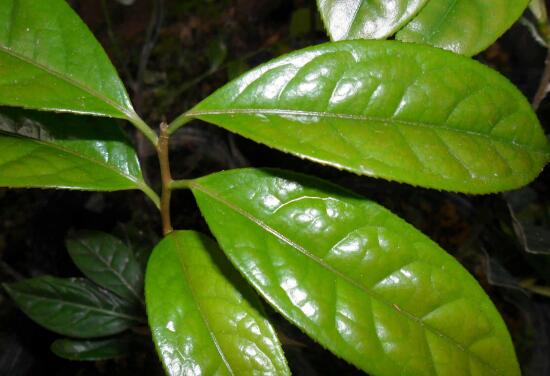
What to do when Camellia nitidissima leaves turn yellow? Pay attention to 6 points, increase light and change the potting soil
Camellia nitidissima, the twin sister of Camellia sasanqua and Camellia japonica, has graceful flowers and golden petals, and is known as the giant panda of the plant world. In daily life, because Camellia nitidissima has strong effects, many people keep it at home, but during cultivation, many of them encounter yellowing leaves. So what should be done when Camellia nitidissima leaves turn yellow?
-

A Complete Analysis of Common Disease Prevention and Control Methods for the Shaggy Mane Mushroom
Common Disease Prevention and Control Methods for the Shaggy Mane Mushroom
-

Detailed Guide to the Prevention and Control of Black Head Disease in Enoki Mushrooms
Prevention and Control Methods for Black Head Disease in Enoki Mushrooms
-
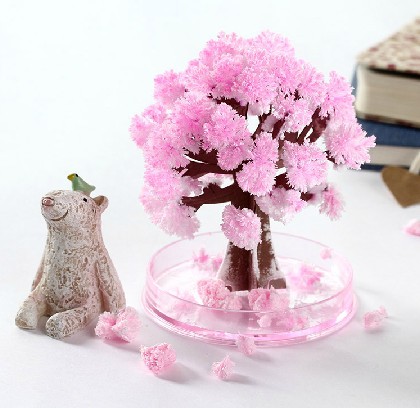
How to grow potted cherry blossoms? Management methods and pest and disease control techniques
Cherry blossoms can be grown in pots. In most regions of our country, cherry blossoms are suitable for ground planting and are rarely potted. Cherry blossom varieties suitable for potting include 'Xuri', 'Douying' (Fuji cherry), 'Yujin', 'Yuyihuang', and others. The following measures must be taken when growing potted cherry blossoms to achieve abundant flowers and lush foliage. Soil: For potted cherry blossoms, the first step is to prepare the soil.
-

Spring greenhouse cultivation of roses: beware of one disease and one pest
March and April are an important stage when roses in the greenhouse move from recovery into rapid growth, and also a period when various pests and diseases are relatively active. During this time, special attention should be paid to the prevention and control of downy mildew and red spider mites. Downy mildew is a greenhouse disease, prone to occur after the roses leaf out, and occasionally seen in open fields
-
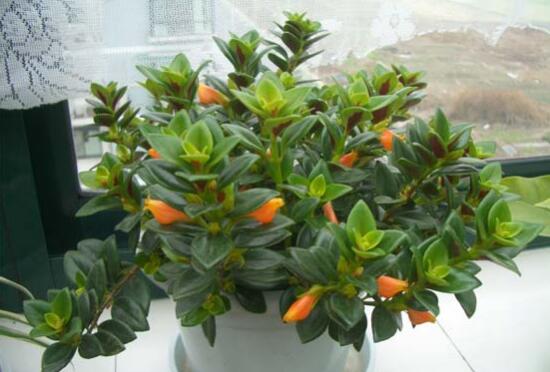
What to do when the goldfish plant drops its leaves? Shade it, adjust the temperature, and spray to prevent and control pests and diseases
The goldfish plant (Nematanthus gregarius), a common indoor potted plant, has emerald-green leaves and flowers shaped like goldfish, giving it extremely high ornamental value. In daily life, many people grow the goldfish plant, but during cultivation they often run into headache-inducing problems, such as the goldfish plant's leaves turning yellow and dropping
-
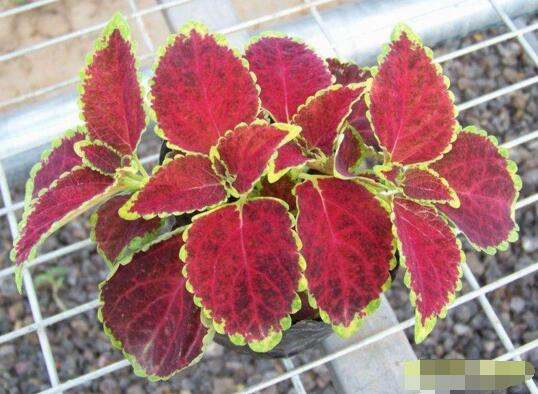
How does coleus get through the winter? Remember four tips: water less, stop fertilizing, increase light, control temperature
Because coleus is not a cold-tolerant plant, it needs proper care in winter to get through the winter smoothly. So how does coleus get through the winter? Besides the temperature not being too low, there are many other aspects that need attention. Let's take a look at how to grow coleus in winter
-
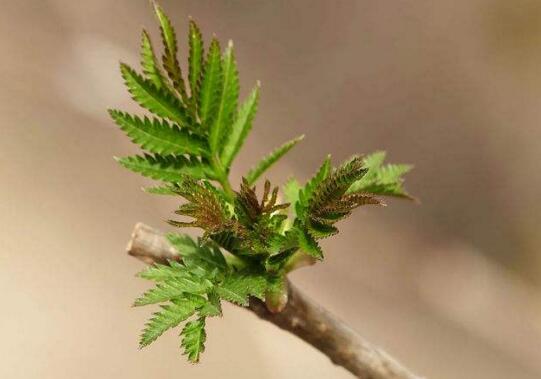
What to Do About Scorched Leaf Edges on the Flowering Almond: Apply Nitrogen Fertilizer / Increase Watering / Prune in Time
The flowering almond (Prunus triloba) is an ornamental plant of extremely high value, but some flower lovers encounter scorched leaf edges, which not only affects its appearance but also signals poor growth. So what should be done about scorched leaf edges on the flowering almond? Below, the editor will walk everyone through the causes and solutions.
条件筛选