-
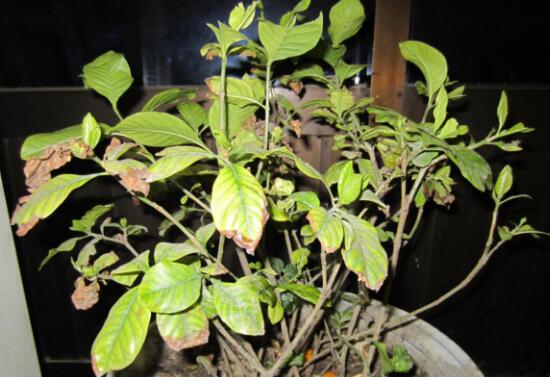
What to Do When Schefflera Leaves Turn Yellow? Master the Key Points of Watering, Fertilizing, and Spraying for Pest and Disease Control
Schefflera, a common indoor foliage plant, often appears on office workers' desks - you could say everyone has one. When your eyes feel strained from staring at the computer, looking at the schefflera's bright green, lovely leaves makes you feel much better. But once yellow leaves appear, all of that is ruined! So, what do you do when schefflera leaves turn yellow?
-
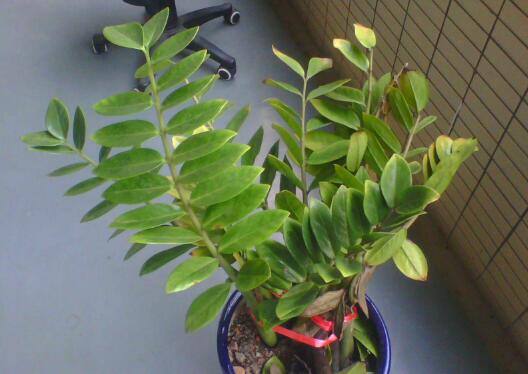
What to do when the leaves of Zamioculcas zamiifolia turn yellow? Replenish water, provide shade, control temperature, increase humidity, and prevent and treat pests and diseases
Among the functions and benefits of Zamioculcas zamiifolia, the most well-known is undoubtedly its ornamental value. It is an indoor foliage plant and carries an auspicious meaning, so many people choose to grow one at home. However, no matter how ornamental a plant is, if its leaves turn yellow, it will also affect its overall beauty
-
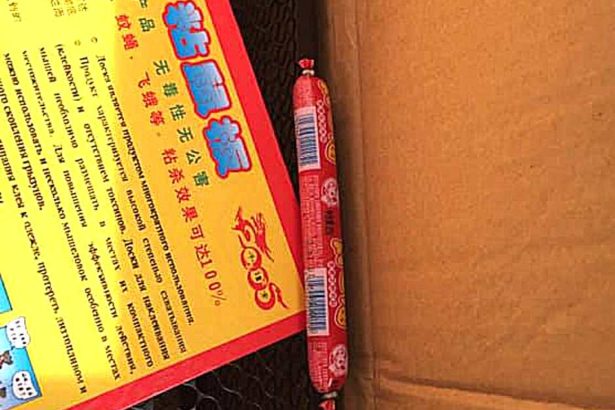
Unexplained Parcel Contained Contraband Meat from China; Kinmen Veterinarian Urges Handing It Over to Disease Control Authorities
Unexplained parcel turns out to contain contraband meat from China! Kinmen veterinarian handles it alertly, urges handing it to disease control authorities and absolutely not discarding it
-
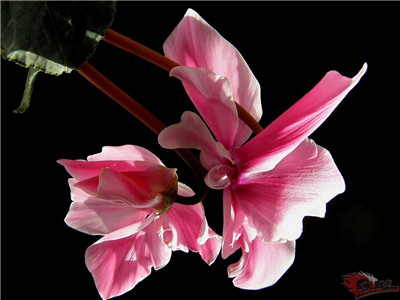
Symptoms and Control Methods of Cyclamen Wilt Disease
Cyclamen wilt disease is a condition caused by Fusarium that makes the leaves wilt. In the early stages of infection, some of the plant's leaves turn yellow; on sunny days the leaves appear wilted, recover at night, wilt again during the day, and this continues until death. The petiole becomes swollen and water-soaked, and when air humidity is high, cotton-like white fungal colonies grow at the lesions
-

What are the common pest and disease identification and control methods for cyclamen?
Cyclamen is highly prone to disease and should be planted in a clean, well-drained location. The main diseases include Fusarium wilt, wilt disease, soft root rot, gray mold, verticillium wilt, and spider mites. 1. Fusarium wilt. The pathogen often lies dormant on seedlings until transplanting, when the disease begins to develop.
-
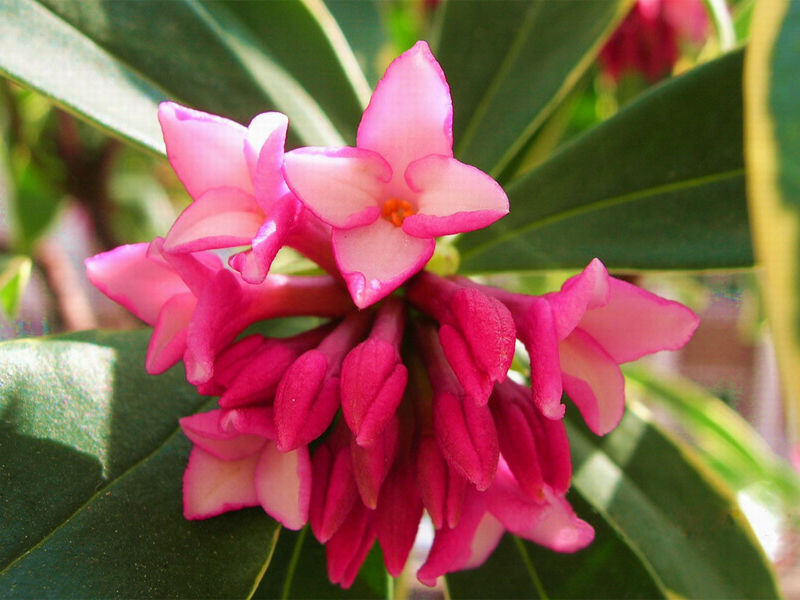
Detailed Explanation of Pest and Disease Control Methods for Daphne odora 'Aureomarginata'
Control of the Main Disease: Stem Rot. Daphne odora 'Aureomarginata' is a precious flowering plant beloved by the public, but it is delicate and difficult to grow. The main cause is stem rot. Symptoms: In the early stages of the disease, it is not easily noticed. The first part to show symptoms is the root crown. The phloem of the affected area turns black and rots, gradually spreading toward the roots. However, the xylem appears normal
-
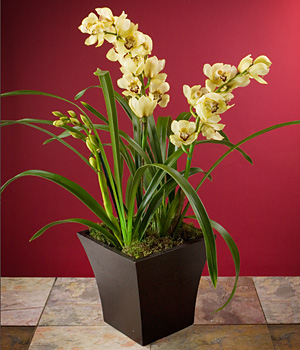
A Detailed Guide to Pest and Disease Control Methods for Cymbidium Hybrids
Fungal anthracnose mostly occurs at the tips of the leaves, with dark brown lesion margins and a grayish-white center, mostly caused by high temperature, high humidity and poor ventilation. The lesions should be cut off promptly along with spraying. Commonly used chemicals include 1000x mancozeb and 1000x copper hydroxide.
-
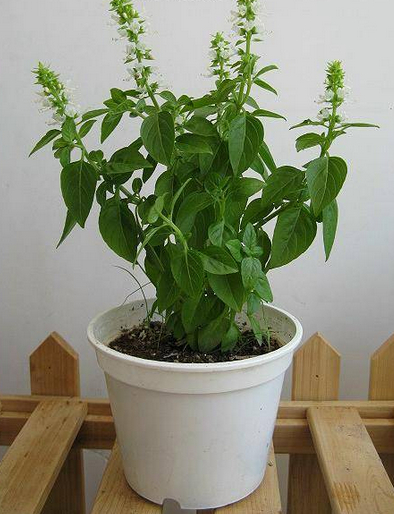
Detailed Explanation of Basil Pest and Disease Control Methods and Techniques
Pest and Disease Control In terms of insect pests, the main ones are aphids, Japanese beetles, thrips, leaf miners, snails and slugs. In organic cultivation, you can use water sprays to drive away aphids, and hand-pick Japanese beetles and drop them into soapy water
-

How to grow mustard greens to increase yield? Detailed planting methods
How to increase the yield of mustard greens
-

A Detailed Guide to Common Pest and Disease Control Methods for Boston Ivy
Diseases of Boston ivy include powdery mildew, leaf spot and anthracnose. Aphids are a common pest. Because Boston ivy has strong resistance, pests and diseases occur relatively rarely, but they do still occur from time to time, especially during the plum rain season, when high temperature and high humidity make powdery mildew, leaf spot and anthracnose more likely. When disease occurs
条件筛选