-

How to choose shiitake mushrooms? Remember these tips to refuse smuggled goods and pick good domestic shiitake mushrooms
Text and photography / Chen Lifang, images provided / Customs Administration. Before the Dragon Boat Festival and Lunar New Year, it is peak season for smuggling mainland Chinese shiitake mushrooms, because domestic seasonal demand for shiitake mushrooms is high and smuggling them is profitable. A common and effective trick to deceive consumers is to thoroughly mix mainland Chinese shiitake mushrooms with domestic ones before selling them, greatly reducing
-
How do you tell the quality of shiitake mushrooms? No need to taste them - just smell and look to pick the champion
On the 24th, the Xinshe District Farmers' Association in Taichung, China invited mushroom farmers to hold a shiitake mushroom evaluation competition. The event was also moved to the Legislative Yuan for the first time, hoping that through the competition, consumers can learn how to judge high-quality shiitake mushrooms. The judges' methods for evaluating shiitake mushrooms include appearance, weight, thickness, aroma, color and taste.
-
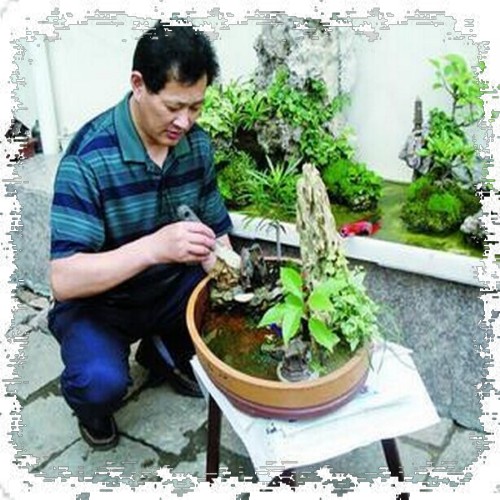
Detailed Explanation of the Principal and Subordinate Relationship in Bonsai Creation
Principal and subordinate, also called primary and secondary, main feature (guest), partial and complete, etc., is one of the important principles of formal beauty. In any work of art, the relationships among the parts cannot be equal; there must inevitably be a distinction between principal and subordinate. In bonsai creation, the subject and the object must also be emphasized, so the guest and host must be clearly distinguished and arranged with pleasing variation.
-
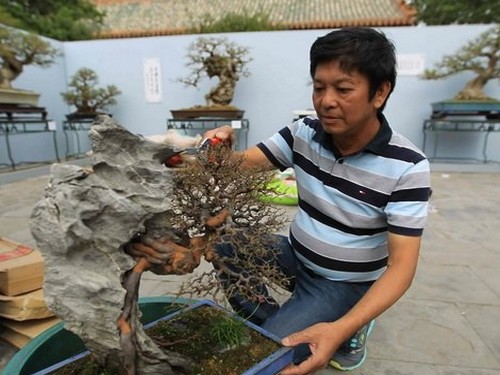
In bonsai creation, establishing the concept comes first and must be carried through from beginning to end.
The so-called establishing the concept means that before creation, after the author obtains the tree stock, or regarding the method of working the rocks and stones, based on their morphological characteristics and the features of the material itself, and combined with the author's own artistic cultivation, a general conception of the work is formed. This thinking process includes the work's outward form, size, use of branch techniques, and the design of the matching pot.
-
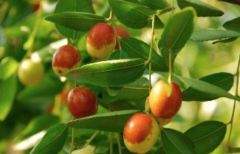
What are the advantages and taste of the new Taiwan jujube seedling variety Tainung No. 13 Shirley?
Do you like eating jujubes? Generally when the jujube season arrives, the sales of jujubes on the market are relatively good, so the jujube is a fruit we quite like. Let us now learn about its new variety! Fengshan Tropical Horticultural Experiment Branch, Taiwan Agricultural Research Institute
-

Green agricultural machinery shines on large farms
Green wonder machines shine bright on the big FARM
-

Which is easier to keep, the Narumi Asagi koi or the Shiro Utsuri koi?
Introducing the Narumi Asagi koi. As a type of Asagi koi, the Narumi Asagi is highly representative. As you can see, the center of its scales shows a deep blue, while the edges of the scales appear light blue; the two colors set each other off, like the shimmering ripples on a lake...
-
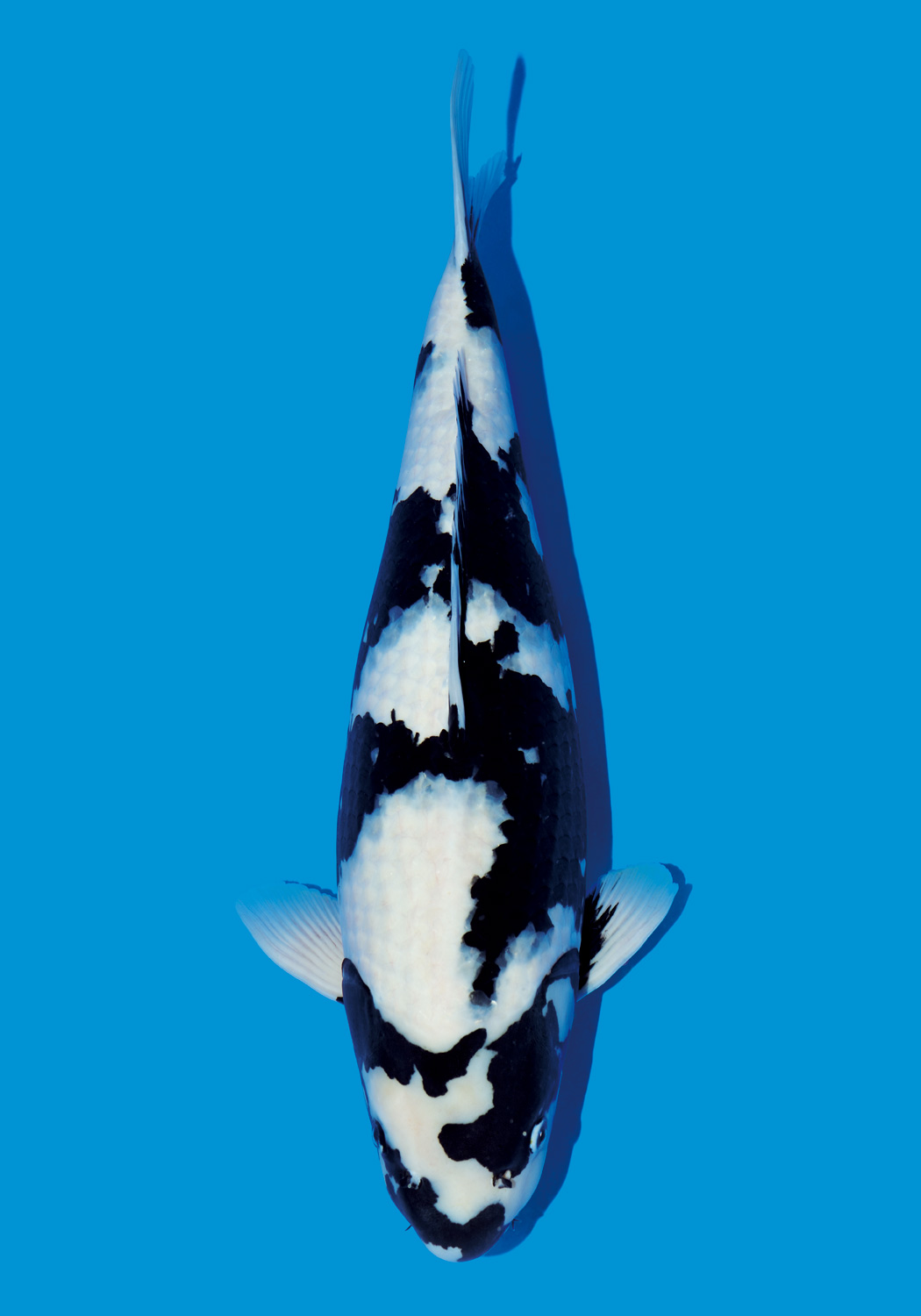
What are the color characteristics of Shiro Utsuri koi?
Shiro Utsuri koi introduction First, if a koi has only two colors, black and white, with black and white patches on the top of its head, a silvery-white body, black patches distributed in an interlaced pattern along its back, and short barbels at its mouth, then we call such a fish Shiro Utsuri. On the characteristics of Shiro Utsuri...
-
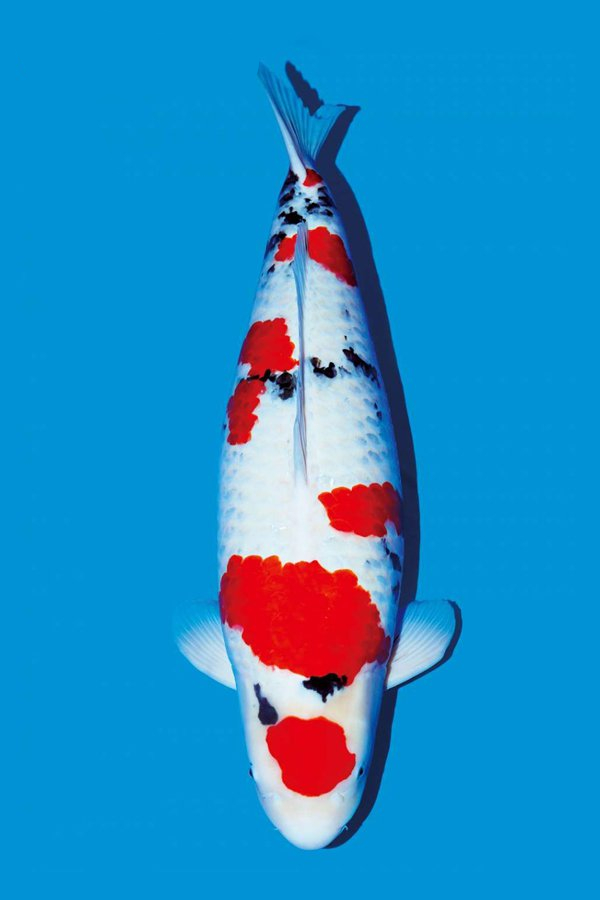
How do you distinguish the colors of Ginrin Sanshoku and Goshiki koi?
Naming of Ginrin Sanshoku. As a type of Taisho Sanshoku, the Ginrin Sanshoku koi is widely distributed in China, Japan, Germany and other places. Its most distinctive feature is its ginrin (silver scales). These silver scales gradually spread as the koi grows and its body shape changes. In other words...
-
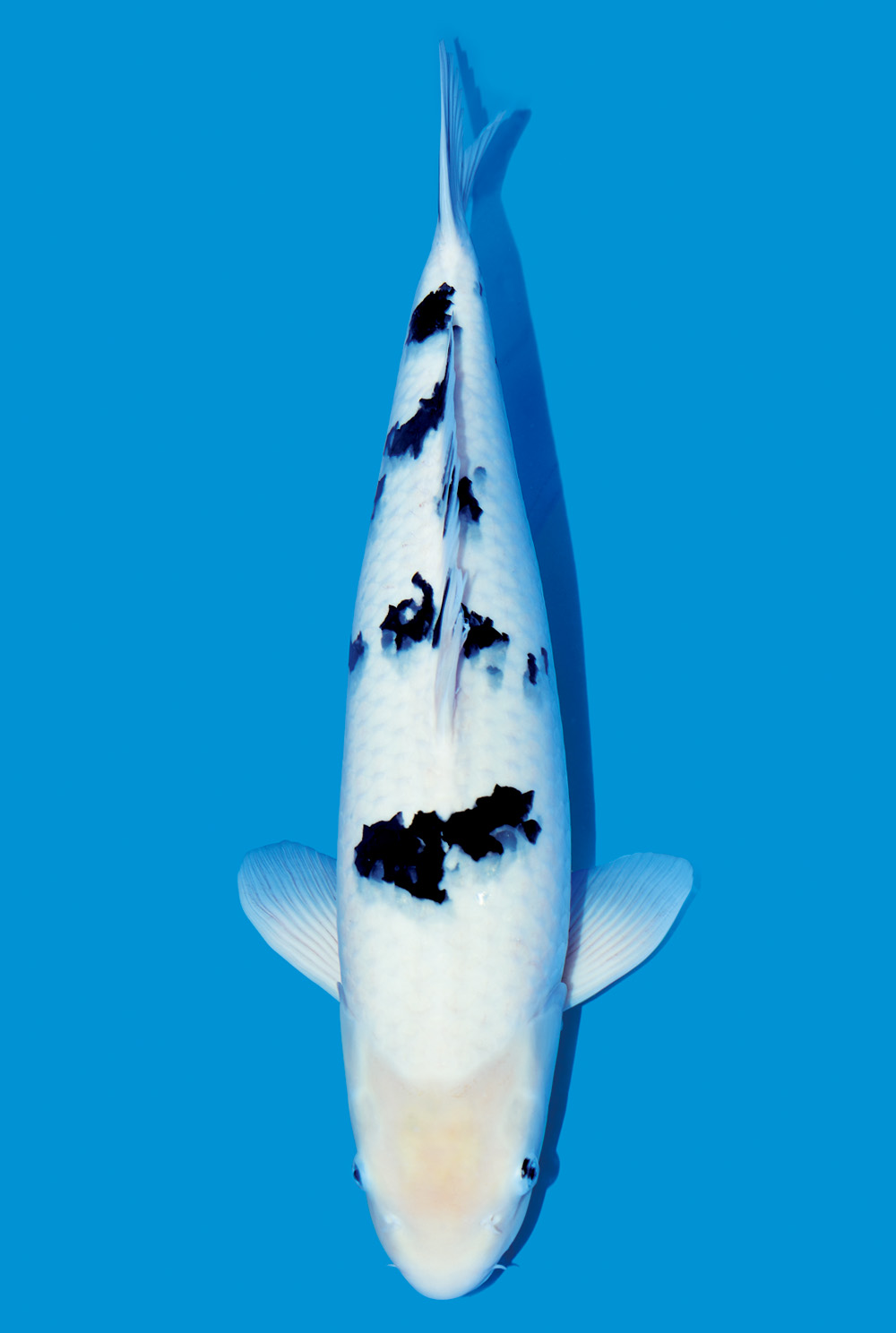
What are the characteristics of Shiro Bekko koi? Let this article give you an overview
Introduction to Shiro Bekko koi. Bekko refers to koi with a white or red base color, covered on the back with black patches of various shapes and sizes. Because the black patches are relatively small in area and contrast sharply with the base color, they look like plates of armor, hence the name Bekko. Bekko is also called Bekko...
条件筛选