Which is easier to keep, the Narumi Asagi koi or the Shiro Utsuri koi?
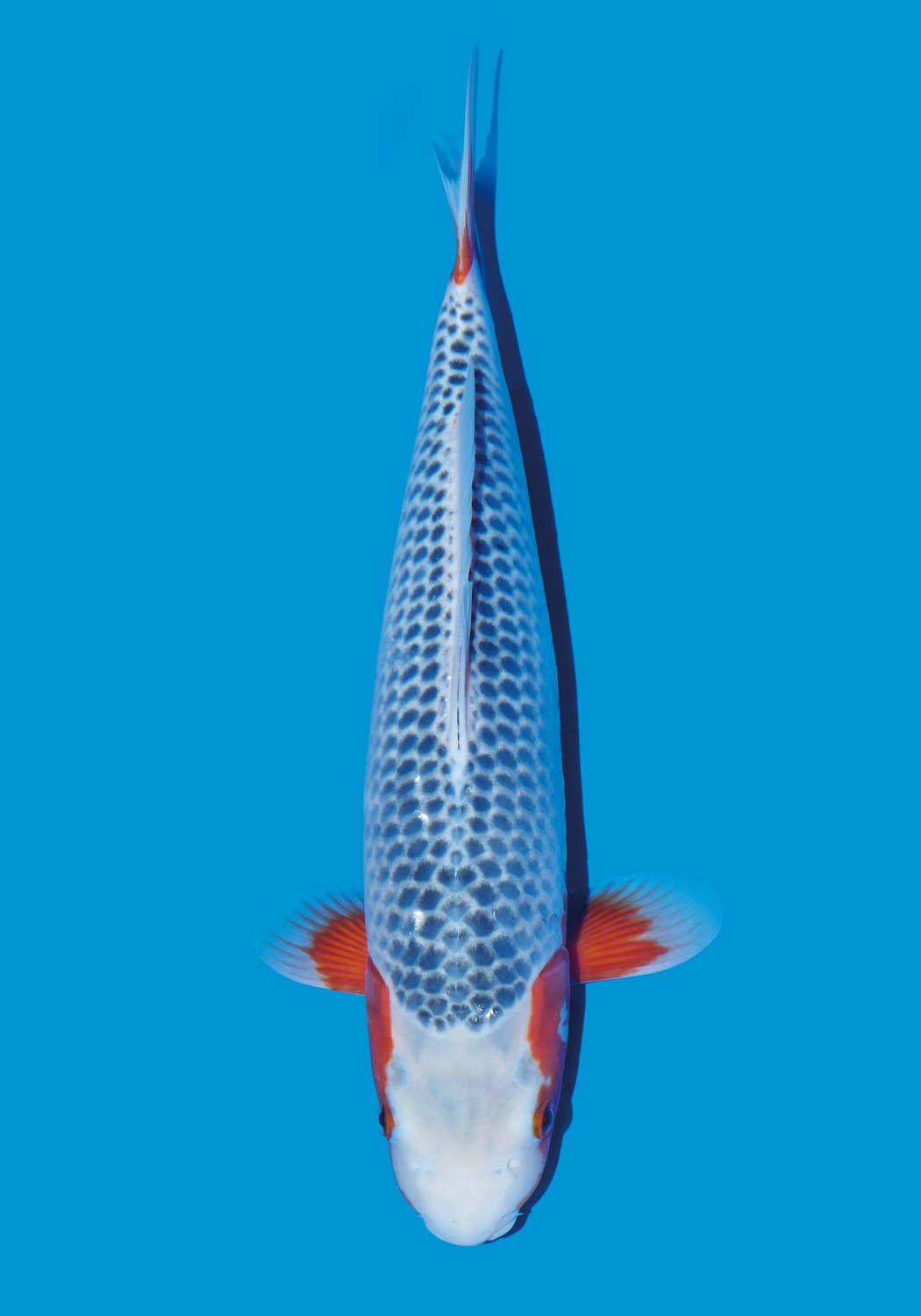
Introducing the Narumi Asagi koi. As a type of Asagi koi, the Narumi Asagi is highly representative. As you can see, the center of its scales shows a deep blue, while the edges of the scales appear light blue; the two colors set each other off, like the shimmering ripples on a lake...
As a type of Asagi koi, the Narumi Asagi is highly representative. As you can see, the center of its scales shows a deep blue, while the edges of the scales appear light blue; the two colors set each other off, like the shimmering ripples on a lake, sparkling and captivating.
The charm of the Narumi Asagi lies mainly in the many layers of its blue, but that is not all. Blue alone would make the fish look monotonous, so the fins are often tinged with crimson red; this red and blue set each other off, making one another appear even more brilliant.
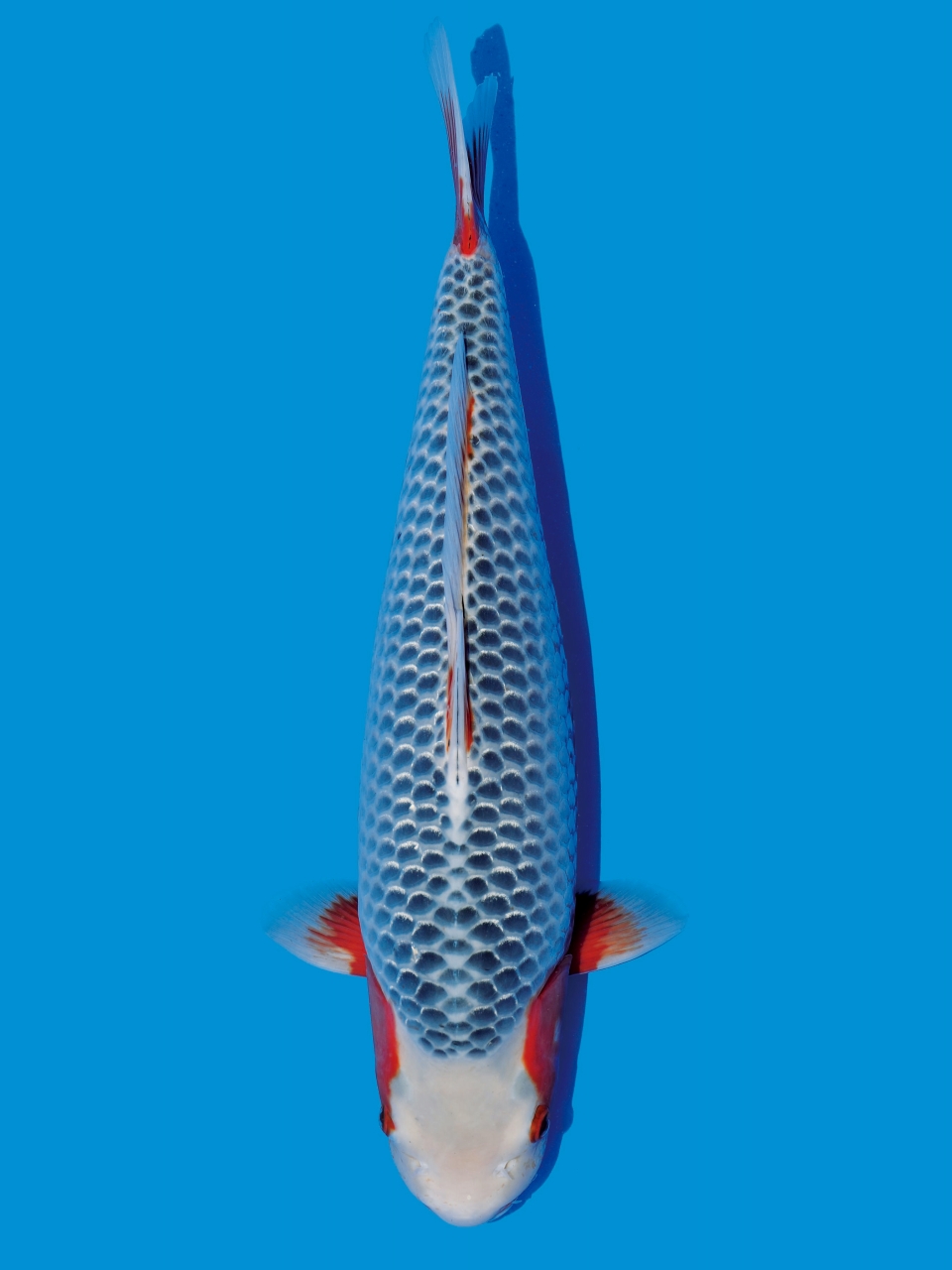
Color: Because of the many layers of blue, you must check whether the color is pure and whether the transitions are natural. The shift from deep blue to light blue should be natural and smooth, with no obvious breaks like fault lines. And when you look at any particular stretch of blue on its own, it should have its own distinctive character. As for the red on the fish's body, it is best if the red is deep and rich, clearly defined, and with distinct edges.
Swimming posture: What sets it apart from otherkoi varietiesis that the body color of the Narumi Asagi and thekoicolor of the water in the pond blend together beautifully. Especially when a Narumi Asagi with excellent scales swims in the pond, its blue light glitters, and it is a delight to admire from any angle.
Body shape: The body shape of a koi is a very important criterion in judging koi. Any famous koi is sure to have a well-proportioned body, balanced structure, and a vigorous, healthy quality. The condition of the fish directly affects the mood of the viewer, and the appeal of a koi as it swims is directly related to its body shape and swimming posture.