-

An Analysis of the Relationship Between Home Potted Plants, Bonsai and Feng Shui
In feng shui it is often said that where the land is good, the seedlings flourish, and the same holds true inside a home. Friends who do not understand feng shui can observe the feng shui field of their own home through plants. If a plant placed in a certain spot in your home cannot survive, it means that spot lacks sufficient life energy, and the owner can then make adjustments according to the actual situation.
-
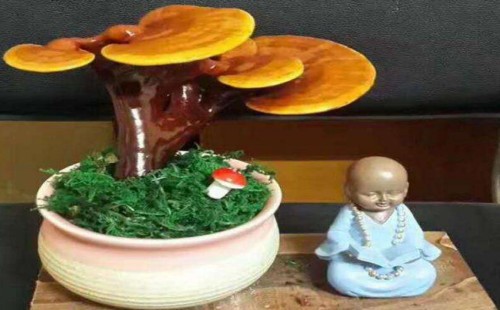
Is it good to keep a reishi mushroom bonsai at home? The meaning of placing reishi mushroom in the home
Reishi mushroom (Ganoderma lucidum) is a symbol of holiness and beauty, and it has strong health-care and medicinal value; in ancient times in our country it was even called the immortal herb. So many people like to place reishi mushroom in their homes to pray for longevity, wishing for lasting peace and health like the reishi mushroom itself. However, is it good to keep a living reishi mushroom bonsai at home?
-
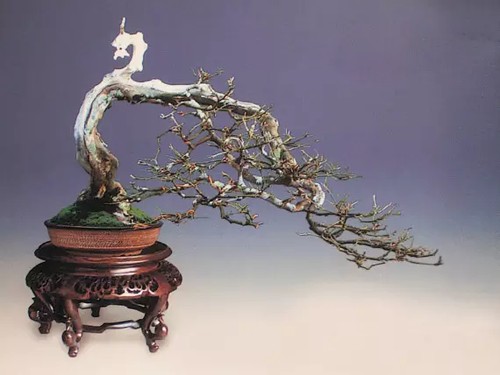
A Detailed Explanation of the Traditional Craftsmanship and Characteristics of Suzhou-Style Penjing
Penjing craftsmanship refers to Suzhou-style penjing craftsmanship, which originated in the Tang Dynasty, flourished in the Ming Dynasty, matured in the Qing Dynasty, and developed in modern and contemporary times. Since the 1980s, Suzhou penjing has won major awards in exhibitions at home and abroad many times. In 2011, it was included in the third batch of the national intangible cultural heritage list.
-
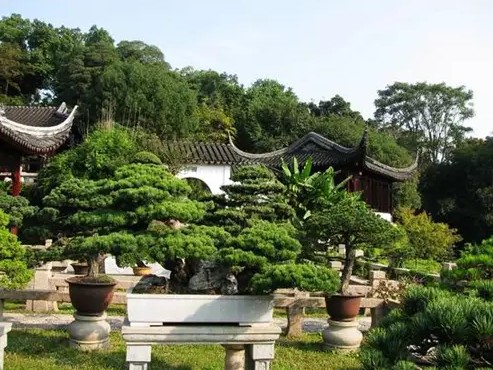
Innovative development of Su-style bonsai craftsmanship brooks no delay
At present, the inheritance methods of Su-style bonsai craftsmanship are relatively limited, and the number of inheritors is also very small. For example, one provincial-level and two municipal-level representative inheritors each have only one apprentice, and even this is unstable. Therefore, in addition to continuing to give play to the role of professional bonsai workers in scientific research and innovation
-
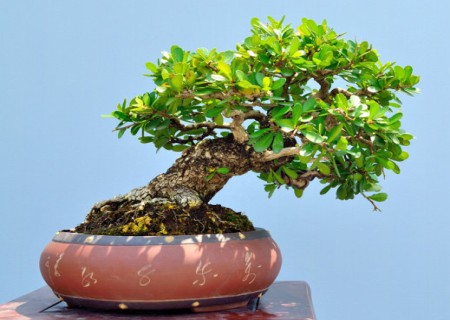
A detailed explanation of the Lingnan bonsai crown-finishing branch method, mastering the key points of tree crown shaping
For the crown finishing of a stump bonsai, the traditional left-right-left method can be changed to a spiraling crown finish. This keeps the crown low yet still allows for a rich tree form, giving the bonsai plant a wonderful effect of a thick but low trunk in a specific natural environment. At the same time, it also gives people a fresh, simple and natural feeling
-
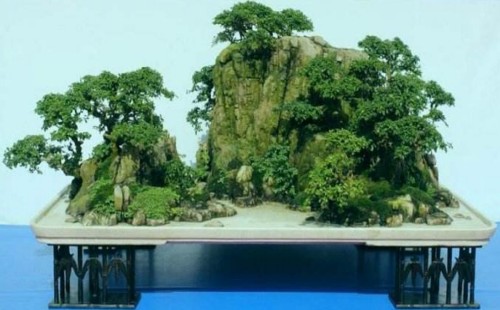
Detailed explanation of the steps for making a landscape bonsai, creating the "Fishing Alone in the Cold River Snow" scene
A landscape bonsai can be set up outdoors for viewing or placed indoors for appreciation, but before making it we must first clarify what theme the creation is meant to express, then conceive it according to the preliminary artistic effect, and then choose materials such as stones, plants, and even accessories
-
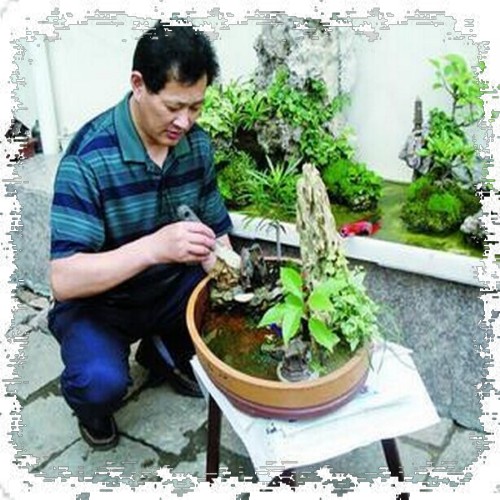
Detailed Explanation of the Principal and Subordinate Relationship in Bonsai Creation
Principal and subordinate, also called primary and secondary, main feature (guest), partial and complete, etc., is one of the important principles of formal beauty. In any work of art, the relationships among the parts cannot be equal; there must inevitably be a distinction between principal and subordinate. In bonsai creation, the subject and the object must also be emphasized, so the guest and host must be clearly distinguished and arranged with pleasing variation.
-
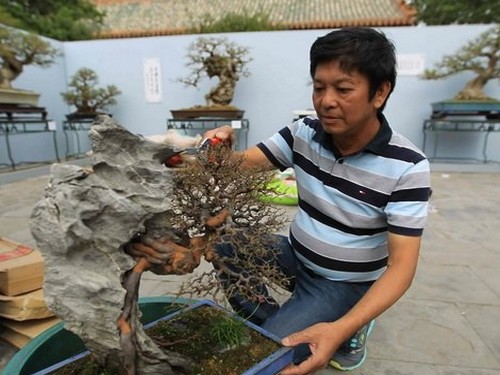
In bonsai creation, establishing the concept comes first and must be carried through from beginning to end.
The so-called establishing the concept means that before creation, after the author obtains the tree stock, or regarding the method of working the rocks and stones, based on their morphological characteristics and the features of the material itself, and combined with the author's own artistic cultivation, a general conception of the work is formed. This thinking process includes the work's outward form, size, use of branch techniques, and the design of the matching pot.
-

How to Grow and Care for the Green Plant Podocarpus macrophyllus 'Maki' (Shimaji)
Podocarpus macrophyllus is a special tree species native to Nantong, China. It is a primary material for making bonsai. The value of potted podocarpus bonsai is extremely high. So, how do you grow podocarpus? The editor will now introduce the main methods for you, let's take a look.
-
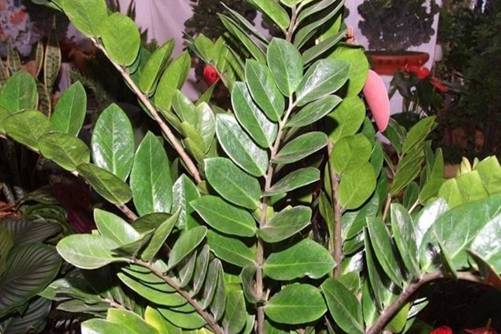
How to care for the money tree? Care for it well and you will enjoy a flourishing family and rolling wealth
When it comes to the money tree, I believe many friends are fairly familiar with it. The money tree is also a must-have tree in many households. The money tree (also known as the money plant, the money banyan) - so how do you care for a money tree, and how much do you know about its cultivation methods and precautions? Below, the editor will introduce it to you.
条件筛选