-
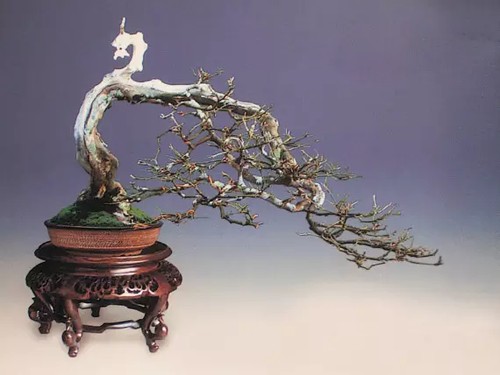
A Detailed Explanation of the Traditional Craftsmanship and Characteristics of Suzhou-Style Penjing
Penjing craftsmanship refers to Suzhou-style penjing craftsmanship, which originated in the Tang Dynasty, flourished in the Ming Dynasty, matured in the Qing Dynasty, and developed in modern and contemporary times. Since the 1980s, Suzhou penjing has won major awards in exhibitions at home and abroad many times. In 2011, it was included in the third batch of the national intangible cultural heritage list.
-
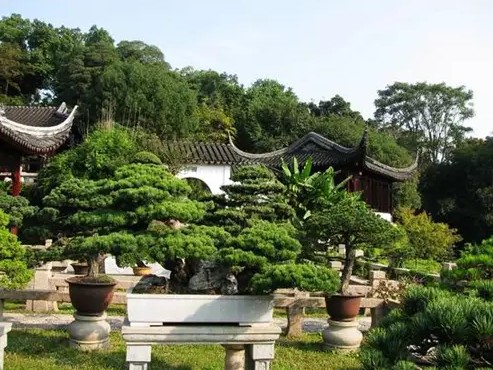
Innovative development of Su-style bonsai craftsmanship brooks no delay
At present, the inheritance methods of Su-style bonsai craftsmanship are relatively limited, and the number of inheritors is also very small. For example, one provincial-level and two municipal-level representative inheritors each have only one apprentice, and even this is unstable. Therefore, in addition to continuing to give play to the role of professional bonsai workers in scientific research and innovation
-
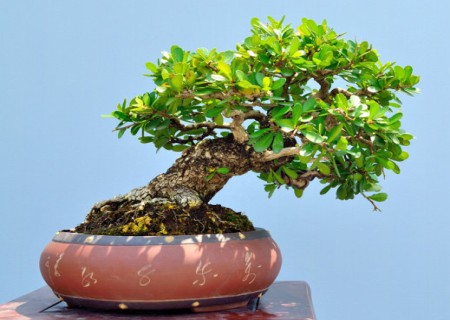
A detailed explanation of the Lingnan bonsai crown-finishing branch method, mastering the key points of tree crown shaping
For the crown finishing of a stump bonsai, the traditional left-right-left method can be changed to a spiraling crown finish. This keeps the crown low yet still allows for a rich tree form, giving the bonsai plant a wonderful effect of a thick but low trunk in a specific natural environment. At the same time, it also gives people a fresh, simple and natural feeling
-
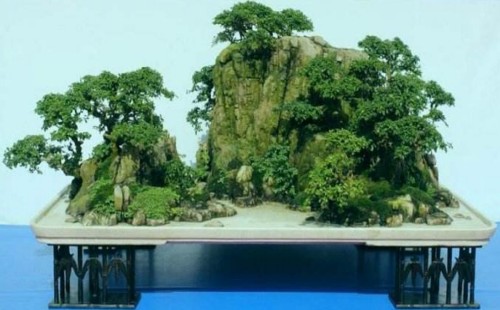
Detailed explanation of the steps for making a landscape bonsai, creating the "Fishing Alone in the Cold River Snow" scene
A landscape bonsai can be set up outdoors for viewing or placed indoors for appreciation, but before making it we must first clarify what theme the creation is meant to express, then conceive it according to the preliminary artistic effect, and then choose materials such as stones, plants, and even accessories
-

The Relationship Between Flowers of the Four Seasons and Meteorological Conditions, and Methods for the Prevention and Control of Edible Fungus Diseases and Pests
Flowers of the Four Seasons and Meteorological Conditions
-
Eight-character tips for protecting flowers and nursery stock from the cold in deep winter, and key points to remember when replenishing water for edible fungi
The "eight-character tips" for protecting flowers and nursery stock from the cold in deep winter
-
New Cold-Protection Tips for Hydroponic Flowers and Notes on Replenishing Water for Edible Fungi
New Cold-Protection Tips for Hydroponic Flowers
-
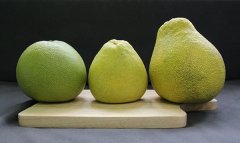
Distinguishing Pomelo Varieties: What Are the Characteristics of Wendan, Red Wendan and Xishi Pomelo?
Summer is about to end, and cool breezes are beginning to blow. As we enter the middle of the eighth lunar month, what we look forward to most is the Mid-Autumn season. People say that when the moon is full, families reunite, and enjoying the moon and eating wendan pomelo with family is the happiest thing. The records of pomelo cultivation techniques in Taiwan, China date back very early, to
-
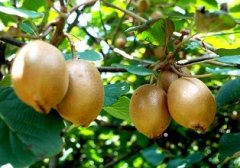
Kiwi Fruit: Nutritional Composition, Its Relationship with Cancer, and How to Eat and Store It
Kiwi fruit (Kiwi-Fruit) is a perennial, evergreen climbing shrub of the Actinidiaceae family, bearing dioecious berries. It originated in southwestern China and the Yangtze River basin at altitudes of 1300-2600 m, while in Taiwan, China it is scattered in the mid-northern high-latitude mountain areas. Because its shape resembles
-
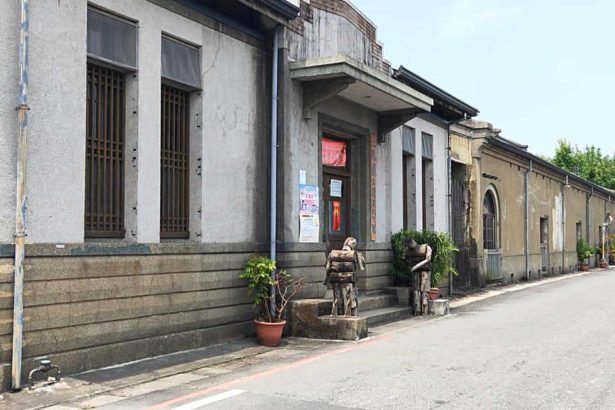
A Little Trip to the Wujie Township Local Culture Hall: Yilan Is a Museum 04 - Reading a Century of Splendor
Yilan Is a Museum 04"Reading a Century of Local Splendor: A Little Trip to the Wujie Township Local Culture Hall
条件筛选