-

What should be noted when replenishing water for edible fungi?
What should be noted when replenishing water for edible fungi?
-
Detailed Guide to Shiitake Mushroom Cultivation: Methods for Growing and Managing Edible Fungi
Shiitake Mushroom Cultivation Techniques for Edible Fungi
-
Technical points to note when replenishing water in edible mushroom cultivation
Points to note when replenishing water for edible mushrooms
-
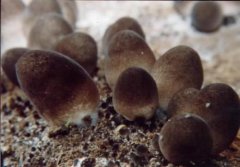
Straw Mushroom Spawn: The Difference Between Straw Mushrooms and Shiitake Mushrooms, How Much Do Straw Mushrooms Cost Per Jin, and Do Straw Mushrooms Need Blanching?
Do you know what straw mushrooms look like? What difference is there between them and shiitake mushrooms? How much do straw mushrooms cost per jin, and when cooking them, do they need to be blanched in advance? Straw mushrooms and shiitake mushrooms grow in different environments, which is the biggest difference between the two. Wild straw mushrooms mostly grow on
-
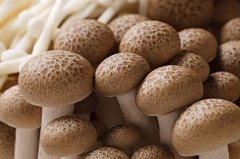
Does shimeji mushroom have a pungent smell? Why should shimeji mushrooms be blanched? Why do shimeji mushrooms taste bitter?
The shimeji mushroom is called shimeji because it has a seafood-like fishy smell, hence the name shimeji. Therefore, before cooking, it needs to be put into boiling water to remove this fishy smell, so that the taste is better. Some people find that the shimeji mushrooms they buy have a pungent
-
Technique for Cultivating Shiitake Mushrooms on Discarded Mulberry Branches in Northern China
Shiitake mushrooms belong to the fungal edible mushrooms, with very high medicinal and culinary value and promising market prospects. After the Agricultural Technology Center of Qianyang County, Shaanxi Province introduced this technique in 1999 and successfully tested it at the county's original seed farm, 44 farmers from 10 villages including Caojiayuan began engaging in shiitake mushroom production. According to 6 years of statistical data, apple orchards (including mulberry orchards) with trees aged 8 to 15 years yield an average of 500 kg of discarded old trees and pruned branches per mu per year that can be crushed into sawdust, producing 625 kg of fresh shiitake mushrooms, with sales revenue of about 2,500 yuan. I. Scale and Forms This technique
-
Detailed Explanation of Key Techniques for Off-Season Soil-Covered Bag Cultivation of Shiitake Mushrooms
Soil-covered bag cultivation of shiitake mushrooms is a new model of shiitake cultivation. Shiitake mushrooms cultivated with this model have the advantages of good mushroom shape, high yield, easy fruiting, and savings in time and labor. It is also a relatively advanced method in current shiitake cultivation, especially off-season soil-covered bag cultivation of shiitake, which produces high-quality summer and autumn shiitake mushrooms with high market prices and good economic returns. This technique has been tested and promoted in the northern Guangdong region of our province, with good results. The off-season soil-covered bag cultivation technique for shiitake mushrooms is introduced as follows: 1. Seasonal arrangement. Select varieties with high-temperature tolerance, large round and regular mushrooms, thick mushroom flesh, stout mushroom stipes, and high yield
-
Control Methods for Malformed Mushrooms in Off-Season Cultivation of Shiitake
In off-season cultivation of shiitake (Lentinula edodes), malformed mushrooms often occur because production conditions are not properly regulated, affecting the commercial quality and value of the mushrooms and greatly reducing production efficiency. The main manifestations of malformed mushrooms and their control measures are: 1. Small and thin caps. This manifests as caps that are both thin and small; even after a long growth period they cannot grow larger, and when eaten fresh they lack the distinctive aroma of shiitake. Control method: for bags that have not undergone color change, conditions must be regulated to induce color change; if the substrate nutrients are insufficient, they can be appropriately supplemented when soaking the bags, and
-
What are the methods for controlling pests in off-season shiitake mushrooms?
Off-season cultivation of shiitake mushrooms refers to cultivation production in which shiitake mushrooms fruit from June to September. During this season, pests are rampant. If control measures are not adequate, yield and mushroom quality will be affected, so control should be strengthened. The main measures are: thoroughly clean up pest sources and thoroughly clean the toilets, chicken coops, and garbage piles around the mushroom shed. It is best if they can be relocated. If they cannot be relocated, regular pesticide spraying for pest control can be carried out. Particular attention should be paid to eggs in large manure piles. Among them, eggs of fungus gnats and manure flies can be killed through measures such as high-temperature fermentation and surface spraying. Shed
-
Four Disease Prevention and Control Methods for Off-Season Shiitake Mushrooms
For off-season cultivation of shiitake mushrooms, during the high-temperature, high-humidity season from June to September, there are more diseases and contaminant fungi than in winter, but as long as prevention and control measures are appropriate, ideal production results can still be achieved. Log rot disease: in production, Trichoderma (green mold) usually infects first, then forms cross-infection with multiple fungi. Prevention and control measures: strictly and standardly carry out inoculation operations, and do not let mold spores fall into the substrate. Edible mushroom inoculation purification machines are worth promoting; when inoculating, turn on the purification machine for 5 minutes before operating. The effect is similar to conventional formaldehyde fumigation, and it avoids the possibility of formaldehyde residue and irritation to the human body.
条件筛选