-
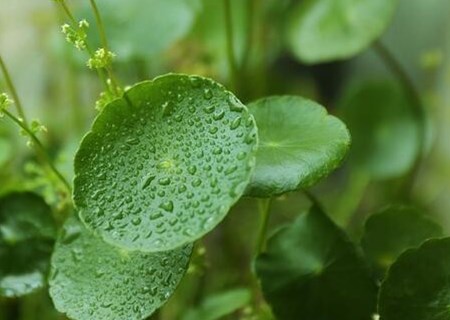
Pennywort, also known as Chinese marshweed (Hydrocotyle sibthorpioides), seed planting method, benefits, and differences from Lysimachia christinae
Pennywort, also known as Chinese marshweed (Hydrocotyle sibthorpioides), is used whole as medicine; it relieves pain, clears heat, and drains dampness, and treats abdominal pain, difficult urination, eczema and other conditions. It prefers warm, humid conditions and grows best in loose, well-draining potting soil, and can also be grown hydroponically. So do you know what the seed planting methods for pennywort are? What benefits and effects does it have?
-
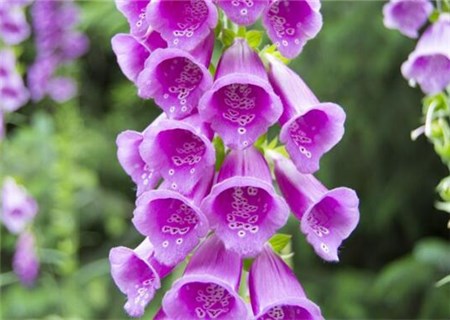
Foxglove (Digitalis) Seed Sowing Time and Planting Methods, and How It Differs from Lupine
Digitalis: also known as foxglove, poison herb, purple foxglove, and bellflower, native to the central and southern mountainous regions of Europe. It is now widely cultivated in places such as Zhejiang, Shanghai, Jiangsu and Shandong in China. So do you know when foxglove seeds should be sown? What are the planting methods? And how does it differ from lupine?
-
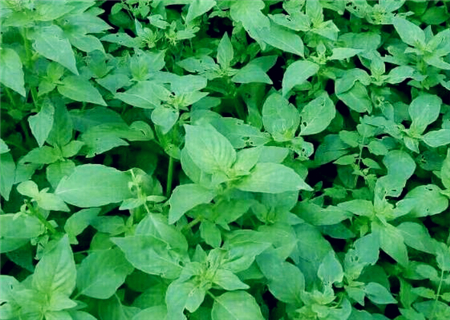
When is the best month to plant Schizonepeta? Differences from basil and balcony planting methods
Schizonepeta, one of the commonly used Chinese herbs, also known as: Xiangjingji, Xianji, Silengganhao, Jiasu, is a perennial plant of the Lamiaceae family, Schizonepeta genus. So when is the best time to plant Schizonepeta? Which months can it be planted? What are the differences from basil? The best time to plant Schizonepeta seeds is from September to November each year
-
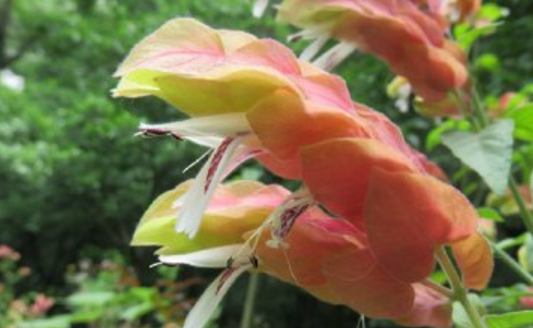
Differences, Uses and Propagation Methods of Goldfish Plant, Shrimp Plant and Golden Shrimp Plant
Shrimp plant is also called shrimp flower, shrimp grass, fox tail wood, unicorn spitting pearls, etc. So what is the difference between shrimp plant and golden shrimp plant? What uses do they have? How do they propagate? According to available information, shrimp plant likes a humid and warm growing environment and can tolerate drought, with a suitable temperature range of 18°C-28°C
-
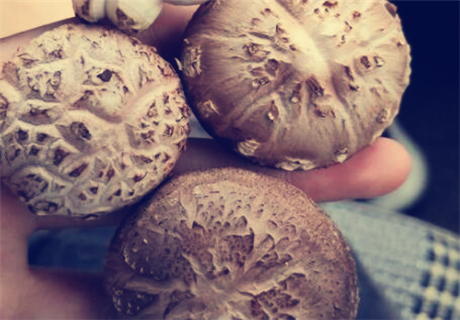
Shiitake flower mushroom is a tonic for longevity, 150 yuan per jin, its cultivation, differences from shiitake, and effects
Flower mushroom is generally very common in rural areas, and in China it is called a longevity tonic. Why is it called flower mushroom? Because the whole mushroom is very thick and white, shaped like chrysanthemum petals, hence the name flower mushroom. The nutritional value of flower mushroom is very high, so what is the current price of flower mushroom per jin? How to cultivate it?
-
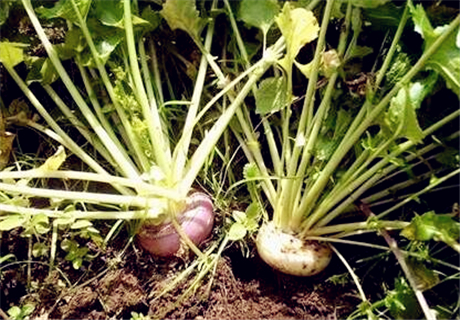
Yuan root (Nyungma): a medicinal and edible plant, a new favorite for farmers to get rich, its benefits and differences from radish, and cultivation
Yuan root is a plant that looks somewhat similar to radish. It is an ancient plant of the Tibetan Plateau, called Nyungma in Tibetan, and has the effect of clearing heat and detoxifying. So what are the benefits and effects of yuan root? How does it differ from radish? What are its cultivation prospects? Main nutritional value of yuan root
-

What conditions are needed for lychee flower bud differentiation?
Conditions for lychee flower bud differentiation
-
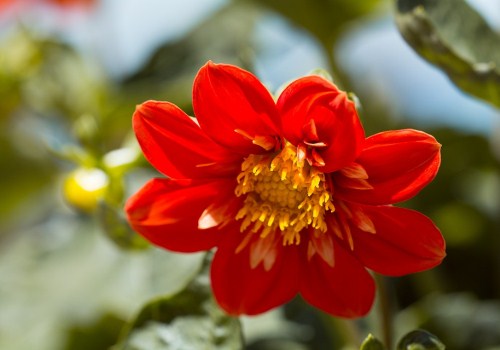
How to grow Zinnia (Zinnia elegans) and how it differs from Calendula
Zinnia, also called zinnia elegans, is an annual herbaceous plant in the Asteraceae family. It has an attractive plant form, very large flowers, many flower colors, and a long blooming period. It can be planted in flower beds, flower borders, flower strips, flower pots, and courtyards, and it looks very beautiful. So, how do you grow zinnia? How is it different from calendula?
-
What are the differences between Jade Plant (Crassula arborescens) and Jade Tree (Crassula ovata)? A quick guide to tell them apart
What are the differences between Jade Plant and Jade Tree
-
What is the difference between herbaceous plants and woody plants
The difference between herbaceous plants and woody plants
条件筛选