What is the difference between herbaceous plants and woody plants
Herbaceous plants are a general term for a class of plants, so what are herbaceous plants? What are the differences between herbaceous plants and woody plants? Some friends may not be particularly familiar with this, so today I will give a brief introduction for everyone. Let us take a look together.
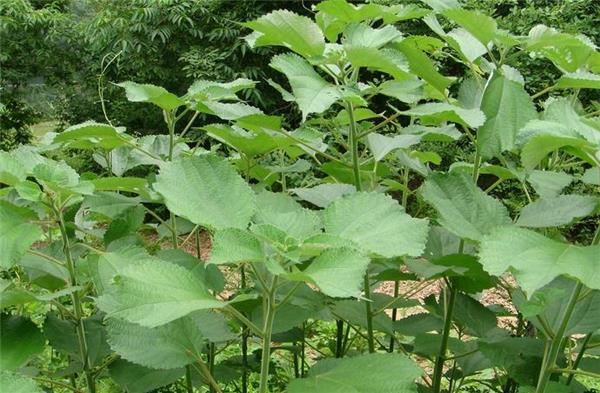
What are herbaceous plants
The stems and branches of herbaceous plants mostly die after the growing season, but the roots in the underground part can grow again in the second year. The roots of perennial herbaceous plants are generally relatively thick, and some also grow organs such as tuberous roots, tubers, corms and bulbs. In winter, the aboveground part still sleeps quietly, and when the climate warms up the next year, they sprout and grow again. Growing year after year in this way, the underground roots or stems may gradually become larger, and may also branch.
Classification of herbaceous plants
Annual herbs refer to herbaceous plants whose lifespan is only 1 year from seed germination, growth and fruiting to withering and death, that is, they can complete their life cycle within one growing season. Biennial herbs are plants that in the first growing season only grow vegetative organs, and in the second growing season bloom and bear fruit before dying, such as winter wheat, sugar beet and broad bean. Perennial herbaceous plants have a relatively long life span, generally herbaceous plants of more than two years, such as chrysanthemum, water lily and clivia.
What are woody plants
Woody plants refer to solid plants whose roots and stems form a large amount of xylem due to thickening growth, and whose cell walls are also mostly lignified. The plant body has developed xylem and hard stems, is perennial, and is divided into three categories: trees, shrubs and subshrubs. They are the source of timber.
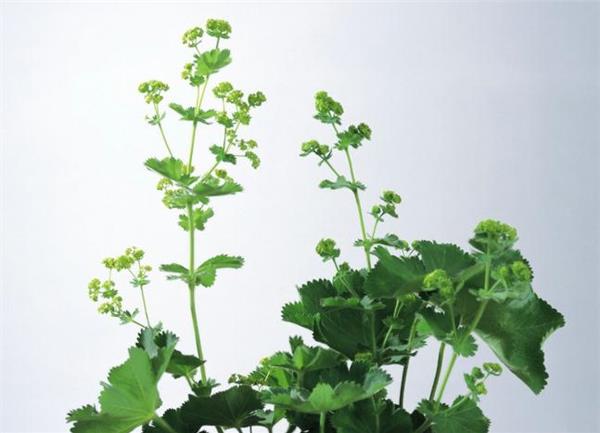
Classification of woody plants
By form:
1. Trees: tall, upright trees, more than 5 m tall, with an obvious trunk and branches positioned relatively high, such as pine, fir, Chinese wingnut and camphor. They are divided into evergreen trees and deciduous trees.
2. Shrubs: relatively short trees, less than 5 m tall, with no obvious trunk and branches close to the base of the stem, such as tea, Chinese rose and rose of Sharon. They are divided into evergreen shrubs and deciduous shrubs.
3. Subshrubs (semi-shrubs): perennial plants, but only the base of the stem is lignified, while the upper part is herbaceous and withers in winter, such as peony.
By growth habit:
1. Deciduous woody plants mainly include: wintersweet, plum blossom, magnolia, winter jasmine, elm-leaved spirea, poplar, apple, pear, Hall crabapple, Chinese rose, kerria, pomegranate, crape myrtle, rose, climbing rose and paulownia, etc.;
2. Evergreen woody plants mainly include: citrus, longan, pine, cypress, Cuphea, jasmine, camellia, camellia and camellia, etc.
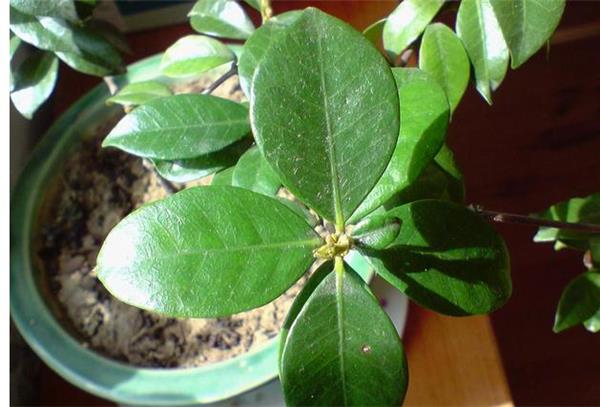
The difference between herbaceous and woody plants
1. Woody plants: the stems contain a large amount of wood and are generally relatively hard. They can also be divided into: trees, tall trees with an obvious trunk. Shrubs, with no obvious trunk, relatively short, often branching from the base, such as: Chinese rose, climbing rose and redbud, etc.
2. Herbaceous plants. The stems contain less wood. Such plants can also be divided into: annual herbaceous plants: their life cycle is completed within the current year, and their life ends after flowering and fruiting. Such as: rice and cotton, etc. Biennial herbaceous plants: their life cycle spans two years, that is, they grow in the first year and only bloom and fruit in the second year before dying. Perennial herbaceous plants: the underground part of the plant can live for many years and sprouts and grows every year.
3. Environmental and geographical conditions can often change the habits of plants, for example: cotton and castor are annual plants in the north, but can be perennial plants in South China.
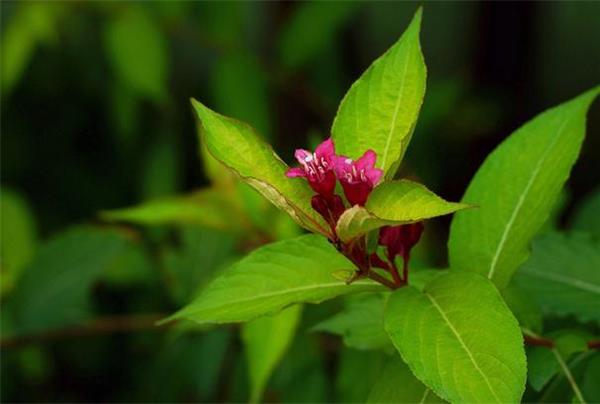
That is all for the related introduction to herbaceous and woody plants. I believe that after reading it, everyone has gained some understanding of herbaceous and woody plants. I hope the content introduced today can be helpful to everyone.