Shiitake flower mushroom is a tonic for longevity, 150 yuan per jin, its cultivation, differences from shiitake, and effects
Flower mushroom is generally very common in rural areas, and in China it is called a longevity tonic. Why is it called flower mushroom? Because the whole mushroom is very thick and white, shaped like chrysanthemum petals, hence the name flower mushroom. The nutritional value of flower mushroom is very high, so what is the current price of flower mushroom per jin? How to cultivate it? What is the difference from shiitake? What are its effects and functions? The specific details are as follows:
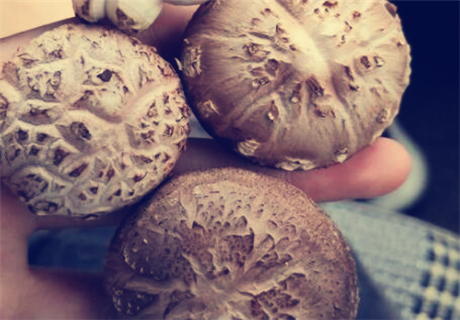
I. Nutritional value table of flower mushroom
Flower mushroom is rich in protein and amino acids, fat, crude fiber and vitamins 1, B2, C, niacin, calcium, phosphorus, iron, etc.
II. What is the current price of flower mushroom per jin?
With such high nutritional value, flower mushroom is naturally very popular in the market. The market price of fresh flower mushroom is about 6-12 yuan per jin, and the market price of dried flower mushroom is about 60-150 yuan per jin.
III. How to cultivate flower mushroom?
1. Selection of shiitake varieties
In the early stage of flower mushroom cultivation, choose varieties that are easy to form flower mushrooms, that is, select strains of low-temperature or medium-low-temperature type, with a longer mycelium age, good mushroom shape, and short stipe. For example, varieties such as shiitake 241-4, L939, L9015, L9608, etc.
2. Selection of mushroom shed construction site
For the flower mushroom cultivation shed, choose a place facing the sun, ventilated, with flat terrain, dry soil, and convenient access for materials in and out to build an east-west oriented mushroom shed.
3. Control the ecological environment for shiitake growth
Flower mushroom is formed under special ecological environment conditions. During the growth process of mushroom buds in bag-cultivated shiitake, encountering ecological environments such as low temperature, large temperature difference between day and night, and dry air makes it easy to form flower mushrooms. Therefore, in the cultivation process, such suitable conditions should be created to promote the formation of flower mushrooms.
① Arrangement of the flower mushroom cultivation season: In late autumn, winter and early spring, the temperature difference between day and night is relatively large and the air humidity is low. Therefore, appropriate arrangements should be made in the cultivation season so that the fruiting period of shiitake is in such seasons as late autumn, winter and early spring, in order to facilitate stimulating the formation of flower mushrooms through the regulation of cultivation techniques and promote high yield of flower mushrooms.
② Specific control of environmental conditions: The temperature of the mushroom room should be controlled at 8-13°C, the highest temperature at about 20°C, the lowest temperature at 8°C, and the daily temperature difference above 10°C; the air is required to be dry, and the relative humidity should be maintained between 30%-60%. For this purpose, ventilation and air exchange in the mushroom room must be strengthened; conditions such as giving sufficient sunlight should be provided.
4. Requirements for the culture medium
In flower mushroom cultivation, attention should be paid to the water content of the culture material. The ratio of material to water is more suitable at 1:0.9-1.0. If the water content in the fungus bag is too low, it is not conducive to the formation of flower mushrooms.
5. Planting precautions
In flower mushroom planting, attention should be paid. The temperature of the cultivation room should be controlled at 20°C--26°C, and high temperature should be strictly prevented. If it is higher than 28°C, it is easy to burn the fungus. The air humidity should be controlled below 70% to avoid contamination by miscellaneous bacteria. During the mycelial growth period, light is not needed. Therefore, shade materials need to be added to the spawn-running site, and doors and windows should be closed. However, doors and windows should often be opened for ventilation and air exchange, so that the indoor air is fresh and the mycelium grows normally.
IV. Differences between flower mushroom and shiitake
1. Different formation processes
Flower mushroom is the star among fungi. The top surface of flower mushroom appears light black, the mushroom cracks are open and flower-like, white, and the bottom of the mushroom is light yellow. Flower mushroom is named because the top surface has patterns. The colder the weather, the higher the yield of flower mushroom and the better the quality. The flesh is thick, delicate, delicious, and has a crisp and pleasant mouthfeel when eaten. Flower mushroom is a new star of edible fungi developed in modern times. It is shiitake in the production process that, by controlling natural conditions such as temperature, humidity, light and ventilation, artificially changes the normal growth and development of shiitake, causing the cap to form brown-and-white alternating patterns, thus forming flower mushroom. In the production process, flower mushroom does not use pesticides, fertilizers or any hormones, is not subject to any pollution, and can meet organic food standards. Regarding the difference between flower mushroom and shiitake, flower mushroom is deeply welcomed by people at home and abroad for its rich nutrition and effects such as disease prevention, health promotion, and delaying aging.
2. Different suitable temperatures
Flower mushroom is also only produced from shiitake produced in winter (winter mushroom). After the weather turns cold, it can crack only when the weather suddenly warms up on a certain day. It has relatively high requirements for weather, so it is precious. Also because the weather is particularly suitable, the mushroom can grow well and thus taste better. In fact, the best shiitake is made from wood (few people do this now, low yield, quality is hard to guarantee). What we see now are all bag-cultivated shiitake, whose taste and aroma are far inferior. If flower mushroom is made from basswood, then it is almost comparable to bird's nest and shark fin.
3. Different prices
Shiitake is the second largest edible fungus in the world and one of China's local specialties. Among the people, it has long been known as a "mountain treasure." It is a fungus that grows on wood. It is delicious in taste, refreshing in aroma, and rich in nutrition, and has long been praised as the "queen of plants." Shiitake is rich in B vitamins, iron, potassium, provitamin D (which becomes vitamin D after sun exposure), sweet in taste and neutral in nature. It mainly treats reduced appetite, shortness of breath and fatigue.
V. What are the effects and functions of flower mushroom?
1. Metabolism
The amino acids contained in flower mushroom can promote metabolism, accelerate the elimination of waste from the body, decompose dead old cells, and enhance resistance.
2. Lowering blood pressure
The crude fiber and vitamins contained in flower mushroom can lower blood pressure and reduce cholesterol and other effects.
3. Cancer prevention and anti-cancer
The cap of flower mushroom is rich in double-stranded RNA, a natural anti-cancer component that can effectively reduce the damage of viruses to human cells and reduce the formation of cancer cells. Eating flower mushroom regularly has a good cancer-preventing and anti-cancer effect. Flower mushroom has now been made into a specific anti-cancer drug.
3. Inhibiting HIV
According to medical research findings, LEM extracted from flower mushroom can also inhibit type B chronic hepatitis and HIV, can activate macrophages of the immune system, and can also increase bone marrow cells of the hematopoietic system, and can inhibit the reproduction of HIV.
4. Nourishing the body
The nutritional value of flower mushroom is particularly high, such as being rich in protein, and also containing more than a dozen amino acids beneficial to the human body and more than thirty kinds of enzyme substances. In addition, minerals and vitamins are also the most important existence in flower mushroom. Usually, people eating flower mushroom can tonify the middle and benefit qi and also relieve physical weakness, which is of great benefit to improving physical fitness.
5. Lowering the three highs
Flower mushroom contains shiitake purine alkaloids, as well as various amino acids and natural polysaccharides. These substances can soften blood vessels, purify blood, decompose cholesterol in human blood, and reduce the occurrence of cerebral vascular sclerosis. Regular consumption of flower mushroom can accelerate blood flow, prevent high blood pressure and high blood lipids, and can also improve the function of human pancreatic islets, promote insulin secretion, and have a certain preventive effect on diabetes and high blood sugar.
6. Weight loss
Flower mushroom contains crude fiber, which can lower cholesterol and have a weight-loss effect. Therefore, if you want to eat without getting fat and also have a weight-loss effect, flower mushroom is the best choice.