-
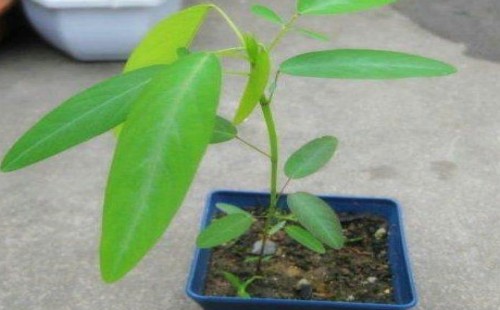
How to sow dancing grass? Detailed sowing method
Dancing grass, a plant that looks like grass but is not grass, usually grows to a height of about 60 cm. When a potted seedling grows to more than 25 cm and three leaves emerge from the leaf stalk, it can often be enjoyed. Because it is sensitive to light, temperature and sound waves, it often sways as if dancing
-
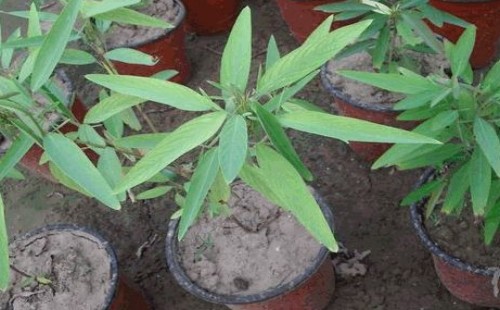
A Detailed Guide to Growing Potted Dancing Grass
Dancing grass (Codariocalyx motorius) is a truly magical plant, famous for swaying like a dancer in response to temperature, light and sound. It is currently near-threatened and very rare. When dancing grass starts to sway, it dazzles the eyes, yet also gives a feeling of freshness and beauty, mystery and wonder.
-
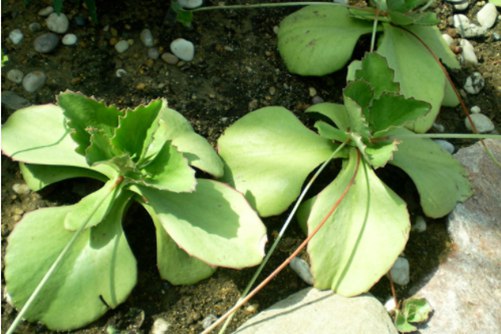
A Detailed Guide to Kalanchoe 'Wendy' Care: Easily Grow a Pot Full of Dancing Butterflies
Kalanchoe 'Wendy' is also known as the double flying butterfly, and Kalanchoe 'Wendy' has a very vivid and lifelike appearance, as if it were two butterflies flying wing to wing. Today the Huacaole editor will explain to everyone how to grow our succulent plant Kalanchoe 'Wendy'. Kalanchoe 'Wendy' care method 1. Kalanchoe 'Wendy' is a succulent plant in the Crassulaceae family, Kalanchoe genus.
-
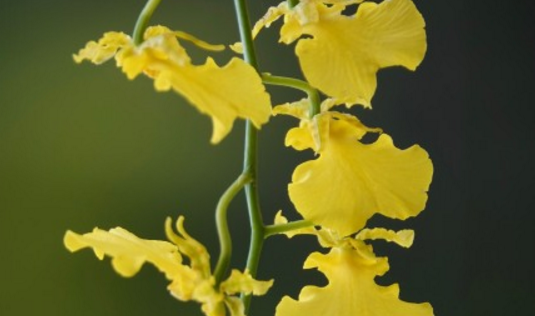
Oncidium (Dancing Lady Orchid) Growing Methods and Precautions, with Detailed Explanation of Blooming Period and Propagation Methods
Oncidium is native to the United States, Mexico, Guyana and Peru. So what are the growing methods and precautions for Oncidium? When does it bloom? How do you propagate it? According to available information, Oncidium likes humid and semi-shaded conditions. Besides watering to increase humidity, you should frequently spray water on the leaves and the ground.
-
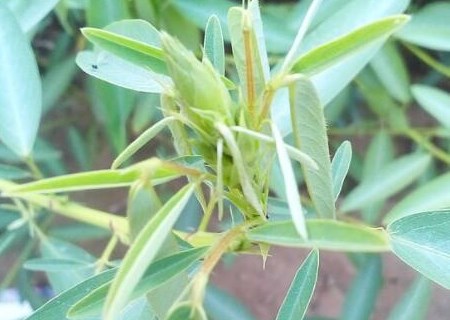
How to Grow a Dancing Grass Bonsai? Pest and Disease Control and Price Explained
Dancing grass, a grass that can dance, dances like a butterfly gently fluttering its wings in flight, and also like a dancer on stage gently stretching out graceful arms. So do you know how to grow a dancing grass bonsai? What are the common pests and diseases and their control methods? How much is a pot? At the Yunnan flower market we learned
-
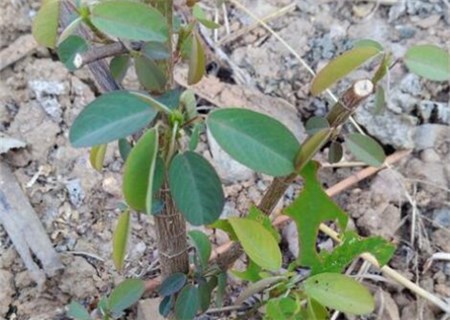
Why Does the Dancing Grass (Telegraph Plant) Move? Care Methods and Uses Explained
Dancing grass is extremely sensitive to sound waves. When stimulated by sound waves, it continuously sways up and down, like a butterfly gently fluttering its wings in flight, or like a young girl gracefully stretching her jade-like arms on stage, and that is how it got its name. So do you know why dancing grass moves? How should it be cared for? What uses does it have? Why dancing grass moves
-
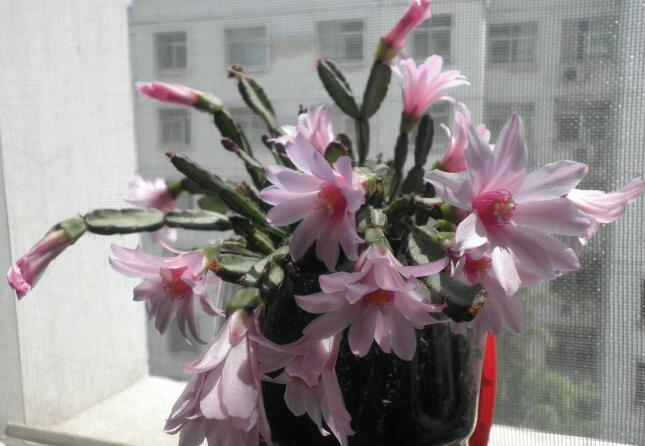
Why doesn't the Dancing Bones cactus bloom? It has to do with the mother plant and cuttings or grafted plants
The Dancing Bones cactus grows fresh and tender green, and when it blooms, it gives off a faint delicate fragrance. If grown in a hanging pot, hanging it on a balcony or indoors is very eye-catching. But
-
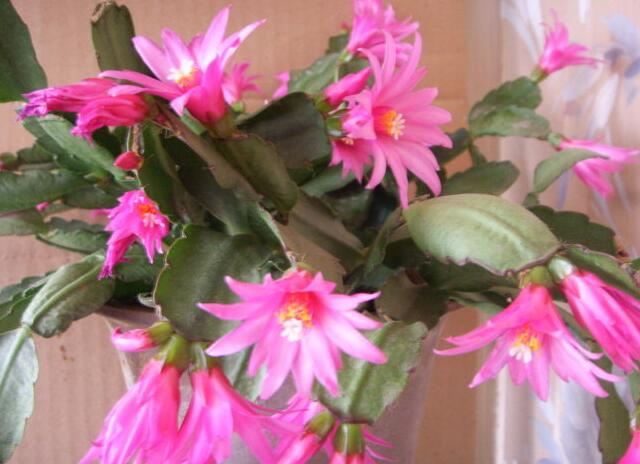
How to make a dancing fallen flowers bonsai? Sharing the regular style and hanging style methods
The dancing fallen flowers has not been introduced to our country for long. Its flower colors are gorgeous, and it has many flowers. It is suitable for hanging decoration, and its ornamental effect is no less than the common Christmas cactus, so it is well worth recommending to flower lovers. Let's make a pot of dancing fallen flowers that sways in the wind! Today, the editor brings you the method for making a dancing fallen flowers bonsai. Let's take a look at the details.
-
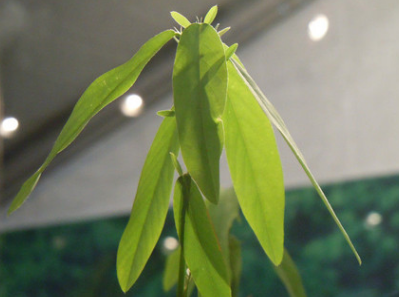
Why the Dancing Grass Dances and How to Care for It as a Bonsai
Dancing grass (Codariocalyx motorius) is an upright small shrub, named dancing grass for its posture that resembles a dancing maiden. It grows and is distributed mostly in China, Bhutan and Sri Lanka. Why does dancing grass dance and how does it dance? On both sides of the dancing grass leaves grow large numbers of linear leaflets, which are extremely sensitive to sound waves.
-
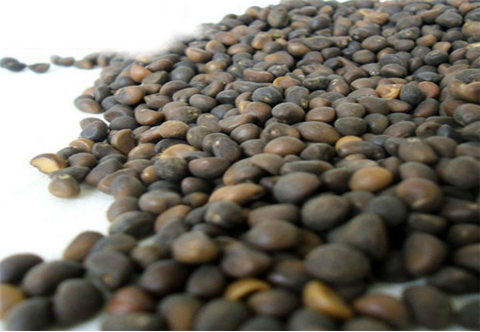
How to Grow the Dancing Grass? Detailed Planting Methods and Tips
I. Seed Treatment: The seeds of the dancing grass cannot be sown right away. You need to first remove the waxy coating on the seed coat, and you can use dry fine sand for this step. After removing the wax, soak the seeds in warm water at around 38 degrees Celsius for more than a day, then take them out, wrap them in a dry cloth, and let them dry in a cool place.
条件筛选