-
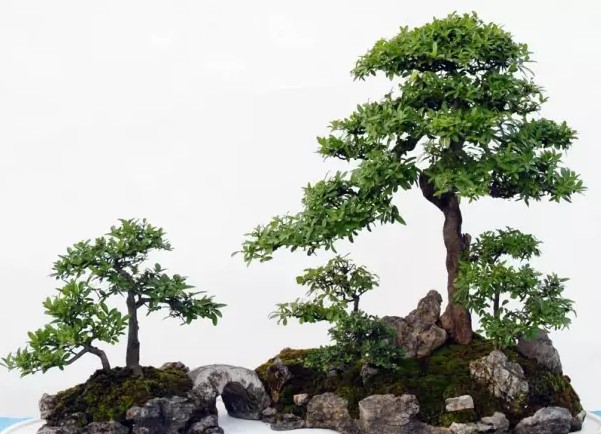
What artistic principles should be followed in bonsai creation
In the process of making bonsai, certain artistic principles should be followed. Only in this way can bonsai possess endless artistic charm. 1. Learn from nature, treat materials according to their properties. Bonsai expresses scenes of the natural world, so it must conform to nature and follow natural laws. Moreover, the materials used in bonsai
-
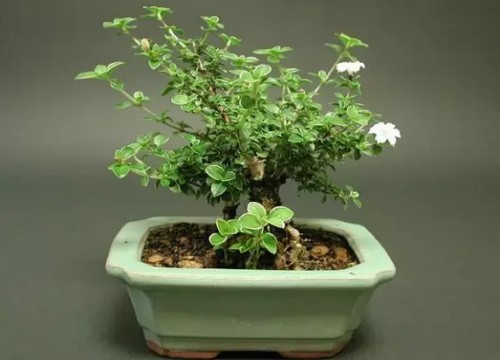
What are the two dualities in the artistic creation of bonsai?
We know that music, literature and the like belong to the temporal arts, while painting, sculpture, architecture and the like belong to the spatial arts; whereas dance, drama, film, bonsai and the like belong to the spatiotemporal arts. This is to say that a bonsai work possesses not only spatiality but also temporality, and its scenery changes with the passing of spring, summer, autumn and winter.
-
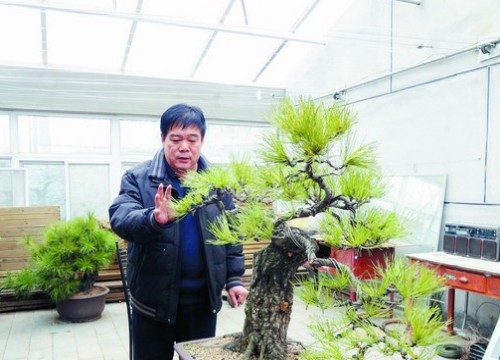
Ten Subjective Mental Tendencies to Abandon in Penjing Creation
In the process of penjing creation, since it is human subjective consciousness acting upon an objective entity, a series of ideological and mental activities inevitably run through it. Under the same conditions of region, economy and resources, there will be relatively large gaps between different creators in terms of quality level and speed of progress. Among the many factors
-
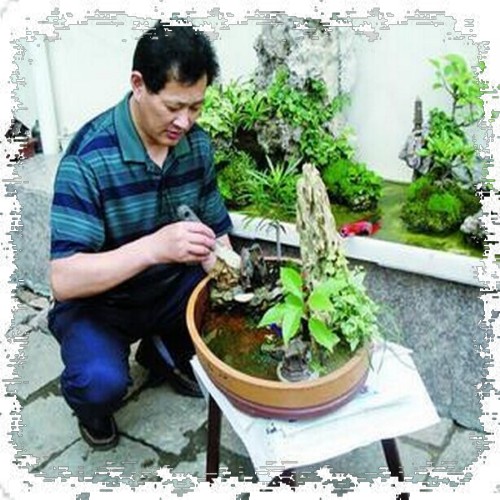
Detailed Explanation of the Principal and Subordinate Relationship in Bonsai Creation
Principal and subordinate, also called primary and secondary, main feature (guest), partial and complete, etc., is one of the important principles of formal beauty. In any work of art, the relationships among the parts cannot be equal; there must inevitably be a distinction between principal and subordinate. In bonsai creation, the subject and the object must also be emphasized, so the guest and host must be clearly distinguished and arranged with pleasing variation.
-
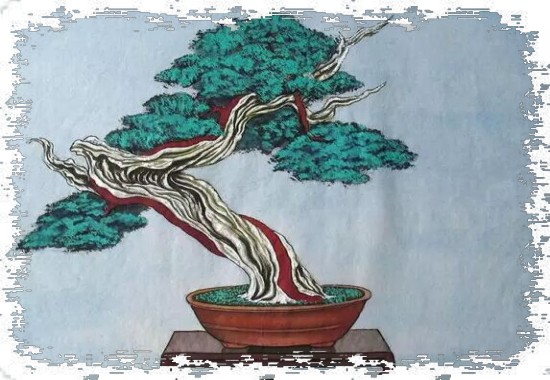
What are the design techniques for bonsai creation?
Some say that the aesthetic characteristics of Chinese bonsai art lie in "seeking elegance and rising above the commonplace," in emphasizing subtlety and artistic conception, in using the substantial to set off the insubstantial and combining the two, and in emphasizing layers and depth of scene, so as to achieve "turning the finite into the infinite" and "turning the bounded into the unbounded," captivating the viewer, inspiring endless reverie, and leaving an inexhaustible aftertaste. But to sum it up more concisely
-
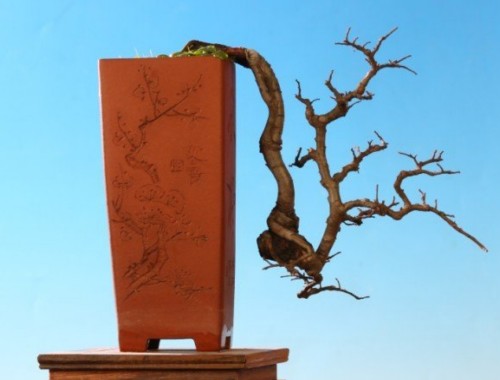
An Analysis of the Complexity of Four-Dimensional Space in Penjing Artistic Creation
People know that penjing is a three-dimensional spatial art with length, width, height and depth, and it is praised as a three-dimensional painting. In penjing artistic creation, mastering only the three-dimensional space of "solid" is not enough, because any object (a single tree or a single stone) is a three-dimensional space
-
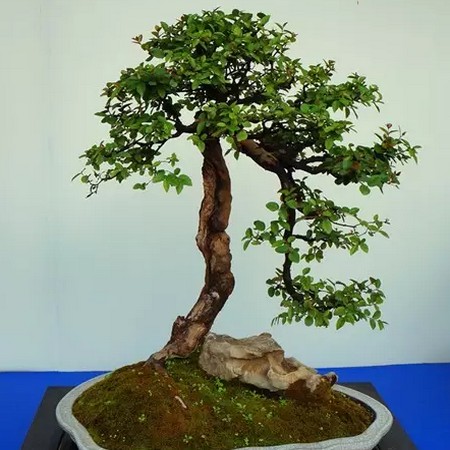
How to Achieve the Contrast of Movement and Stillness and a Proper Balance in Penjing Creation
The so-called sense of movement means giving spirit to form, with emphasis on liveliness and the issue of movement and balance. When creating penjing, one must pay attention to movement and balance, for only then can the inner force of the scene be brought out. Of course, this force is infused with the author's thoughts, feelings, ideals and aspirations. If the sense of movement is neglected, the whole composition becomes a tray of dead things
-
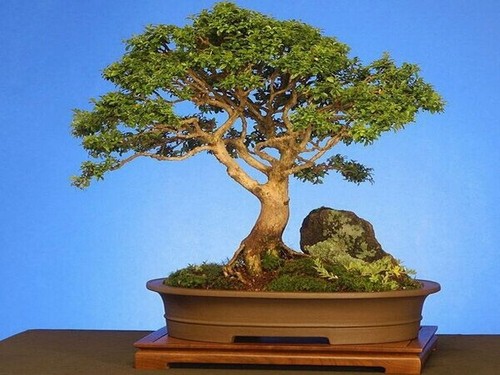
Bonsai Creation Techniques: How to Achieve the Extraordinary Within the Ordinary and the Balance of Strength and Softness
The ordinary and the extraordinary are two different artistic styles and expressive techniques. In bonsai art, some works win by the extraordinary, such as strange peaks, strange rocks, strange trees, strange flowers and so on, and these oddities are relatively easy to see; other works appear ordinary but are in fact extraordinary, and they can make the viewer feel as if eating an olive
-
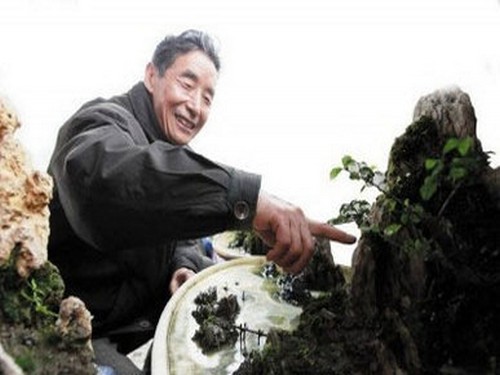
How to achieve simplicity amid complexity and apply techniques according to the material in bonsai creation
The creative process of bonsai art is a long, meticulous, and painstaking one. You must not only master the traditional basic knowledge, but also carefully savour the various kinds of knowledge brought by experience through earnest and meticulous work. To put it plainly, it is about seeking a way out within the basic rules and conventions.
-
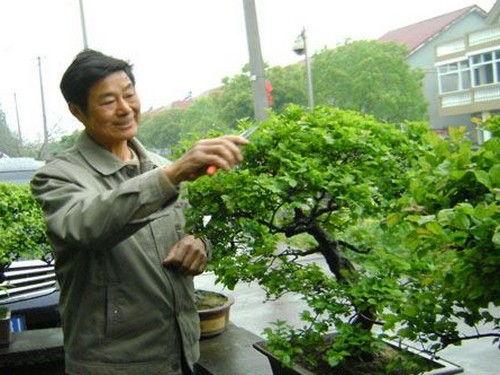
How can penjing creation use ingenious and clever layout to achieve the effect of seeing the large within the small?
Once the rough plan is formed, the layout can proceed according to established rules. Layout means arranging and placing the scenery, that is, modeling. Whatever theme is expressed, penjing emphasizes the artistic effect of seeing the large within the small even more than gardens do. The better this effect, the higher the artistic value of the penjing. Although among penjing there are large penjing
条件筛选