-
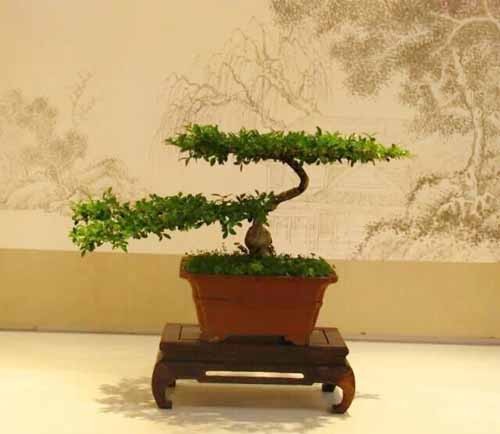
What are the finer points of the Yangzhou-style bonsai creation technique?
Yangzhou-style bonsai follows the Chinese painting principle that "no branch is straight for even an inch," using coir fiber for bending and shaping, and demanding precise tying and fine pruning. Every branch in the "cloud pads" is tied into very fine, dense serpentine curves; in the densest cases, each cun of branch can hold three bends, and every leaf lies flat yet facing upward, standing parallel, known as "three bends per cun."
-
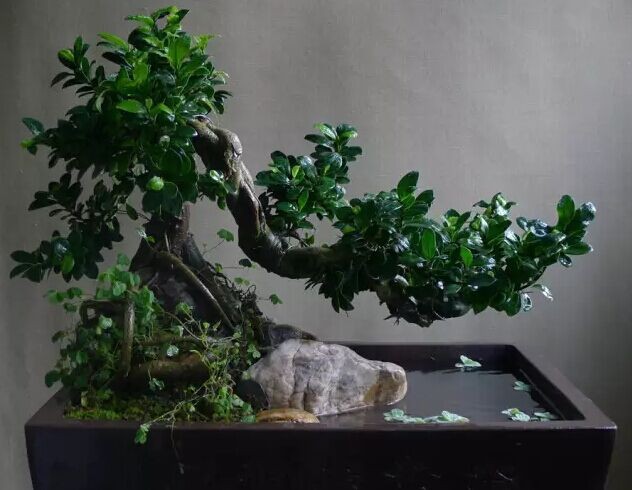
How to Find Patterns in the Creation of Water-and-Land Penjing
A few days ago, a good friend came to my home as a guest and saw a water-and-land penjing on the windowsill. They liked it very much, so I promised to make a few pots for my friend. The tree material was all banyan, including Taiwan small-leaf banyan and grafted banyan. My main effort went into the size of the water-and-land areas and the coordination among the trees, pots, and stones. After a few days, initial results began to show.
-
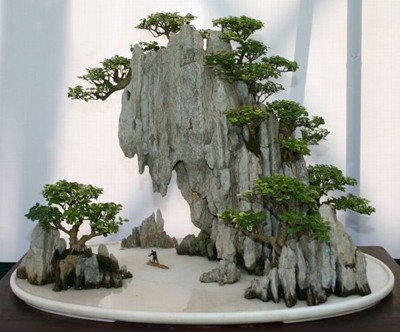
Points to note when arranging scattered stones in the creation of landscape bonsai
A bonsai is not a mass-produced product from a production line, but a work of art in a thousand different forms. Even if each bonsai follows the same layout format of opening and closing, the arrangement and posture of their host and guest rock forms differ to some degree. This requires us to exercise a certain flexibility whenever we use scattered stones to divide blank space or to "tie together momentum."
-
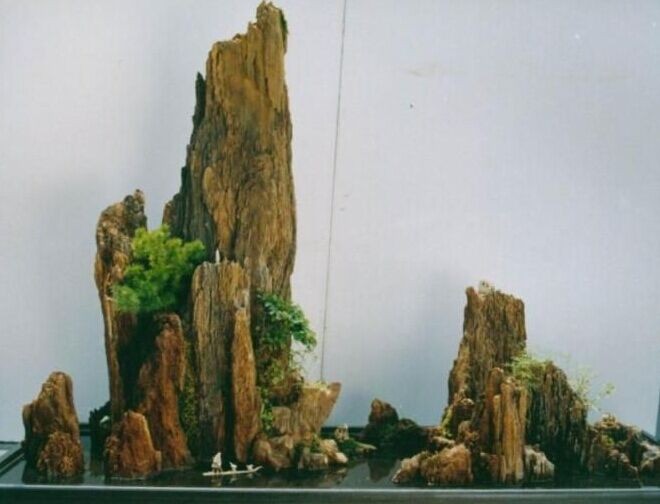
A Detailed Explanation of Methods for Conceiving the Artistic Concept in Landscape Bonsai Creation
Landscape bonsai is a group of scenery displayed by mountains, stones, grass, and trees arranged and combined in a certain way within a pot. This kind of combination follows a certain law of mountain momentum or structural composition. The creator's conception, or the construction of a thought-provoking artistic conception, is precisely a very important part of bonsai creation.
-
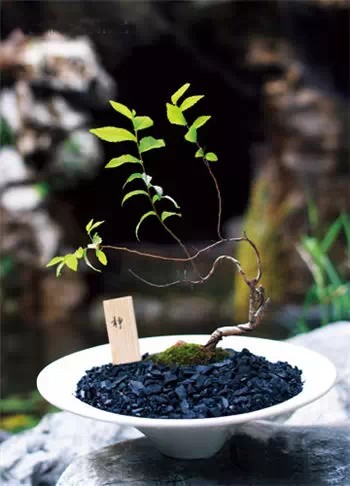
How to make "stillness" the theme in bonsai creation?
I used to think freedom meant doing whatever you want, with no one to supervise you and no restrictions, and that was the only way to live comfortably. Only later did I realize that freedom comes from self-discipline; indulgence does not bring inner ease, but rather surrounds you with aimless anxiety. When a person lacks self-management,
-
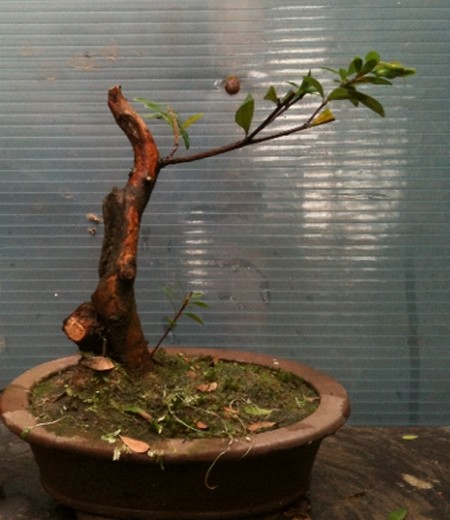
Detailed Explanation of Methods for Sourcing Material for Syzygium buxifolium Bonsai Creation
Syzygium buxifolium is a wild evergreen shrub of the mountainous regions of Jiangnan, rarely cultivated artificially. According to its ecological habits and biological characteristics, it can be propagated by sowing or cuttings. However, for making bonsai, wild plants or old stumps are mostly used. Collection from the wild: in the mountainous hills of Jiangnan
-
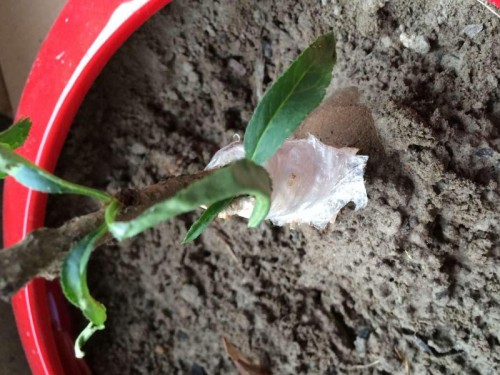
Detailed guide to the quick method for making peach tree bonsai, quickly master the key techniques of creation
A pot of peach tree bonsai with red flowers blooming in competition welcomes spring and blooms, red as fragrant beads, brilliant as rosy clouds, adorning the home, conveying the meaning of spring. Give it to leaders, give it to bosses, wishing them great prospects; give it to elders, give it to seniors, wishing them health and longevity; give it to young men, give it to young women, wishing them a bountiful harvest of love; give it to relatives, give it to friends, wishing them constant good luck
-
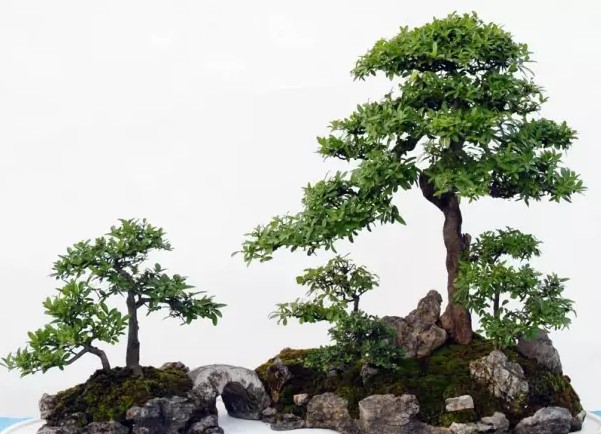
What artistic principles should be followed in bonsai creation
In the process of making bonsai, certain artistic principles should be followed. Only in this way can bonsai possess endless artistic charm. 1. Learn from nature, treat materials according to their properties. Bonsai expresses scenes of the natural world, so it must conform to nature and follow natural laws. Moreover, the materials used in bonsai
-
What are the two dualities in the artistic creation of bonsai?
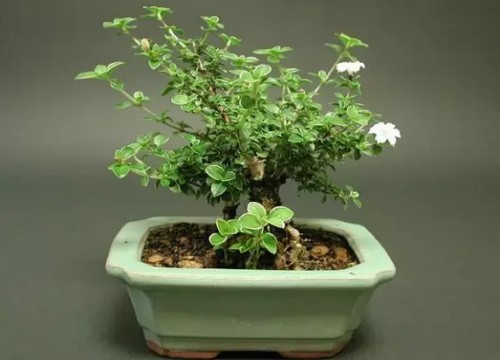
We know that music, literature and the like belong to the temporal arts, while painting, sculpture, architecture and the like belong to the spatial arts; whereas dance, drama, film, bonsai and the like belong to the spatiotemporal arts. This is to say that a bonsai work possesses not only spatiality but also temporality, and its scenery changes with the passing of spring, summer, autumn and winter.
-
Ten Subjective Mental Tendencies to Abandon in Penjing Creation
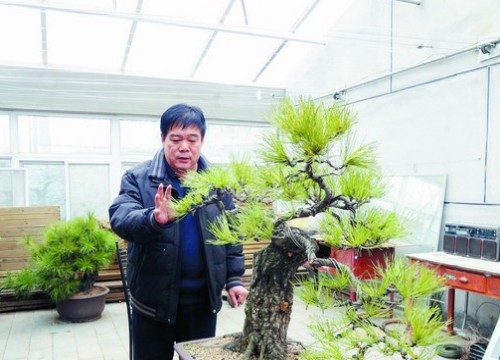
In the process of penjing creation, since it is human subjective consciousness acting upon an objective entity, a series of ideological and mental activities inevitably run through it. Under the same conditions of region, economy and resources, there will be relatively large gaps between different creators in terms of quality level and speed of progress. Among the many factors
条件筛选