What to do about root rot in Monstera deliciosa? Here's the correct way to handle it
Monstera deliciosa is native to tropical rainforests, so it naturally prefers a warm and humid growing environment. However, when growing Monstera deliciosa in a pot, you must never let water accumulate in the pot, otherwise it will develop root rot just like most other plants, which will in turn inhibit the plant's growth, causing the leaves to turn yellow and droop, and the originally bright green sheen on the leaves will also disappear.
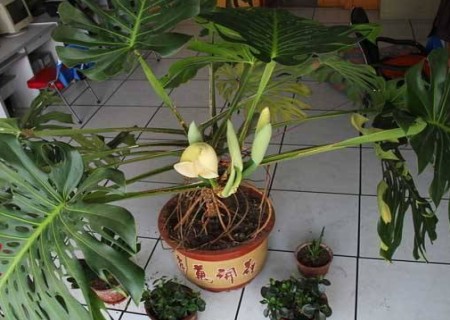
If you keep your potted Monstera deliciosa outdoors, then in summer, in addition to providing shade, you also need to keep it moist, but avoid water accumulating in the pot; in autumn and winter, you should also control the watering frequency and amount, and likewise need to avoid water accumulating in the pot. To safely supply water to the plant, it is recommended to frequently mist the leaves to keep them moist.
Besides watering causing root rot in the plant, over-fertilizing can also cause root rot. So what should you do if carelessness in water and fertilizer management has caused root rot in your Monstera deliciosa?
If you find that the plant has developed root rot, first stop watering and fertilizing, then take the plant out of the pot, cut away the rotted parts of the root system, then prune some of the leaves as appropriate, and place the plant in a cool and ventilated place to dry. As for how long to let it dry, it is recommended to wait until the wounds on the plant have dried and healed before potting and transplanting it, and replanting it.
The above are solutions for when soil-cultured Monstera deliciosa develops root rot, but what should you do if water-cultured Monstera deliciosa develops root rot?
When you find that water-cultured Monstera deliciosa has root rot, you likewise need to take the plant out of its container and prune the rotted parts of the roots to prevent infection of the other healthy roots. However, after pruning the roots, it is recommended to soak it briefly in a diluted potassium permanganate solution for sterilization and disinfection, then take the plant out and set it aside to dry.
Next, clean the water-culture container. If you find moss or other slimy matter sticking to the inner walls of the container, you need to clean it off thoroughly, and it is recommended to use it only after sterilization and disinfection. Or simply switch to a new container, then fill the container with fresh clean water, then insert the treated plant back into the water in the container, and wait until the plant has sprouted new roots and resumed normal growth before returning to normal care and management.