How to fertilize mint? Master the correct fertilization method
Mint is used very widely in our country and has considerable value in various industries. Its benefits to the human body are quite significant: it can enhance appetite and promote digestion, and it also has various effects such as treating colds and providing cooling and heat relief. So the planting area of mint is now quite extensive. So how should mint be fertilized when growing it? Below, the editor will briefly introduce it to everyone. Let's take a look!
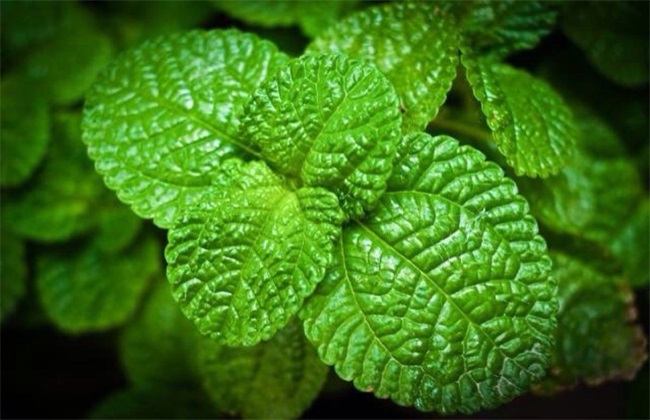
1. Growth habits
Mint has relatively strong growth ability and can adapt quickly in many environments, with no great demands on temperature or soil. Although mint's growth ability is relatively strong, its demand for nutrients is still relatively high, and in order to achieve the goal of increasing income and yield, fertilization work is essential. During the growing process, mint needs many trace elements, such as iron and calcium, and basic elements such as nitrogen, phosphorus, and potassium are also indispensable. Only by ensuring sufficient nutrients can mint grow better and improve yield and quality.
2. Number of topdressings
When topdressing mint, pay attention to controlling the number of topdressings. Generally, during the entire growth period of mint, topdressing is done about 3 times. During the first-cut stage of mint, control the amount of fertilizer according to mint's growth condition and soil fertility, and carry it out together with intertillage and weeding work. When mint seedlings grow to about 10cm tall, carry out the first topdressing; at this time, the amount of fertilizer used should not be too much. Because its root capacity is still relatively weak, and the soil temperature has not fully risen yet, if too much fertilizer is applied, fertilizer damage is likely to occur.
3. Second topdressing
The second topdressing of mint is carried out at the Beginning of Summer, when the mint plants grow relatively quickly. Root capacity also gradually strengthens, sap flows quickly, and the number of leaves also increases, so photosynthesis becomes greater. Therefore, during this period, mint's demand for nutrients increases. Thus, the amount of fertilization should be appropriately increased, with farmyard manure and cake fertilizer as the main fertilizers. Then at the Grain in Ear period, carry out the third topdressing, reasonably according to mint's growth condition.
4. Topdressing during the second-cut stage
Finally, we must also do a good job of topdressing during the second-cut stage of mint. During the second-cut stage, topdress once when the seedlings grow to 10cm, and then topdress again when they grow another 10cm. The main fertilizers should be urea or compound fertilizer, to ensure that the subsequent new seedlings have sufficient vegetative growth and to improve yield. Finally, carry out the last topdressing one month before harvest, to extend mint's harvest period, which is very good for mint's yield and quality.
The above is a brief introduction to mint fertilization methods. Although fertilization of mint is important, there must also be a reasonable fertilization method and a guaranteed fertilization amount, so as to better promote mint growth. That is all for today's introduction. This article is for reference only, and I hope it can help everyone!