What diseases need to be prevented and controlled when growing cucumbers? A detailed guide to cultivation techniques
What diseases need to be prevented and controlled when growing cucumbers? We ask friends with experience to help explain. The main diseases that occur during cucumber cultivation are downy mildew, powdery mildew, phytophthora blight, and bacterial angular leaf spot; below is a detailed introduction to these diseases and their control methods (for everyone's reference). 1. Cucumber downy mildew...
 What diseases need to be prevented and controlled when growing cucumbers? We ask friends with experience to help explain
During cucumber cultivation, the main diseases that occur are downy mildew, powdery mildew, phytophthora blight, and bacterial angular leaf spot; below is a detailed introduction to these diseases and their control methods (for everyone's reference).
1. The harm caused by cucumber downy mildew:
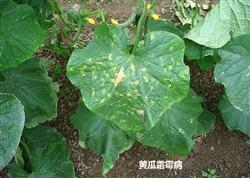
Downy mildew is a disease caused by fungal infection. It can occur throughout the entire growth period. After seedlings are infected, the cotyledons show irregular yellowing. When infection occurs at the true leaf stage, water-soaked small spots mostly appear at the leaf margins or in localized areas of the leaf, quickly turning from yellow-green into large yellow spots. Under humid conditions, black mold develops on the underside of the leaves. When the disease is severe, the leaves dry up and die.
Main causes of onset: high air humidity and large day-night temperature differences.
Control methods for cucumber downy mildew:
Method 1: Choose disease-resistant varieties.
Method 2: Strengthen water control as the core measure, cultivate strong seedlings, and increase the application of phosphorus and potassium fertilizers.
Method 3: Spray with 25% metalaxyl wettable powder at 800 times dilution, 75% chlorothalonil at 600 times dilution, 65% zineb at 500 times dilution, or mancozeb wettable powder at 500 times dilution. You can also fumigate with 45% chlorothalonil smoke agent at 250 grams per mu.
2. The harm caused by cucumber powdery mildew:
Powdery mildew is a disease caused by fungal infection. This disease is commonly known as "white fuzz." It occurs from the seedling stage through the entire growth period, affecting leaves, petioles, and stems. At onset, small white powdery spots first appear on the leaf surface, gradually expanding and merging with each other into irregular large powdery patches. When the disease is severe, the underside of the leaves is also covered with white powder.
Causes of cucumber powdery mildew:Alternating periods of high temperature and high humidity with high temperature and drought.
Control methods for cucumber powdery mildew:
Method 1: Choose disease-resistant varieties.
Method 2: Strengthen intertillage management, cultivate strong seedlings, increase the application of phosphorus and potassium fertilizers, water at the right time and in the right amount, and plant at a reasonable density.
Method 3: Promptly remove old leaves and diseased leaves to improve ventilation and light penetration.
Method 4: Control with 15% triadimefon at 1500 times dilution, 75% chlorothalonil wettable powder at 600 times dilution, or 50% sulfur suspension concentrate at 200-300 times dilution.
3. The harm caused by cucumber phytophthora blight:
Cucumber phytophthora blight is a disease caused by fungal infection. All stages and all parts of the plant can be infected and damaged. The diseased parts appear dark green and water-soaked, with soft rot and constriction; the organs above the affected area wilt and die as the disease progresses. After the fruit is infected, it becomes soft and rotten, develops a white frost-like coating, and gives off a fishy odor.
Causes of cucumber disease onset:
1. It spreads through wind and rain. The more rain and the earlier the rain, the earlier the disease occurs.
2. Disease is severe in plots with sticky soil and poor drainage.
3. Application of undecomposed farmyard manure.
Control methods for cucumbers:
1. Strengthen cultivation management, choose plots with good drainage, avoid flood irrigation, apply decomposed farmyard manure, and increase the application of phosphorus and potassium fertilizers.
2. At the early stage of disease, use 25% metalaxyl wettable powder at 800-1000 times dilution; 58% metalaxyl-mancozeb at 500 times dilution, 75% chlorothalonil at 600 times dilution, 64% oxadixyl at 500 times dilution; you can also use a mixture of 25% metalaxyl and 54% thiram wettable powder at a 1:1 ratio diluted 500 times for root drenching, using 0.25-0.5 kg of solution per plant.
4. The harm caused by cucumber bacterial angular leaf spot
Cucumber bacterial angular leaf spotThis is a disease caused by bacterial infection. Both leaves and fruits can be affected. After the cotyledons are infected, they show water-soaked, nearly circular sunken spots that gradually turn yellow-brown. After true leaves are infected, they show light green water-soaked spots, which later become angular yellow spots restricted by the leaf veins. When humid, a water-soaked ring surrounds the lesion and bacterial ooze is produced. When dry, the lesions dry, crack, and perforate.
Causes of cucumber bacterial angular leaf spot:
1. Seeds, wind and rain, irrigation, insects, and farm tools can all serve as vectors for spreading the disease.
2. Low temperature and high humidity, or humid and rainy conditions, are the main conditions for onset.
Control methods for cucumber bacterial angular leaf spot:
1. Strengthen cultivation management and implement crop rotation.
2. Soak seeds in warm water at 50-55°C for 20 minutes, or soak seeds in streptomycin sulfate at 3 million units for 2 hours; or soak seeds in agricultural streptomycin at 200 PPM for 30 minutes.
3. Promptly remove diseased leaves and residual plants, control watering, and ventilate to reduce humidity, which helps reduce the disease.
4. Spray with 25% metalaxyl at 600-800 times dilution; agricultural streptomycin at 4000-5000 times dilution, or new plantmycin at 150-200 PPM for control.
Click to get more cucumber cultivation techniques
Click to get more vegetable growing techniques