-
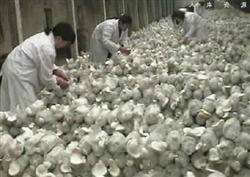
What causes irregular pinning in white lingzhi mushrooms (Pleurotus nebrodensis), and how can it be prevented and controlled?
What is irregular pinning in white lingzhi mushrooms (Pleurotus nebrodensis), and how should it be prevented and controlled? Please provide an introduction and control methods. Irregular pinning in white lingzhi mushrooms means that mushroom primordia do not form normally at the two ends of the mushroom bag, but instead appear in the middle of the bag, which has a major impact on yield. The following four points can effectively prevent irregular pinning in white lingzhi mushrooms: First, the mushroom bag filling must be standardized. Try to fill the bags evenly and tightly...
-
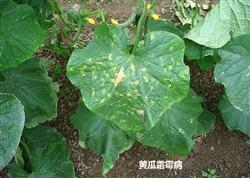
What diseases need to be prevented and controlled when growing cucumbers? A detailed guide to cultivation techniques
What diseases need to be prevented and controlled when growing cucumbers? We ask friends with experience to help explain. The main diseases that occur during cucumber cultivation are downy mildew, powdery mildew, phytophthora blight, and bacterial angular leaf spot; below is a detailed introduction to these diseases and their control methods (for everyone's reference). 1. Cucumber downy mildew...
-
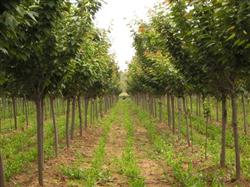
What are the common pests and diseases of cherry blossoms, and how are they controlled?
What are the common pests and diseases of cherry blossoms? Here is an introduction to how to control them. There are many types of pests and diseases affecting cherry blossoms; the common ones are described below: Shot-hole brown spot disease occurs from May to June, with small purplish-brown spots appearing on the leaves, which gradually expand into circular shapes; after the diseased spots dry and shrink, they become small holes. The pathogen mostly overwinters on diseased branches and diseased...
-
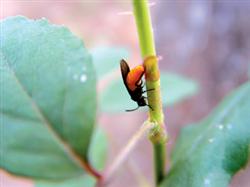
What common insect pests need to be controlled when growing roses?
What pests need to be prevented when growing roses? Please give an introduction. When growing roses, the following pests need to be prevented: 1. Cnidocampa flavescens (Walker), of the order Lepidoptera, family Limacodidae, also known as the slug moth, octagonal worm, octagonal jar, itching chili, poisonous hairy caterpillar. It is distributed in almost every province nationwide. Besides damaging roses, it also damages crabapple, jujube, redbud, mulberry, ...
-
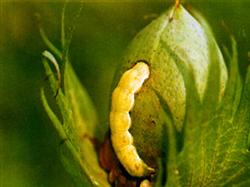
How are pests controlled during cotton cultivation?
How do you control pests when growing cotton? Please explain the methods. The following methods can be used to control pests when growing cotton: 1. **Integrated control of cotton field spider mites** The cotton region is one of the areas with the most severe occurrence of cotton spider mites nationwide. In particular, after plastic film cotton planting, conditions were created for cotton spider mites to enter cotton fields early, ...
-
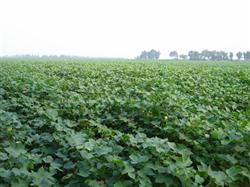
Which diseases need to be prevented and controlled in cotton cultivation?
What diseases need to be prevented and controlled when growing cotton? Please give an introduction. Cotton has different diseases at each stage of growth. The following introduces the diseases at the cotton seedling stage and their prevention and control for reference: 1. Seedling stage disease - damping-off (seedling death). After cotton seedlings emerge, yellow-brown lesions appear at the base of the stem (where it meets the soil surface),...
-
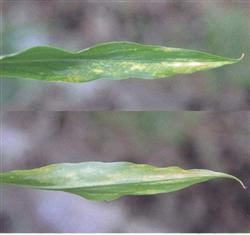
Ginger Cultivation Techniques: What Diseases of Large Ginger Need to Be Prevented and Controlled?
What diseases of large ginger need to be prevented and controlled? Please give an introduction. The following introduces several common diseases of large ginger and their prevention and control methods: Ginger blast: mainly spread by irrigation water and underground pests, and can occur from the sprouting and emergence of seed ginger to before the harvesting of ginger. This disease mostly occurs in high-temperature, frequently rainy, and waterlogged fields. Prevention and control: ginger...
-
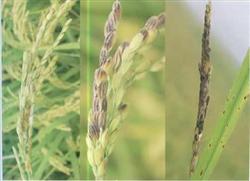
Why does rice produce empty and blighted grains, and how should it be prevented and controlled?
Why does rice produce empty and blighted grains, and how should it be prevented and controlled? Please give a detailed introduction. Under normal conditions, the rate of empty and blighted rice grains is generally 10%-20%, and in severe cases can reach 40%, which greatly affects rice yield. 1. Causes of formation. The rate of empty and blighted rice grains is mainly affected by 3 factors. 1. Climatic...
-
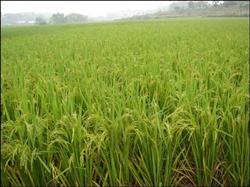
How should pests and diseases be controlled in the late growth stage of rice?
How should pests and diseases in the late stage of rice be controlled? Please provide guidance methods. Pests and diseases cause serious damage in the late stage of rice. The control methods can refer to the following: 1. Sheath blight: The disease has recently been rising faster. In a general survey of each town on September 10, the average rate of diseased hills was 13.7%, and the rate of diseased plants was 3.3%. The disease situation has clearly accelerated compared with the previous period...
-
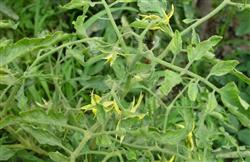
What diseases should be prevented and controlled when growing tomatoes in summer?
What diseases should be prevented and controlled when growing tomatoes in summer? Please advise. For reference, the following diseases should be prevented and controlled when growing tomatoes in summer: Viral disease: high temperature and drought are the primary conditions for the disease to occur. The suitable temperature for viral disease is between 38-43°C; below 35°C or above 45°C is not conducive to the disease. In daily cultivation management, ...
条件筛选