-
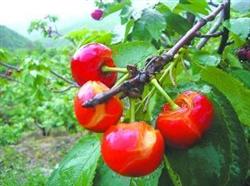
How to Prevent Fruit Cracking in Sweet Cherries: A Detailed Guide to Practical Control Methods
Cherries are prone to cracking in rainy weather. What methods can prevent fruit cracking in sweet cherries? When cherries are exposed to rain close to maturity or before harvest, fruit cracking occurs. This problem is widespread in cherry-producing regions of China and brings huge losses to fruit growers every year. Methods such as spraying mineral substances, hormones and other protective agents to prevent fruit cracking have an effect of only about 1%-3%; breeding excellent crack-resistant rootstocks and varieties is an effective measure, but so far there are still no highly resistant rootstocks and varieties available for selection; flood irrigation of the cherry orchard 24 hours before rain can reduce the fruit cracking rate of sweet cherries by 30%, but because weather changes cannot be accurately predicted, fruit growers cannot accurately apply this technique; the trunk girdling technique at full bloom stage has a very significant effect on preventing fruit cracking, but it often easily causes heavy gumming and tree death due to heavy fruit load or weak tree vigor. Aiming at the main problems in sweet cherry production, this study controlled the fruit cracking rate of sweet cherries within 0.3% at low cost by building simple "rain shelters" for sweet cherries.
-
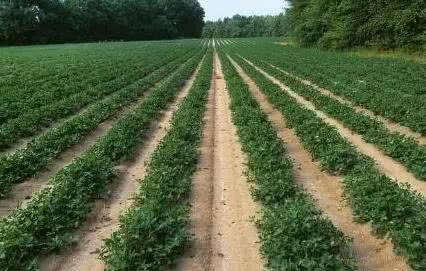
For peanut growth control, you must pick the right time; too early or too late is no good, and doing it in two applications works better.
In recent years, the topic of growth control has become quite popular. Corn, peanuts, soybeans, sweet potatoes and many other crops all depend on growth control, and there is a dazzling array of growth control agents that leave farmers spoiled for choice. However, the use of growth control agents also has its finer points...
-
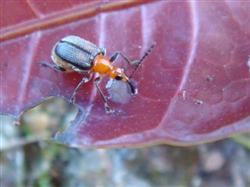
What are the control methods for mango weevil infestation?
1. The mango leaf-cutting weevil is widely distributed. Adult beetles feed on tender mango leaves, causing the leaves to dry up; or the female lays eggs on tender leaves and bites the tender leaves off at the base, affecting plant growth. Control methods: ① During the period of new shoot growth, pick up the bitten-off fallen leaves from affected plants once every 3 days, dry them in the sun and burn them to kill the larvae;...
-
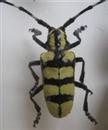
What are the control methods for the mango stem borer (Rhytidodera simulans)?
Distribution and damage: it occurs both domestically and abroad, with varying degrees of occurrence in Yunnan, Guangdong, Guangxi, Fujian and other areas of China. The larvae bore into and feed on the branches of fruit trees such as mango and cashew, usually entering through young branches and gradually boring downward into larger branches and the trunk, seriously affecting the growth vigor of the plant and ultimately causing the death of the entire plant....
-
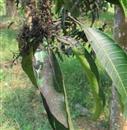
How to prevent and control mango sooty mold? Introduction to practical methods
What is mango sooty mold? How to prevent and control this fungal disease. Currently, 6 pathogens causing mango sooty mold have been identified in China. It damages leaves, branches and shoots, and fruit, affecting leaf photosynthesis and fruit appearance. Control methods: First, rational close planting and pruning to keep the canopy well ventilated and exposed to light. ...
-
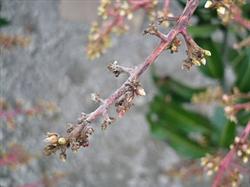
How to prevent and control mango powdery mildew? Key control points explained in one article
How to prevent and control mango powdery mildew? Please advise. Powdery mildew is an important disease of mango during the flowering period, damaging inflorescences, young fruit and tender leaves. It occurs in production areas in Guangdong, Hainan, Yunnan, Guangxi and other parts of China. It has also been reported in India, Pakistan, Brazil, South Africa, Australia, Sri Lanka and other countries abroad. Symptoms...
-
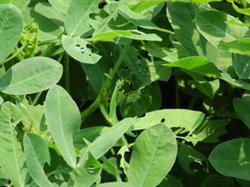
Practical Methods of Using Fertilizers to Control Crop Pests
1. Nitrogen fertilizer: Commonly used nitrogen fertilizers, such as urea, ammonium bicarbonate, and ammonia water, have stimulating, corrosive, and fumigating effects on pests, and are effective for controlling small, low-endurance pests such as aphids and red spider mites. When pests occur, spray a 2% urea solution or 1% ammonium bicarbonate solution on the leaves, once every 7 days, for 2--3...
-
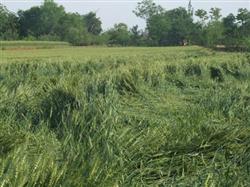
Key Technical Points for Spring Pest and Disease Control in High-Quality Wheat
1. Spraying paclobutrazol: At the wheat jointing stage, spray 30 kg of 200 ppm paclobutrazol solution per mu. This can dwarf the plants, enhance lodging resistance, and also control wheat powdery mildew and improve the plant's absorption and utilization rate of nitrogen. 2. Applying uniconazole: Uniconazole is a new type of high-efficiency plant growth regulator, and its biological activity...
-

Cut Lily Disease Prevention and Control Methods and Key Technical Points
I. Lily blight 1. Symptoms: Stems, leaves, flowers and scales can all be affected, mainly the tender leaves of the flowers. When leaves are affected, small water-soaked spots appear, which gradually expand and turn grayish-green. When the stem is affected, the water-soaked discolored area spreads upward and downward and rots, further developing into bending and drooping of the stem. In severe cases, the flowers...
-
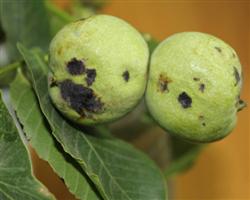
What are some practical tips for controlling walnut pests and diseases?
What are the key secrets to controlling walnut pests and diseases? Please advise. The following introduces several key tips for controlling walnut pests and diseases for reference: Variety selection is the root cause. Nowadays, walnut cultivation is being developed in many places, all rushing in like a swarm, some planting seedling trees, some planting grafted seedlings. The problems brought by rushing ahead are many. For example, it leads to mixed walnut varieties, and serious cross-infection of pathogens.
条件筛选