Practical Methods of Using Fertilizers to Control Crop Pests
1. Nitrogen fertilizer: Commonly used nitrogen fertilizers, such as urea, ammonium bicarbonate, and ammonia water, have stimulating, corrosive, and fumigating effects on pests, and are effective for controlling small, low-endurance pests such as aphids and red spider mites. When pests occur, spray a 2% urea solution or 1% ammonium bicarbonate solution on the leaves, once every 7 days, for 2--3...
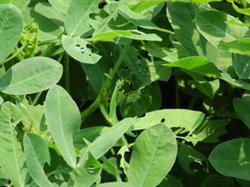
1. Nitrogen fertilizer: Commonly used nitrogen fertilizers, such as urea, ammonium bicarbonate, and ammonia water, have stimulating, corrosive, and fumigating effects on pests, and are effective for controlling small, low-endurance pests such as aphids and red spider mites. When pests occur, spray a 2% urea solution or 1% ammonium bicarbonate solution on the leaves, once every 7 days, for 2--3 consecutive applications, achieving good control results.
2. Phosphate fertilizer: Spraying phosphate fertilizer on tomatoes, corn, and cotton can control cabbage caterpillars, cotton bollworms, and other pests.
3. Potassium fertilizer: Mix 10 kg of plant ash with 50 kg of water, soak for a day and a night, and spray the filtrate to control aphids.
4. Calcium fertilizer: Applying 30--40 kg of silicon-calcium fertilizer per 667 sq m to corn and soybeans can prevent damage from Asian corn borers and bean pod borers; applying 20--30 kg per 667 sq m to wheat can reduce damage from armyworms. In addition, spraying 1% urea plus 1% dichlorvos emulsifiable concentrate can kill pests such as red spider mites and aphids on vegetables.