-
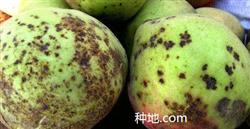
What disease causes black spots on peach fruit? A detailed guide to prevention and control methods
What disease causes large numbers of black spots on peaches? How should it be prevented and controlled? The main symptoms of peach scab are: peach scab mainly damages the fruit, but can also attack leaves and new shoots. When the fruit is affected, dark brown round spots usually appear on the shoulder, gradually expanding to 2-3 mm, then becoming black mole-like spots,...
-
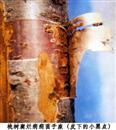
How to treat peach tree canker? Detailed prevention and control methods
How should peach tree canker be treated once it occurs? Peach tree canker mainly overwinters as mycelium and pycnidia in the trunk of diseased loquat trees and other diseased plant debris; the mycelium is generally spread by rain and infects the tree through wounds. Under normal management conditions, the tree's load is a key factor affecting the incidence of the disease...
-
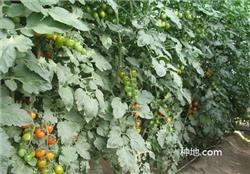
What to Do When Cherry Tomatoes Grow Too Vigorously? A Detailed Guide to Practical Vigor-Control Methods
What should you do if the cherry tomatoes you are growing now are growing too vigorously? The following methods can be used to control it: To control excessive vigor in cherry tomatoes, practice has proven that layering the vines to control the plant works very well. Layering the vines weakens apical dominance and inhibits rapid vegetative growth; by making use of this effect, plant vigor can be well regulated....
-
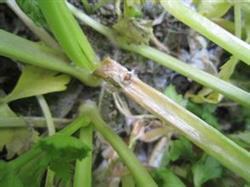
Pollution-free control methods and techniques for sclerotinia disease of coriander
1. Agricultural control (1) Practice crop rotation or high-temperature control. In diseased fields, practice a 2-3 year rotation with grain crops, or a 1-year rotation with rice or with aquatic vegetables. Where protected cultivation land cannot be rotated, high-temperature control may be adopted, as follows: during the high temperatures of the three summer months, first clean the field, remove diseased leaves and stems and weeds, carry them out of the field and bury them deep or burn them; apply 50-100 kg of lime per 666.7 sq m, add 500 kg of chopped rice straw or wheat straw, spread evenly on the surface, immediately turn into the soil, form high ridges about 30 cm tall, and fill the furrows with water until saturated; to keep water in the furrows at all times, irrigate every day; cover with plastic film, seal the edges tightly with soil, and keep the greenhouse or room closed for 15-20 days. This method can not only kill the lower sclerotia, but also kill pathogens such as Fusarium and root-knot nematodes.
-
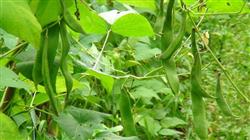
Key Techniques for Controlling Root Rot of Kidney Beans in Protected Cultivation
The suitable planting areas for white kidney beans in Shangri-La County are the mountainous and semi-mountainous areas of five townships along the Jinsha River: Hutiaoxia Town, Jinjiang Town, Shangjiang Township, Wujing Township, Sanba Township and Luoji Township. These areas sit against high mountains, have a beautiful environment, are free from the "three wastes" pollution of industry and mining, and are far from towns and cities. The soil is mostly red-brown earth and oil-sand soil...
-
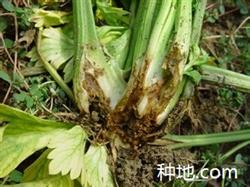
How can celery sclerotinia rot be controlled effectively?
What should you do when sclerotinia rot affects celery? Celery sclerotinia rot can damage leaves, petioles and stems. Usually the leaves are affected first, showing dark dirty patches, and when humid the surface is densely covered with white mold. It then spreads downward and causes the petioles and stems to become affected. The affected parts are brown and water-soaked, and when the disease progresses rapidly soft rot forms, with white...
-
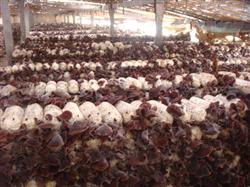
What are the methods for preventing and controlling pests and diseases in wood ear mushrooms?
Symptoms of green mold disease in wood ear mushrooms: After the spawn bags, spawn bottles, the area around the inoculation holes in log wood, and the fruiting bodies are infected by green mold, white slender hyphae first grow on the culture material, log wood, or fruiting bodies. After a few days, conidia can form. Once the conidia form in large numbers or mature, the colony turns green and powdery....
-
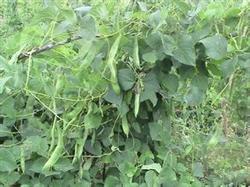
Main Pests and Diseases of Kidney Beans and Their Control Methods
See symptoms of southern blight of cucurbits: the stem base turns dark brown, densely covered with white filamentous mycelial strands, and later tea-brown round sclerotia form on the mycelial layer. Disease pattern and control methods: refer to southern blight of cucurbits. Distribution and host plants of sclerotinia rot of kidney bean: distributed in all regions. Besides damaging kidney beans, ...
-
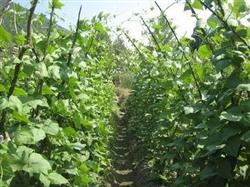
How to solve red root in kidney beans? Detailed explanation of prevention and control methods
The kidney bean originated in Mexico and the Americas and began spreading around the world from the 17th century. It is also known as the multiflora bean and the large-flowered kidney bean. It has a long history of cultivation, and because of large export volumes, its area has expanded year by year. It is rich in nutrients and high in protein; it is both a vegetable and a food grain, and can also be used for pastries and bean paste, making it an export earner...
-
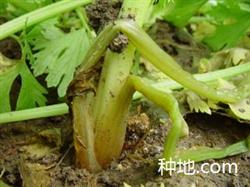
What to do when celery stalks are thin and long? Teach you effective control methods
What should you do when celery suffers from soft rot? Celery soft rot, also known as rot disease or putrefaction disease. The optimum temperature for onset is generally 25-30°C, and the affected parts are mainly the base of the leaf stalks or the stems. In the early stage, the lesions appear as water-soaked, light brown sunken spots, then become wet rot, turn black and give off a foul odor, with only the epidermis remaining. Control methods...
条件筛选