What are the methods for preventing and controlling pests and diseases in wood ear mushrooms?
Symptoms of green mold disease in wood ear mushrooms: After the spawn bags, spawn bottles, the area around the inoculation holes in log wood, and the fruiting bodies are infected by green mold, white slender hyphae first grow on the culture material, log wood, or fruiting bodies. After a few days, conidia can form. Once the conidia form in large numbers or mature, the colony turns green and powdery....
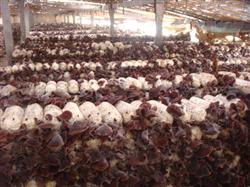
Green mold disease of wood ear mushrooms
Symptoms After the spawn bags, spawn bottles, the area around the inoculation holes in log wood, and the fruiting bodies are infected by green mold, white slender hyphae first grow on the culture material, log wood, or fruiting bodies. After a few days, conidia can form. Once the conidia form in large numbers or mature, the colony turns green and powdery.
Control 1. Maintain clean and hygienic conditions in the mushroom yard, mushroom house, and their surrounding environment. 2. The mushroom house and mushroom yard must have good ventilation and convenient drainage. 3. After fruiting begins, spray 1% lime water once every three days, which has a good mold-preventing effect. 4. If green mold occurs on the surface of the culture material and has not yet penetrated deep into the material, wipe the affected area with lime water at pH 10 to control the growth of green mold.
Rotten ear (also known as flowing ear)
Symptoms After the ear pieces mature, they become soft, and the ear pieces or even the ear base autolyze and rot.
Control 1. In response to the above causes of rotten ear, strengthen cultivation management, paying attention to ventilation and light. 2. Harvest in time; harvest immediately when the ear pieces are nearly mature or already mature. 3. A 25 mg/kg chlortetracycline or oxytetracycline solution can be sprayed to prevent flowing ear.
Mold prevention for wood ear fungus blocks
Causes Mold contamination of wood ear fungus blocks is an important reason for reduced yield of wood ear fungus blocks and affected product quality. Penicillium and Trichoderma are the most common contaminating fungi on wood ear fungus blocks.
Mold prevention measures 1. Select strains with relatively strong mold resistance. 2. Use fresh raw materials for oversummering. 3. Add anti-mold agents to the culture material. At present, the relatively effective methods are using a 0.1% potassium permanganate aqueous solution, or mixing the material with clear lime water; the latter can also prevent the culture material from becoming too acidic. 4. Use spawn that has already fully colonized the bottles to press into blocks and dig out the bottles. The block-pressing tools and plastic film must all be disinfected with a 0.1% potassium permanganate solution. Within 1 week after pressing the blocks, the hyphae have not yet fully recovered. If mold appears, apply saturated clear lime water to the affected area. 5. Protect environmental cleanliness. During the fruiting period, after harvesting the first batch of wood ear mushrooms, spray the ground once every 3-5 days with 1% lime water, or 1%-2% cresol soap solution, or 0.1% carbendazim, or use them alternately, to control the growth of contaminating fungi. 6. Incubating indoors and fruiting outdoors is considered an effective mold-prevention measure for wood ear fungus block cultivation. 7. Strengthen water management according to the water loss of the fungus blocks and the air flow.
Thrips
Damage symptoms They begin harming wood ear mushrooms from the larval stage. After invading the ear pieces, they suck the sap, causing the ear pieces to shrink, and in severe cases causing flowing ear.
Control Use 500-1000 times diluted 40% dimethoate emulsifiable concentrate, 1000-1500 times diluted 50% wettable trichlorfon solution, or 1500 times diluted malathion for spraying and killing.
False ground beetles
Damage symptoms Adults gnaw the outer layer of the ear pieces, while larvae harm the ear pieces and ear base, or bore into the inoculation holes to feed on ear buds. The damaged ear base no longer produces ears. Dried ears stored in storage can still be harmed after they absorb moisture again.
Control methods Remove fallen branches and leaves from the cultivation site and spray 200 times diluted dichlorvos solution to kill latent pests. When pests occur in large numbers, first remove the ear pieces, then spray with 1000-1500 times diluted dichlorvos solution; 500-800 times diluted derris extract, 500-800 times diluted pyrethrum emulsifiable concentrate, or 1500 times diluted malathion can also be used for control, and 1000-2000 times diluted 50% wettable trichlorfon solution can also be used to soak the log wood. During the Grain in Ear and End of Heat periods, after each picking of ears, any of the above chemicals can be sprayed once.