-
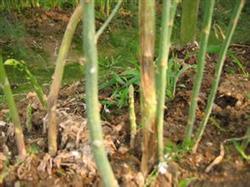
Occurrence Characteristics and Control Methods of Common Asparagus Diseases
I. Asparagus Fusarium Wilt 1. Symptoms. Asparagus fusarium wilt, also known as wilt disease, is a soil-borne disease. Initially, individual plants in the field turn yellow and wilt, and as the disease spreads, the entire plant dies. When young stems are infected, the cladodes and stems turn brown or split longitudinally. Brown lesions can appear on the underground stems and roots of diseased plants, and in later stages the affected parts rot, producing white to pink mold. When young spears are infected, the stems are thin or unable to emerge from the soil.
-
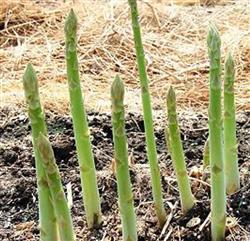
Control Methods for the Asparagus Beetle
It is widely distributed in China, with 3-4 generations per year in Shandong and other places. Adults and larvae feed on the young stems or epidermis of asparagus, causing damage that can lead to deformed shoots or completely defoliated stems, resulting in shortened, deformed or branching shoots with clustered cladodes, and in severe cases the plants dry up and die. [Control Methods] 1. Clean the asparagus field to remove pests: promptly clean the field before winter or in early spring...
-
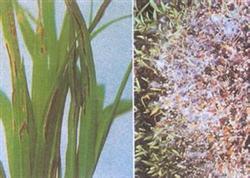
How to prevent and control rice Phytophthora disease? Detailed explanation of control methods
Rice Phytophthora disease: Diseased fields should be drained and dried in time, which can effectively inhibit the spread of the disease. Chemical control should focus on protecting early rice seedlings at the 3-leaf stage. Generally, pesticides should be applied before cold-protection irrigation or after drainage. The pesticides include: 50% carbendazim 1000-fold solution; 50% thiophanate or 50% benomyl 500-fold solution; 40% Phytophthora-killing 500-fold solution....
-
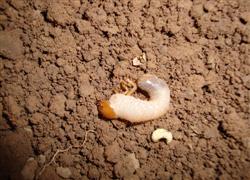
Spring Wheat Soil Pest Control Methods
Soil pests are mainly white grubs, mole crickets and wireworms, among which wireworms cause the most serious damage to wheat. After the Spring Festival, the peak period of soil pest damage runs from mid-March to early April, when they bite through wheat roots and stems, causing severe gaps and broken rows of seedlings and greatly affecting wheat yield. In recent years, soil pests have become...
-
Symptom Identification and Control Methods of Wheat Rosette Stunt
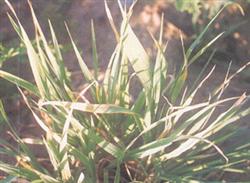
I. Disease Development Pattern Wheat rosette stunt is a viral disease spread by the vector Laodelphax striatellus (small brown planthopper). There are two peak periods of virus transmission and infection by the small brown planthopper on wheat: the first peak period is after wheat emergence, and the second peak period is after wheat turns green. As temperatures gradually rise, the overwintering generation of small brown planthoppers begins to feed and move on wheat seedlings, spreading the virus.
-
Detailed Explanation of the Causes of Mass Asparagus Death and Prevention and Control Methods
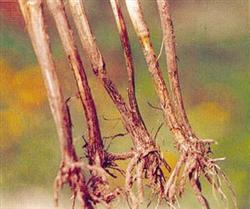
The causes of asparagus plant death are as follows: 1. Asparagus likes light. In September-October 2007, just when the aboveground parts of asparagus were growing vigorously and accumulating nutrients to lay the foundation for a high yield the following year, there was an unexpected continuous rainy period the likes of which had not been seen for many years. Light was severely insufficient, causing asparagus growth to stagnate, nutrient accumulation to decrease, and stress resistance to...
-
Occurrence Patterns and Control Methods of Asparagus Stem Rot
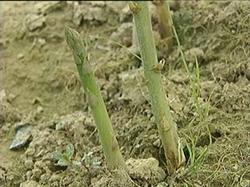
I. Symptom Characteristics Asparagus stem rot mainly affects young spears. Young spears may be infected as soon as they emerge from the soil. Water-soaked, irregular lesions appear on the young stems, expand around the stem, causing the stem tissue to disintegrate and rot, ultimately leading to the death of the young spears. Even if mildly affected plants do not die, their vigor is greatly reduced, the above-ground stems and leaves are weakened, the young stems are thin and weak, and the yield...
-
Detailed Guide to Symptom Identification and Control Methods for Asparagus Stem Blight
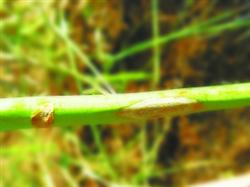
Asparagus is a valuable vegetable with excellent taste and quality. With the continuous improvement of people's living standards, the demand for asparagus in domestic and international markets is growing. Because asparagus has strong drought tolerance, it is particularly suitable for cultivation in the Tianjin area. However, as the number of planting years increases and the area expands, the occurrence of stem blight becomes more and more severe, with some fields...
-
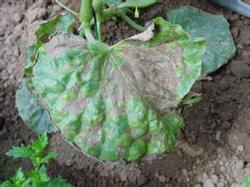
How to treat bacterial leaf blight in greenhouse melons? Detailed control methods
This disease is a bacterial disease that mainly damages leaves, petioles and young melons, and can cause damage throughout the entire growth period. When infected at the seedling stage, the cotyledons show water-soaked yellow sunken spots. When leaves are infected, the early stage shows light green water-soaked spots on the underside of the leaves, and gradually the leaf surface turns into light brown necrotic lesions. After drying, the lesion area becomes brittle and perforated. To prevent this disease...
-
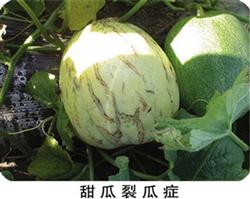
What are the control methods for small fruit and fruit cracking in melons?
As temperatures rise, melons grow rapidly, and the critical period for field management has arrived. Recently, some farmers have reported that small fruit and fruit cracking occur during melon growth. How can this be solved? To prevent small fruit, strengthen fertilizer and water management in the early stage to promote vegetative growth. According to variety characteristics and cultivation...
条件筛选