Occurrence Patterns and Control Methods of Asparagus Stem Rot
I. Symptom Characteristics Asparagus stem rot mainly affects young spears. Young spears may be infected as soon as they emerge from the soil. Water-soaked, irregular lesions appear on the young stems, expand around the stem, causing the stem tissue to disintegrate and rot, ultimately leading to the death of the young spears. Even if mildly affected plants do not die, their vigor is greatly reduced, the above-ground stems and leaves are weakened, the young stems are thin and weak, and the yield...
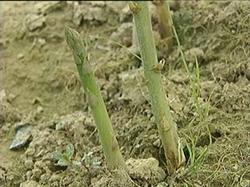
I. Symptom Characteristics
Asparagus stem rot mainly affects young spears. Young spears may be infected as soon as they emerge from the soil. Water-soaked, irregular lesions appear on the young stems, expand around the stem, causing the stem tissue to disintegrate and rot, ultimately leading to the death of the young spears. Even if mildly affected plants do not die, their vigor is greatly reduced, the above-ground stems and leaves are weakened, the young stems are thin and weak, and the yield is low.
II. Pathogen and Disease Characteristics
Asparagus stem rot is caused by infection by the genus Pythium of the Deuteromycotina. The pathogen is also a soil-inhabiting fungus that survives and overwinters in the soil as mycelium and oospores in diseased plant debris, living saprophytically in the soil with strong viability. Overwintering oospores can directly germinate germ tubes to infect and cause disease the following year, or germinate to produce sporangia, with zoospores serving as primary inoculum to infect and cause disease. Irrigation water and rainwater are the main transmission routes of the pathogen; secondarily, the pathogen can be spread through the application of manure and soil amendments. Years or seasons with continuous overcast and rainy weather are conducive to disease development. Low-lying, damp areas and heavy clay soils are more prone to the disease. Surveys on disease resistance among varieties are still lacking.
III. Control Methods
1. In areas where this disease commonly occurs, attention should be paid to improving the drainage and irrigation system of the planting site. Where conditions permit, drip irrigation can be adopted, strictly preventing flooding irrigation. After rain, clear ditches promptly to drain and reduce humidity. Heavy clay soils should be improved gradually by mixing in sand or increasing organic fertilizer application to enhance soil permeability and improve root vitality. In low-lying, damp areas, adopt high-ridge, deep-ditch cultivation and dig perimeter ditches and cross ditches to lower the groundwater level.
2. Strengthen fungicide protection during the young spear emergence period. Following the principle of preventing disease before it occurs and treating it as soon as it appears, adopt a combined spraying and drenching approach. Spray and drench with 30% copper oxychloride suspension concentrate (600x dilution) or Kocide suspension concentrate (800x dilution), or 25% metalaxyl wettable powder (600-800x dilution), or 65.5% Proplant aqueous solution (600x dilution), or 64% Sandofan wettable powder (500x dilution), 3-4 times, at intervals of 5-10 days, with shorter intervals initially and longer intervals later, applied alternately, spraying thoroughly and drenching sufficiently. For a small number of newly infected, mildly diseased plants, applying a medicinal paste to the young stems (50x dilution of the above agents) can also be used, or mixing with flour to make a paste for coating the stems, or adding a drenching treatment to control the spread of the disease.