Spring Wheat Soil Pest Control Methods
Soil pests are mainly white grubs, mole crickets and wireworms, among which wireworms cause the most serious damage to wheat. After the Spring Festival, the peak period of soil pest damage runs from mid-March to early April, when they bite through wheat roots and stems, causing severe gaps and broken rows of seedlings and greatly affecting wheat yield. In recent years, soil pests have become...
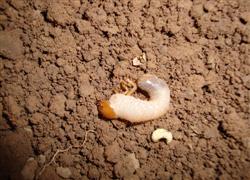
Soil pests are mainly white grubs, mole crickets and wireworms, among which wireworms cause the most serious damage to wheat. After the Spring Festival, the peak period of soil pest damage runs from mid-March to early April, when they bite through wheat roots and stems, causing severe gaps and broken rows of seedlings and greatly affecting wheat yield.
In recent years, soil pests have tended to become more severe the more they are controlled. There are two root causes: first, their damage cannot be seen when plowing, so control is not taken seriously, and some farmers do not control them at all; second, the soil pest treatment products on the market are of every kind and vary greatly in quality.
Control methods: according to the weather forecast, before rainfall, mix phoxim or 3911 with poisoned soil or poisoned bait and broadcast it, spreading it wherever there are dead wheat plants and spreading a bit more around them; after rain, the poisoned soil seeps into the soil layer and can quickly kill soil pests; use guanke diluted with water to spray the base of the wheat plants, using 50 grams per bucket of water, focusing the spray on wheat roots damaged by soil pests so the solution flows downward, giving fairly good insecticidal results.