-

A Detailed Explanation of the Occurrence Patterns and Control Methods of the Ginger Borer
The ginger borer (also known as the corn borer, belonging to the Lepidoptera order and the Pyralidae family) is a major pest harming ginger. It has a very diverse diet; when causing damage, its larvae bite and feed on tender stems, then bore into the stalk (with frass and insect droppings accumulating at the entry hole), obstructing the transport of water and nutrients, causing the stems and leaves above the bore hole to turn yellow and wilt, and to break very easily under external force. 1. Occurrence patterns. The ginger borer generally produces 3-4 generations per year in our area, and its concentrated damage period coincides exactly with the vigorous growth period of ginger plants. Larvae move between plants to cause damage
-
How to control the copper-green chafer? Practical methods shared
(1) Manual control: During the peak emergence period of adults, in the evening, kill the adults by combining artificial tree shaking with light traps outside the orchard. (2) Chemical control: In the early emergence period of adults, spray 2.5% trichlorfon powder on the tree disks of orchards with high insect density, then shallow hoe and mix it in, which can kill the adults that have emerged from the soil; during the peak period, before dark, spray the trees with 80% dichlorvos emulsifiable concentrate at 1000-1500 times dilution, adding 20% fenvalerate emulsifiable concentrate at 2000 times dilution, and spray again after 7-10 days (avoiding the flowering period), which can control the damage. Other chafer species can be controlled by
-
How to prevent and control fish helminthiasis? Detailed explanation of prevention and control methods
Fish diseases caused by some species of flatworms, roundworms, and segmented worms are called fish helminthiasis, such as: dactylogyriasis, gyrodactyliasis, diplostomiasis, ligulosis, etc. Prevention and control methods: 1. Spread 0.65-0.7 microliters/liter of crystal trichlorfon over the whole pond. 2. Use quicklime to thoroughly clear the pond and kill snails. In fry and fingerling rearing ponds, copper sulfate can be spread to make the pond water 0.7 microliters/liter, and after an interval of 12-24 hours, spread it again at the same concentration.
-
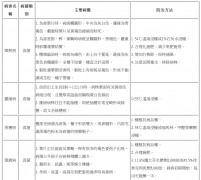
Foxtail Millet Cultivation Techniques: Field Management Measures and Pest and Disease Control Methods
Foxtail millet cultivation techniques and field management - do you know them? Soil selection and land preparation with basal fertilizer application, sowing and thinning, weed control and intertillage with earthing up - are you clear on all of these? And there is also pest and disease control - if you do not understand, let us take a look together. (1) Soil selection
-
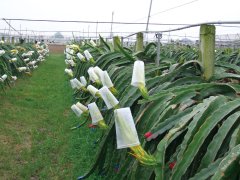
Pitaya (Dragon Fruit) Cultivation Techniques and Pest and Disease Control Methods
A growing number of farmers continue to join the ranks of red dragon fruit cultivation, so it is all the more necessary to pay close attention to red dragon fruit cultivation management and to observe the growth conditions of plants in the field, so as to reduce problems such as pests and diseases. In recent years, red dragon fruit, under factors such as variety improvement, advances in cultivation techniques and the development of production-period regulation technology, has created a wave of cultivation enthusiasm, and this cultivation wave is still spreading today without any sign of stalling, which clearly shows that red dragon fruit remains a fruit industry with development potential in the minds of people.
-
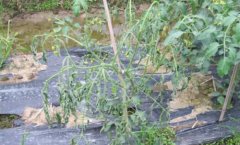
How to prevent and control bacterial wilt in tomatoes? Detailed explanation of the best treatment methods
Tomato bacterial wilt is a very serious disease in tomato cultivation. If it is not managed well, it can easily cause major damage. So how should it be managed? Let's take a look together. Pathogen: This disease is caused by Pseudomonas solanacearum. The bacterium belongs to the non-fluorescent pseudomonad
-

Aconite Pest and Disease Control Methods and Key Technical Points
Aconite Pest and Disease Control Methods
-
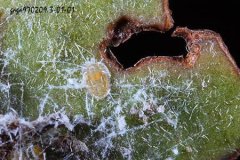
How to control the spiraling whitefly? A complete analysis of whitefly control methods
There are two methods for controlling the spiraling whitefly: one is physical control, and the other is biological control. What are the natural enemies of the spiraling whitefly? Let's take a look. 1. Physical control In the field, at a water flow rate of 12.5 liters per minute, treat the underside of guava leaves once every 2 days,
-
A Detailed Guide to Integrated Pest and Disease Control Methods for Crops
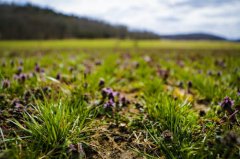
Have you ever heard of using natural pesticides to control plant diseases? Would you like to learn about them? Let's take a look below. Natural pesticides that can control plant diseases can be divided, according to the source of their ingredients, into four categories: plant-based ingredients, mineral-based ingredients, plant-plus-mineral ingredients, and others. First
-
What Pesticide to Use for Whiteflies? A Complete Guide to Control Methods
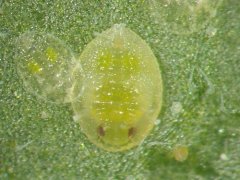
One should understand the characteristics of the pest and each control method and apply the right remedy, supplement it with correct control techniques, observe the safe harvest interval, change cultivation and management practices, and choose pesticides of low toxicity to natural enemies in order to protect or release natural enemies, with the aim of reducing pesticide residues and pollution and ensuring the health of producers and consumers.
条件筛选