-

-

What are the control methods for carnation wilt
Wilt is caused by infection with a bacterium. The top of the diseased plant or a few branches wilt, and individual diseased plants suddenly wilt entirely, the diseased branches dry out and turn grayish green, later becoming yellowish brown to dark brown. After seedlings are infected, the leaves twist to one side and become deformed, and the roots become soft-rotted and brown. Under the microscope
-

A Complete Analysis of Common Disease Prevention and Control Methods for the Shaggy Mane Mushroom
Common Disease Prevention and Control Methods for the Shaggy Mane Mushroom
-
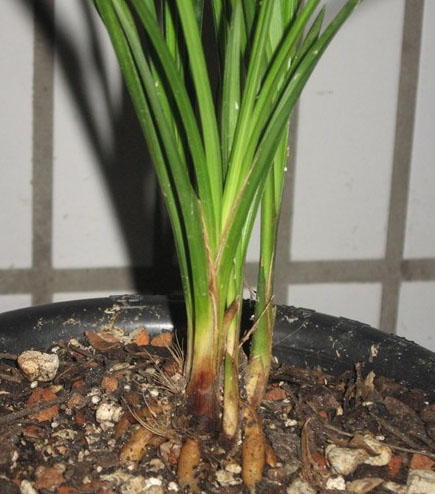
How to prevent water rot in orchids? Sharing practical control methods
Around the start of summer (Lixia) is the peak sprouting period for orchids. The orchid seedlings produced during this time are sturdy and grow fast. However, if you do not pay attention to reasonable watering and controlling the moisture of the potting soil, the seedlings are prone to water rot, which can even cause seedling death. The methods to prevent this disease are as follows: (1) Plant the orchid in a mound shape, that is, pile the soil higher in the middle
-

How to prevent and control Alternaria leaf spot on cockscomb? Practical methods shared
Affected plant: cockscomb (Celosia cristata). Distribution and damage: This disease occurs mainly in Zhejiang, Yunnan and other places, and causes severe damage. Symptoms: On the upper surface of leaves there are round, oval, irregular dark brown spots. Early-stage spots are small round dots with a white center and a brown outer ring.
-

What are the causes and control methods of premature senescence in rice?
Causes and control methods of premature senescence in rice
-
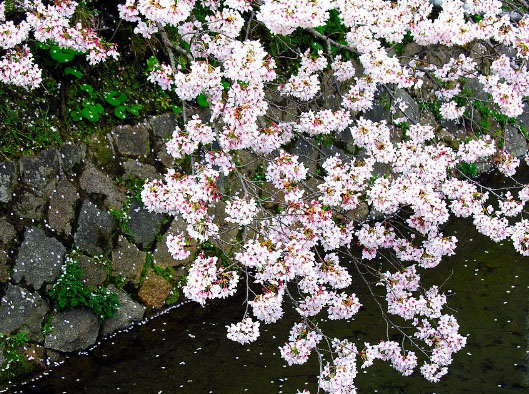
Symptoms and Control Methods of Cherry Blossom Shot Hole Brown Spot Disease
Symptoms and pathological changes: This disease mainly occurs on mature leaves. When the disease develops, it gradually spreads from the lower leaves upward. It begins with needle-tip-sized purple-brown spots appearing on the leaf surface, then the lesions expand into concentric round brown spots 3-5 mm in size, and a light brown abscission layer forms at the edge of the lesions. Later the lesion area falls off
-
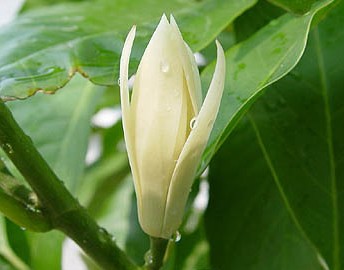
What to Do When White Magnolia Gets Chlorosis? Detailed Prevention and Control Methods
White magnolia prefers acidic soil. Its chlorosis is caused by soil that is too alkaline or irrigation water that is too alkaline. The symptoms are yellowing leaves and blackened, rotting roots. The prevention and control method is to spray the leaf surface with a 0.2% ferrous sulfate aqueous solution. Spray once every 5-7 days, and you can also regularly apply a 0.5% ferrous sulfate aqueous solution
-
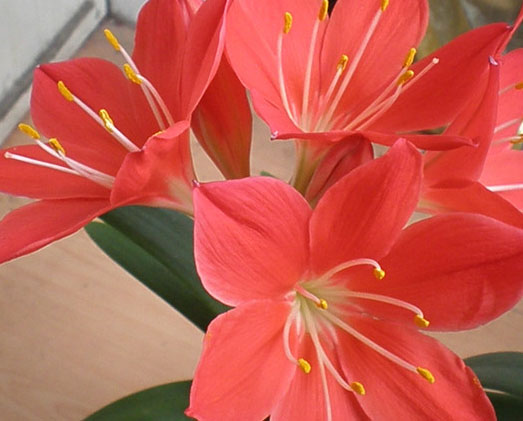
What are the control methods for leaf spot disease in Amaryllis?
If Amaryllis is not properly cared for, leaf spot disease is likely to occur in late autumn and early winter, affecting the leaf tips, leaf surfaces and leaf margins. In the early stage of the disease, small purplish-brown spots appear on the leaves. If not controlled in time, they expand into brown, irregular lesions, then turn mottled and yellow, and finally grayish-white.
-
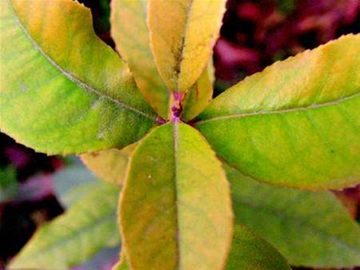
Causes and Control Methods of Gardenia Chlorosis
Symptoms and pathological changes: Chlorosis is an important physiological disease of gardenia. The disease is widely distributed and occurs very commonly in areas north of the Yangtze River. It mainly occurs on the leaves, starting from the young tender leaves at the top; the leaves fade, the mesophyll between the veins turns yellow, then the veins also fade, and the whole leaf turns yellowish-white. Finally,
条件筛选